Log in
EN
FR

Caparison Electric solidbody baritone or 7/8 string guitars

8 products found

Sort results
  • Popularity
  • User ratings
  • Price - low to high
  • Price - high to low
  • Used price, increasing
  • Used price, decreasing
  • Name (from A to Z)
  • Name (from Z to A)
  • Added on

The best Caparison Electric solidbody baritone or 7/8 string guitars reviews

The reviews Audiofanzine members found the most helpful.
  • « My kind of shred guitar »

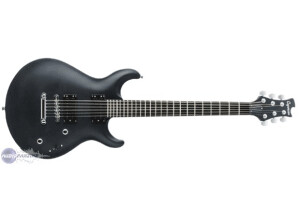
    Caparison is a small guitar maker out of Japan. Most of their guitars are Ibanez style guitars. The creator of the company use to work for Jackson. This is one of their few models that is setup for thicker heavier playing. It is part of their short lived HGS line. HGS stands for heavy gauge strings. I already play with really heavy strings so this guitar is perfect for me out of the box. I cant play to my maximum unless I have a low E string larger than .50, it doesnt matter what the tuning is I just cant play right without anything less. This guitar is setup for thick tone out of the box and this model has some mods. The guitar has a mahogany body with a maple top and a set machogany neck. The neck scale is 24.75. The guitar has 24 jumbo frets on an ebony fretboard free of inlays. This example had a set of EMG 85 pickups swapped in. The controls are simple with a master tone and master volume with a 3 way blade switch. From the factory the guitar comes strung with 12-54 strings. Personally I like the high strings a little lighter but the low strings have perfect tension for me and my style of playing. UTILIZATION Caparisons are known for their great playability. This guitar is no exception. The bridge is moved back a few mm for better intonation at lower tunings. Caparison uses Gotoh hardware all around so everything feels solid. The neck shape is beefy but thin, kind of like the thinner Gibson necks. The heel is nice even though its a set neck it kinda looks like a neck through there are no square edges on the joint, everything is smooth. With no inlays on the fretboard it may be a problem but the side dots on this guitar are super bright so they are impossible to miss. Jumbo frets and ebony feel like you are playing on air, its just you and the strings with this guitar. SOUNDS A guitar like this with tons of natural tone when you add some super pickups to it the tone is crushing. A setup like this is similar to what the guy from Soilwork used at one point. Angelus with EMG 85's. This setup is like thick on thick. The guitar comes from the factory in Drop B tuning. I am not a huge fan of drop tunings so I just cranked it back up to C. This guitar has some super thick grind. Its like a Les Paul but with super a super action. The 85 in the neck is super smooth for leads. It can get kind of muddy for this setup. This guitars natural tone is not really meant for lead playing. The bridge pickup is where the action is on this guitar. With the 85 in the bridge the tone is super thick and heavy. The 81 has a thinner high end grind sound to it. If you are seeking ultimate clarity the 81 might be better but for me the balls of the 85 is what I like. OVERALL OPINION These guitars are pretty hard to find because everyone wants them. Everyone wants them for a good reason. They are perfect for modern metal music. They have the same feel as any guitar but hold their composure through much lower tunings. You do not have to switch to a long scale guitar or 7 string with these because they can handle it. If you can afford one and find one these guitars shouldnt be passed up.

  • « Dellinger 7, worth a look. »

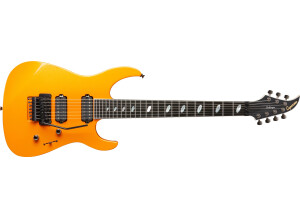
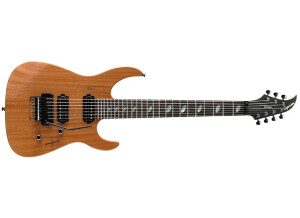
    Japan has brought some great guitars onto the market to be sure, and Caparison is definitely at the forefront of these. If you are lucky enough to find one in your country due to their small amount of distributors and even smaller scale production, you have stumbled upon a keeper, and the Dellinger Seven is no exception. This guitar features a mahogany body and a bolt-on 25 1/2 Inch scale neck with the Caparison Standard "Devil's Tail" Headstock mounted with Gotoh Height Adjustable Pole tuners. Finishes available are a natural finished satin mahogany or the Caparison Pro-Black. The pro-black finish is supposed to enhance low-mid response. Pickups are the Caparison PH7-n and Caparison PH7-b in the neck and bridge position, respectively, with Controls of Master Volume, 5 Way Lever Switch, and Master Tone with Tap Bridge and Neck Pickup Coil Split Switch. The Neck is topped with a rosewood fingerboard with the Caparison Clock Inlays with 24 jumbo fret. The neck carve is a very comfortable "D" shape with a 49mm nut width and an oil finish. Topped off with an Original Floyd Rose, and this guitar is the seven-string shredder's dream. UTILIZATION The one complaint that is heard often with Caparison is a particular distaste to their pickups. The PH series is very low-end heavy and takes the proper amount of dialing to get it to your personal tastes. All frets are easily accessible and the neck is very comfortable. The coil-tapping feature is especially nice, and provides a lot of tonal variety. If you are looking for an alternative to a USA Jackson Soloist 7, this may be a good option for you. The low "B" is nice and chunky, not muddy like quite a few ERGs out there. As usual, Caparison's are built to take a terrible beating and keep going, no worries about it's reliability. SOUNDS All my reviews are done through the same collection of Amplifiers: Mesa Boogie Dual Rectifier Solo Soldano SLO Fender Twin Reverb Peavey XXX Peavey Ultra 120 Rocktron Vendetta Effects are typically not used. Clean tones on this guitar are clear, with a very low-emphasis. The guitar shines through the Soldano and Mesa for meatl riffing and shredding. That being said, this is no Jazz guitar, it's purpose is very straightforward: Heavy music. OVERALL OPINION This is definitely a good option in the high-end seven market. There are quite a few Extended Range Guitars in this price range, and this one deserves a look. Downsides are the Pro-finish tends to get dirty rather quickly, and the Dellinger 7 is a bit of a rarity. These rarely come up for sale, but with Caparison resuming production, I wouldn't be surprised to see a few more hitting the market. Caparison's build quality is phenomenal, fretwork is amazing and these guitars are extremely reliable. My final thought? Expensive, hard-to-find, but a solid axe that shines for dropped tunings. This one deserves a look from any player searching for a new seven string.

  • « Hardtail Dellinger »

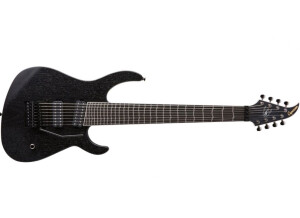
    The Dellinger FX-HGS is the first hard tail model that Caparison has ever released. It's similar to the regular Dellinger, but this model has a special Schaller hard tail bridge with fine tuners to aid in overall tuning stability. There are no fretboard markers on this. Instead, you get a nice, jet black piece of ebony. The body is still a mahogany body, but it has a special pro finish to help accentuate the low end more. The bridge is moved back a bit to aid in intonation when tuning to B. It has luminous side dots that you can see on even the darkest stage, a 5 way blade switch and a single volume knob. UTILIZATION The guitar feels just like all the other Dellingers; it has that medium D shaped neck, familiar Jackson-esque body and the bridge even somewhat resembles a floyd. However, this is a purely fixed bridge. On top of that, the bridge has fine tuners to help aid in tuning stability. The finish on the guitar really helps make this guitar resonate more, and it even comes with the famous PH-R that everyone seems to love. SOUNDS This is really more of a no-nonsense metal guitar. Given that there's no tone knob, it helps really push the input a bit more than if there wouldn't be one. The finish gives it this very resonant low end, and the PH-R gives the guitar a nice grind. Personally, I like swapping the pickups, but some people like the stock ones. It all depends on your personal preference. Either way, the best thing about Caparison guitars is that you never have to worry about buying a "dud." Caparison's QC is very high, and they don't let dead guitars go out like some other manufacturers out there. OVERALL OPINION The Dellinger FX-HGS has since been discontinued in favor for the new fixed bridge model. Itaru apparently preferred using a different bridge to help aid in tuning versatility. The FX can have some issues with really thick string gauges, hence the change. That said, I never had any issues with this. If you're looking for a fixed bridge model Dellinger, I recommend checking this guitar out.