Log in
EN
FR

SeriesGibson Joe Bonamassa

10 products found

Filter
Sort by
Evaluation
  • Reviewed or not
  • Editor’s award
  • Reviewed by Audiofanzine
Availability
  • Available or not
  • Sold new or used
  • Sold new
  • Sold used
Must-have products
  • All products
  • Flagship products
  • Best rated products
  • Hot products
  • Popular products
Price
  • Freeware
€
Clear
Sort by
  • Popularity
  • User ratings
  • Price - low to high
  • Price - high to low
  • Used price, increasing
  • Used price, decreasing
  • Name (from A to Z)
  • Name (from Z to A)
  • Added on
Sort results
  • Popularity
  • User ratings
  • Price - low to high
  • Price - high to low
  • Used price, increasing
  • Used price, decreasing
  • Name (from A to Z)
  • Name (from Z to A)
  • Added on
Filter results 10 results found
Evaluation
Availability
Must-have products
Price
  • Freeware
Show results

The best Gibson Joe Bonamassa reviews

The reviews Audiofanzine members found the most helpful.
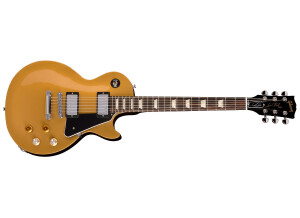
  • « LP Studio with the Bonamassa mods and finish »

    Joe Bonamassa is quite a guitar player. He literally grew up in a guitar shop and now he is jamming with all the legends on a regular basis. He now has a few signature Gibsons from Gibson and Epiphone. This is one of his Gibson signature guitars. This is the one I expect most Bonamassa fans to go for since it has the best combination of quality and value. This is essentially a Les Paul Studio with the Bonnamassa mods. On the base the guitar is pretty typical. The body is mahogany with a maple top. The neck is set in and made out of mahogany. It has a cool color layout that is based off a couple of old 50s LP's. It has a Goldtop with black sides and black. The pickguard and pickup surrounds are black. Up top it has standard Grover tuners. The bridge is a standard Tune-o-matic. The pickups are a set of Burstbuckers with a 2 in the neck and a 3 in the bridge. The controls are normal with a volume and tone for each pickup. Each pickups controls gets its own type of knobs which looks kind of weird when you notice it. UTILIZATION I found it strange that this guitar has less features than the Epiphone version. The Epiphone version came with locking tuners and straplocks from the factory I believe. This model is more like a normal studio model with the different color layout. The neck on this model is the fat 50s profile so it really fills your hand. The lack of locking tuners or bridge is pretty disappointing. Every new Epiphone comes with a locking bridge now so I do not know what the deal is with Gibson. There is no binding on this model since it is based on a studio so you may have to check for sharp fret ends. The fretboard on these models is supposed to be rosewood but if you get a later production run of it the guitar might have baked maple for its fretboard because of Gibsons current wood problems. SOUNDS The Burstbuckers pickups in this guitar show the tone Gibson is going for with their newer guitars. The Clean tones from this guitar a big and rich like you expect from an LP. In the bridge position you get a little more edge in the clean tones from that pickup and the neck position clean tones are fatter and smoother but with a bit less definition. With a bit of gain the pickups are not the most brutal but they have more balls than most Gibson pickups. To me they sound like a modern interpretation of a hot rodded PAF pickup. The more traditional Burstbucker setup is with the 1 and 2 with the 1 in the neck and the 2 in the bridge. Burstbucker pickups get hotter as they go up in the series so this Bonamassa guitar has some of the hottest Gibson pickups they put in guitars nowadays. OVERALL OPINION I do not find this guitar as appealing as the Epiphone version. With the Epiphone version you were getting a very low priced guitar with great hardware and Gibson pickups. The Epiphone version even came with strap locks as well. This Gibson version doesnt come with straplocks and a Gibson having Gibson pickups is nothing special. It also costs twice as much as the Epiphone version which is silly when you compare the two. This guitar is more like a dressed up Studio than the Epiphone version. The Epiphone version you are getting a really good solid guitar for a great price that just doesnt say Gibson on the headstock. This guitar you are getting a dressed up Studio.

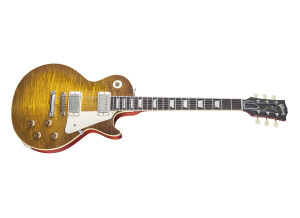
  • « Light aging with tons of playability »

    This is very similar to the normal Les Pauls out there, but the knobs are different to help distinguish between neck/bridge, and there are a few other smaller features such as the wrap around way of stringing vs the normal method. The guitar features a mahogany body with a maple top, mahogany neck with a rosewood fretboard, 22 frets, trapezoid inlays, pickguard, binding, hard tail bridge, two humbuckers, two volumes, two tones and a three way switch. UTILIZATION Joe is a sick player, so it's only natural that he'd have a pretty sick signature model guitar. The guitar was put together fairly nicely. There were no issues with the nut. The best way to tell is to simply play it. If you keep noticing you're going out of tune and it "pings" when you tune, that means the nut is cut improperly. The fretwork was also pretty good on this. I was able to achieve relatively low action without any real issues. The binding work looked nice, and the gold hardware didn't have any tarnish on it. SOUNDS The guitar sounded pretty good stock. I'm not a huge fan of the Gibson pickups that come in this thing, so keep that in mind. The bridge is high output ceramic pickup, sounds thick and gives that standard Les Paul kind of vibe. The neck is a bit too bright for my liking, but it does the job. I like adding a JB/59 combo in these guitars. It's a bit cliché, but the combo really works well. With the JB in the bridge, you get that high output kind of vibe that really pushes the front end. The 59 in the neck is super fat and smooth. It allows for crazy legato while still remaining clear. OVERALL OPINION Joe's a killer guitar player, and this is a killer guitar. It sounds pretty solid, and to be honest, it's not that much different from any other Les Paul out there. There are a few other minor differences, but you can really just buy a normal Les Paul and get his tone. It's much more so in the playing style and amp choice than the actual guitar he's using.