



A tuner, regardless of type, is an essential tool if you play guitar or bass. Like all stringed instruments, guitars and basses need to be tuned regularly.

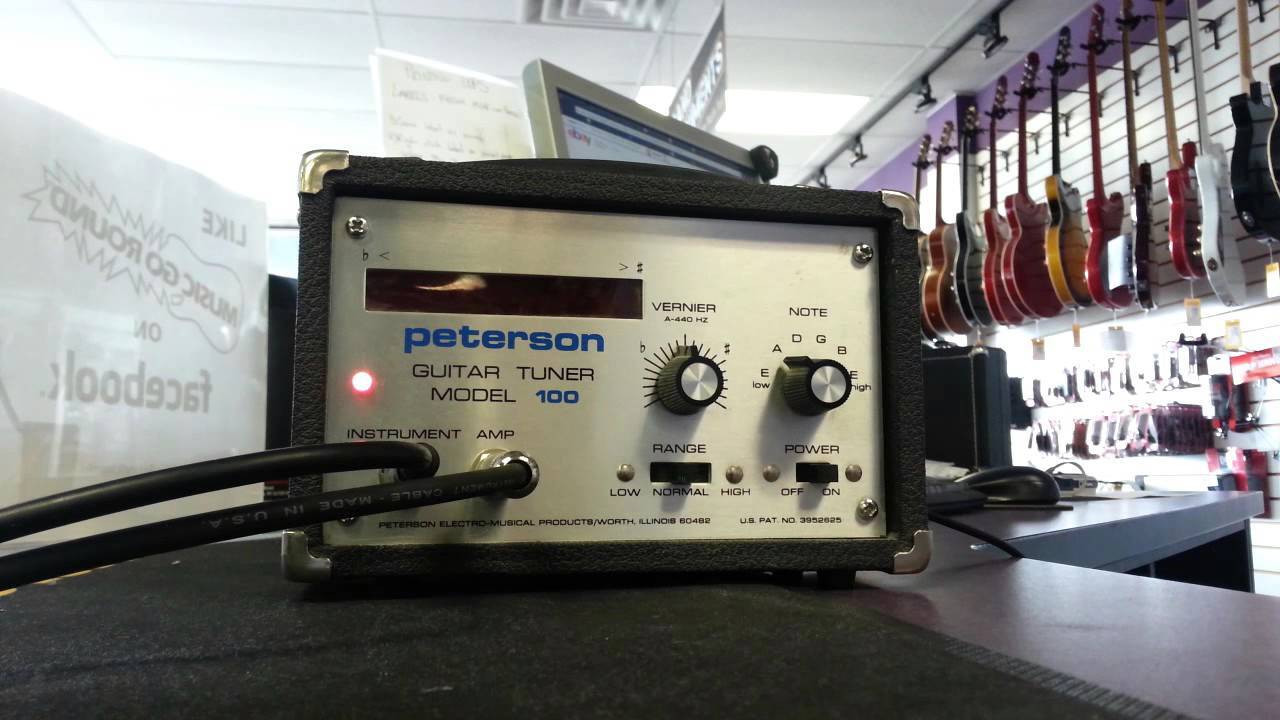
The idea is obviously not new, since the first tuning forks and other tuning flutes date back to the 18th century. The very first tuners were therefore mechanical sound references (the tuning fork produces the note A). To make the tuning process as simple and intuitive as possible, music industry brands started manufacturing electronic tuners in the mid-20th century. These large devices, based on analog circuits, were reserved exclusively for professional studios, as they were very expensive and bulky. One example is the Peterson Model 100, a mechanical stroboscopic tuner widely used by professionals at the time.
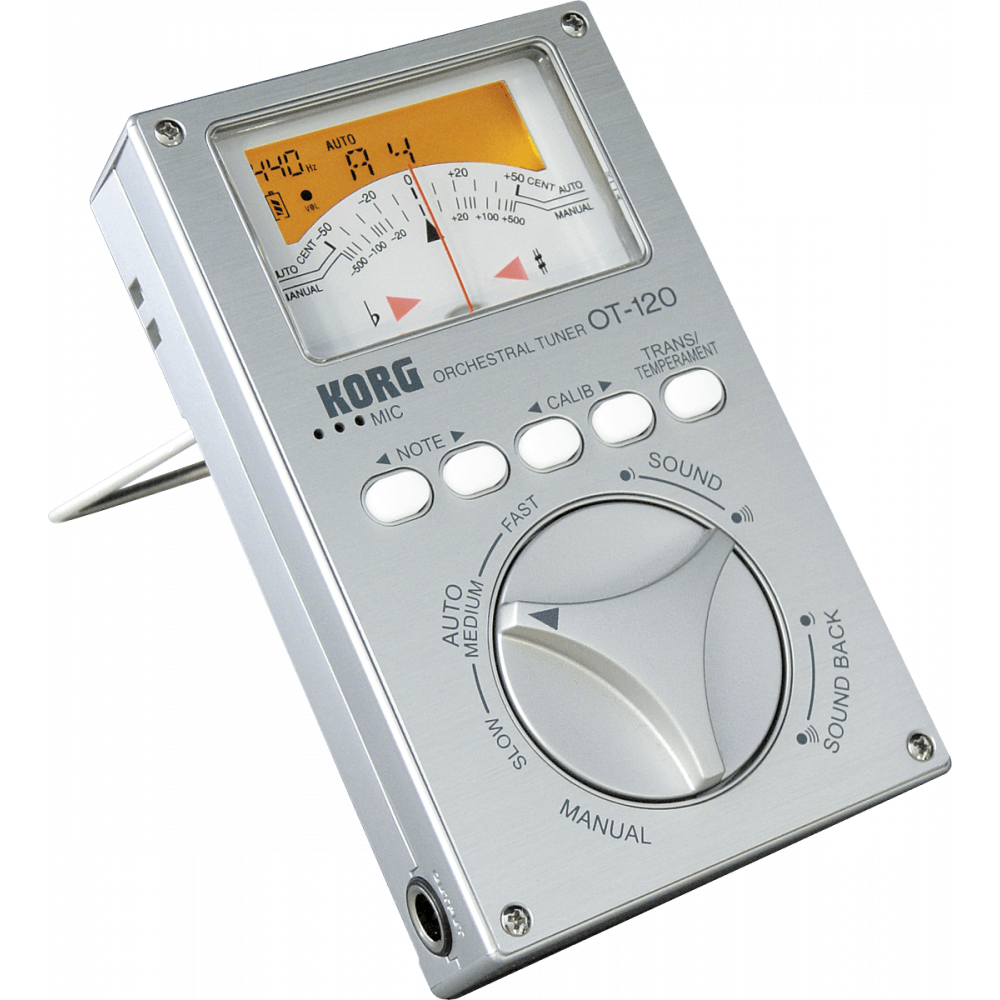
It wasn’t until the late 1970s that Boss began to address the issue and introduced its famous TU-12 in 1983—a chromatic tuner with a needle and LED display, featuring a built-in pickup and a jack input. But we owe the widespread adoption of compact tuners to Korg, which, with its CA-50, made a big splash by offering a compact, accurate, and affordable tuner. The rise of effects pedals and the emergence of pedalboards in the 1990s and 2000s prompted Boss to develop the TU-3, the first compact pedal-style tuner that allowed musicians to tune their instruments silently on stage. In the 2000s, manufacturers such as Korg and Peterson sought to develop ultra-precise strobe and needle tuners, such as Korg’s OT-120 or Peterson’s VS-1 (Virtual Strobe Tuner).
In the 2010s, clip-on tuners revolutionized tuning by their sheer ease of use. They work using a piezoelectric sensor that picks up vibrations from the wood, allowing you to tune your guitar, bass, or violin in a noisy environment without having to plug in a cable. The Intelli brand pioneered this field with its IMT-500, released in the early 2000s. Snark and Korg followed suit with their very popular SN-1, PC-1, and PC-2—which are still popular today. Today, many manufacturers offer their own clip-on tuners with technical innovations such as rechargeable batteries or polyphonic tuning (all strings at once). The pioneer in this field, Peterson, is still in business and offers modern strobe tuners that are highly regarded by many musicians. While no clip-on tuner manufacturer explicitly claims that their product won’t damage nitrocellulose lacquer, the vast majority of these tuners are equipped with soft rubber pads. Once your instrument is tuned, we recommend removing the tuner to avoid scratching the finish.
In this Top list, we’ll recommend five must-have clip-on tuners and five top-of-the-line compact pedal tuners.


