4.0/52 reviews
50
4100 %2
30
20
10
Users reviews
 Hatsubai
Extremely heavy and somewhat iffy quality
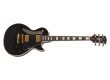
Published on 10/05/11 at 16:47This is part of the real old school Gibson era where things were a bit...heavier. A lot of this has to do with the fact that I'm so used to playing Gibson Les Pauls that are somewhat weight relieved. On top of that, this was one of those pancake bodies, so it had a ton of extra weight. The guitar features a mahogany body with a maple top, mahogany neck with an ebony fretboard, 22 frets, trapezoid inlays, pickguard, binding, hard tail bridge, two humbuckers, two volumes, two tones and a three way switch.
UTILIZATION
Th guitar had its fair share of battle scars due to its age. One thing worth noting is that this guitar had a refret sometime in its life, so the binding nibs were g…Read moreThis is part of the real old school Gibson era where things were a bit...heavier. A lot of this has to do with the fact that I'm so used to playing Gibson Les Pauls that are somewhat weight relieved. On top of that, this was one of those pancake bodies, so it had a ton of extra weight. The guitar features a mahogany body with a maple top, mahogany neck with an ebony fretboard, 22 frets, trapezoid inlays, pickguard, binding, hard tail bridge, two humbuckers, two volumes, two tones and a three way switch.
UTILIZATION
Th guitar had its fair share of battle scars due to its age. One thing worth noting is that this guitar had a refret sometime in its life, so the binding nibs were gone, and the frets were a bit bigger than what originally came with these. The neck profiles vary depending on what year you buy, and the one I played had a fairly thick neck. Some people will dislike this, but it was never a huge deal to me. I seem to be able to adapt from super thin necks like the Wizards to extremely thick Nocaster necks without much of a problem. The flatter radius on this was wonderful, and it allowed me to lower the action lower than a normal Strat would allow. The tuners on this model aren't as bad as the older Standard model, but I'd still replace them with locking tuners.
SOUNDS
The previous owner had thrown out the stock pickups and replaced the pots back in the day. This guitar was killer, but it had aftermarket pickups installed in it. The guitar had a JB and a Jazz installed. The JB in the bridge is awesome for everything from blues to metal. It can really do every genre, it's that versatile. The mahogany body helps keep the JB sounding fat, and the bass on it is perfect enough to where it's not super tight to where it sounds sterile but it's also not super loose to where it sounds flabby. The Jazz in the neck is like a cleaner, more polite 59. It has a bit more treble and sounds a bit more linear, but it delivers some awesome clean and lead tones. I find that it's a bit clearer sounding than the 59. The pots needed to be cleaned, and the switch was starting to go out, but those are easy fixes.
OVERALL OPINION
If you're looking for a solid old school Les Paul Custom, this is something to look into, but I prefer the mid 70s Les Pauls with the maple necks the most. They seem to be the most aggressive sounding and work great for metal -- my main genre. I am also a big fan of refretting these and getting some new pickups installed in them to help really bring them to life, but others may disagree.See less01- Hatsubai
Heavy as sin but solid tone
Published on 09/19/11 at 18:02A lot of people totally dismiss the 70s era Gibsons, and there's a fairly good reason for that. A lot of the Norlin era Gibsons were pretty iffy in terms of quality and tone, especially with the pancake bodies. However, there were some amazing guitars to come out of this era as well. The guitar features a mahogany body with a maple top, a mahogany neck with an ebony fretboard, 22 frets, block inlays, binding, tune-o-matic bridge, two humbuckers, two volumes, two tones and a three way switch.
UTILIZATION
The guitar was worn fairly heavily, and considering its age, it's kinda normal. The paint was startling to just flake off due to all the wear, and there was a huge mark on the b…Read moreA lot of people totally dismiss the 70s era Gibsons, and there's a fairly good reason for that. A lot of the Norlin era Gibsons were pretty iffy in terms of quality and tone, especially with the pancake bodies. However, there were some amazing guitars to come out of this era as well. The guitar features a mahogany body with a maple top, a mahogany neck with an ebony fretboard, 22 frets, block inlays, binding, tune-o-matic bridge, two humbuckers, two volumes, two tones and a three way switch.
UTILIZATION
The guitar was worn fairly heavily, and considering its age, it's kinda normal. The paint was startling to just flake off due to all the wear, and there was a huge mark on the back where someone had to have worn a studded belt or something to wear it like it's worn. The neck's finish was also mostly worn off. The frets on these were small, and it needed a refret as the current ones were pretty much dead. The nut was replaced by a brass nut, and this was obviously done in tribute to Sykes. It delivers a pretty cool tone, but it's kinda "pingy" at times because of that. I generally prefer a bone nut.
SOUNDS
The guitar had some EMGs installed in it. In the neck was an EMG 60 and in the bridge was an EMG 81. The EMG 81 in the bridge was absolutely stunning for high gain. It delivered crushing tones without any issues at all. The biggest problem is that it lacked dynamics and versatility. While it killed small children within a 10 mile radius with the high gain, it couldn't do much besides metal. The EMG 60 was much the same way, but the 60 has an awesome clean tone that you can get out of it. I generally prefer the Alnico version, but the Ceramic version is cool as well. It can be slightly sterile, but it's kinda how the EMGs naturally sound. Mid gain tones sucked on both.
OVERALL OPINION
If you're going to buy one of these classic Gibsons, you really need to go out and play it. They vary so much, especially during this Norlin era. There are some absolute gems to be had, and my favorite Gibsons are mid 70s Gibsons, but so many are dogs that it's very risky to buy sight unseen...or unheard.See less00
Not satisfied with the reviews below?
Our members also liked: