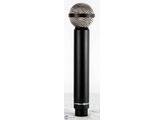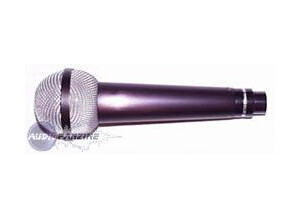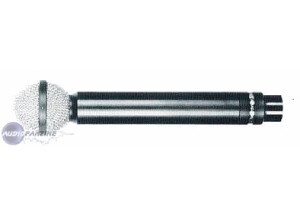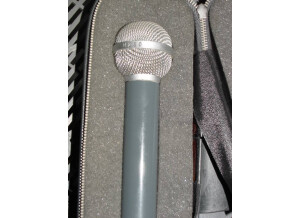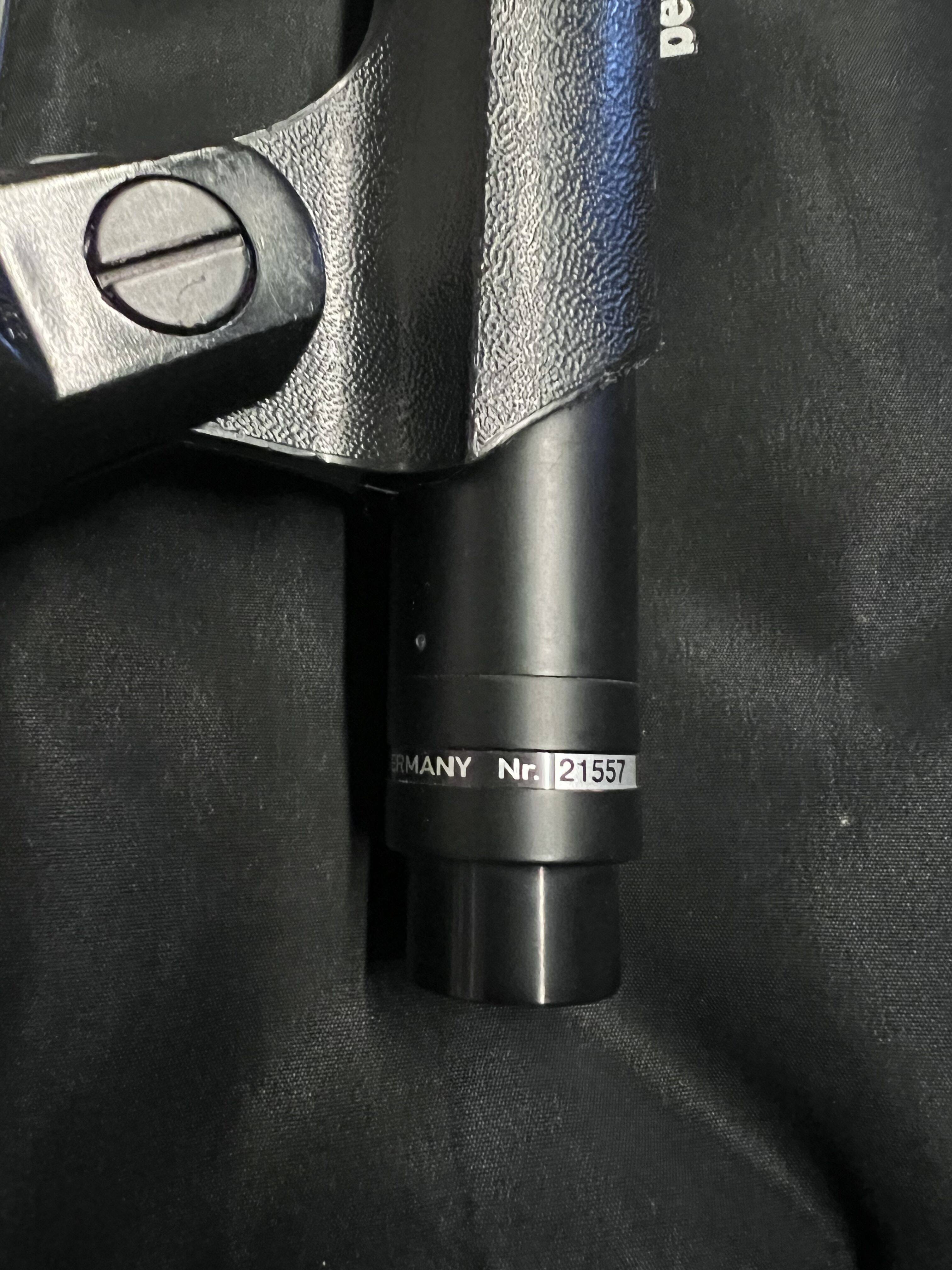
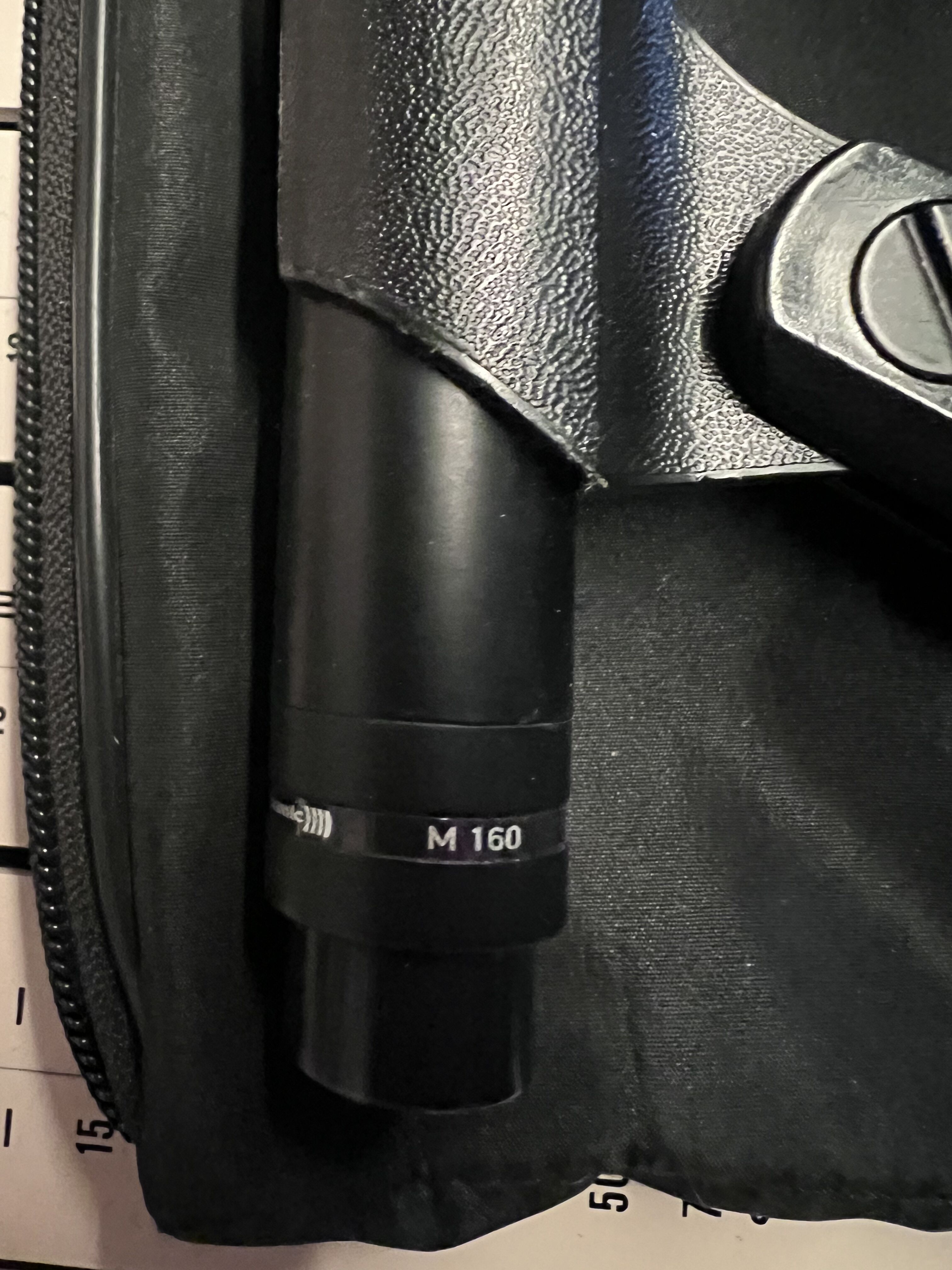
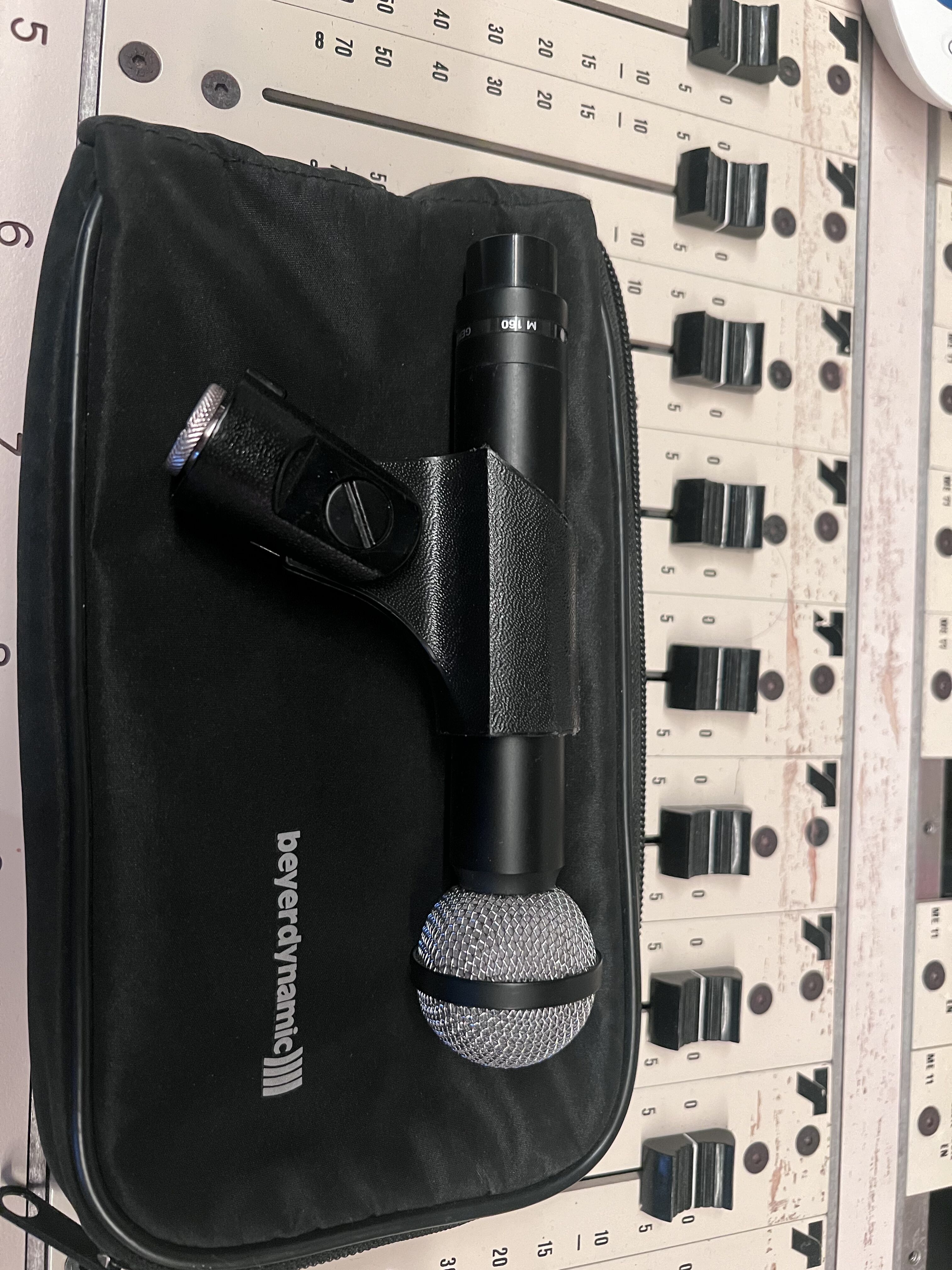
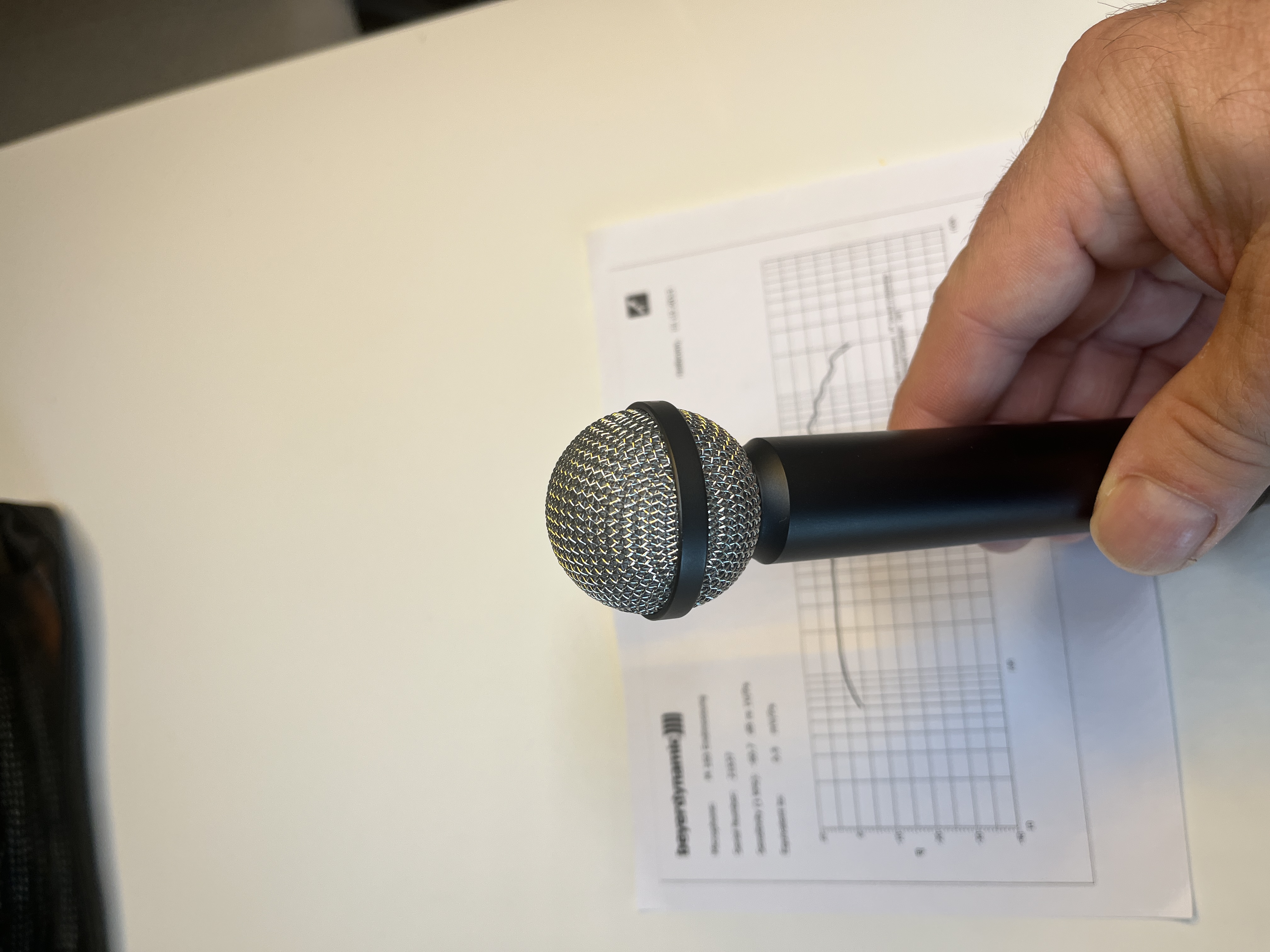
Tech. sheet
- Manufacturer: Beyerdynamic
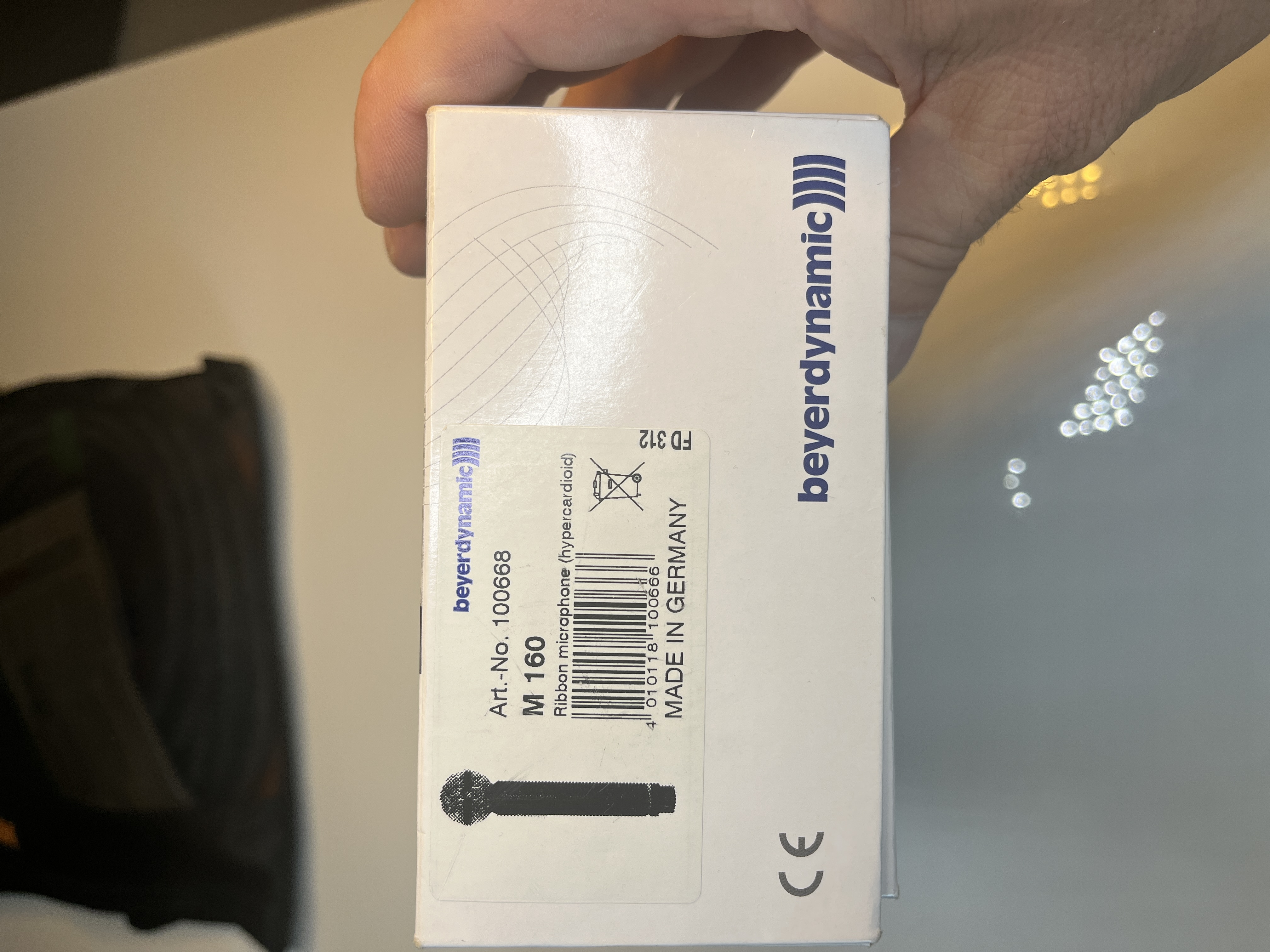
- Model: M 160
- Series: M
- Category: Ribbon Microphones
- Package weight:601 g
- Other names:m160
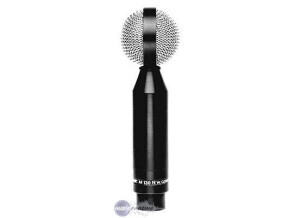
- Type: dual ribbon microphone
- Directivity: hypercardioid
- Frequency response: up to 18 kHz
- Sensitivity: low, requires a preamp with plenty of gain
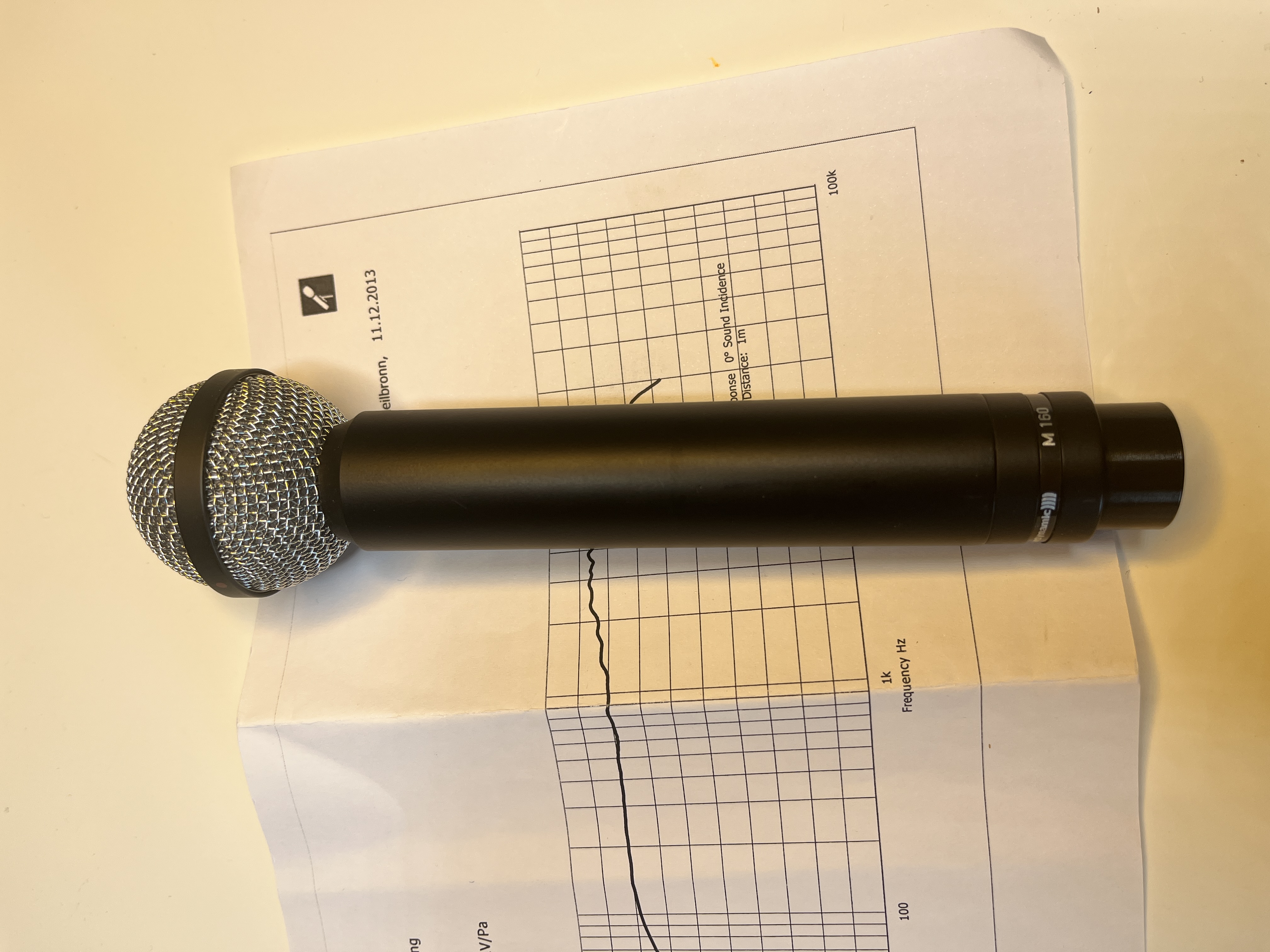
- Design: slim, compact and lightweight format
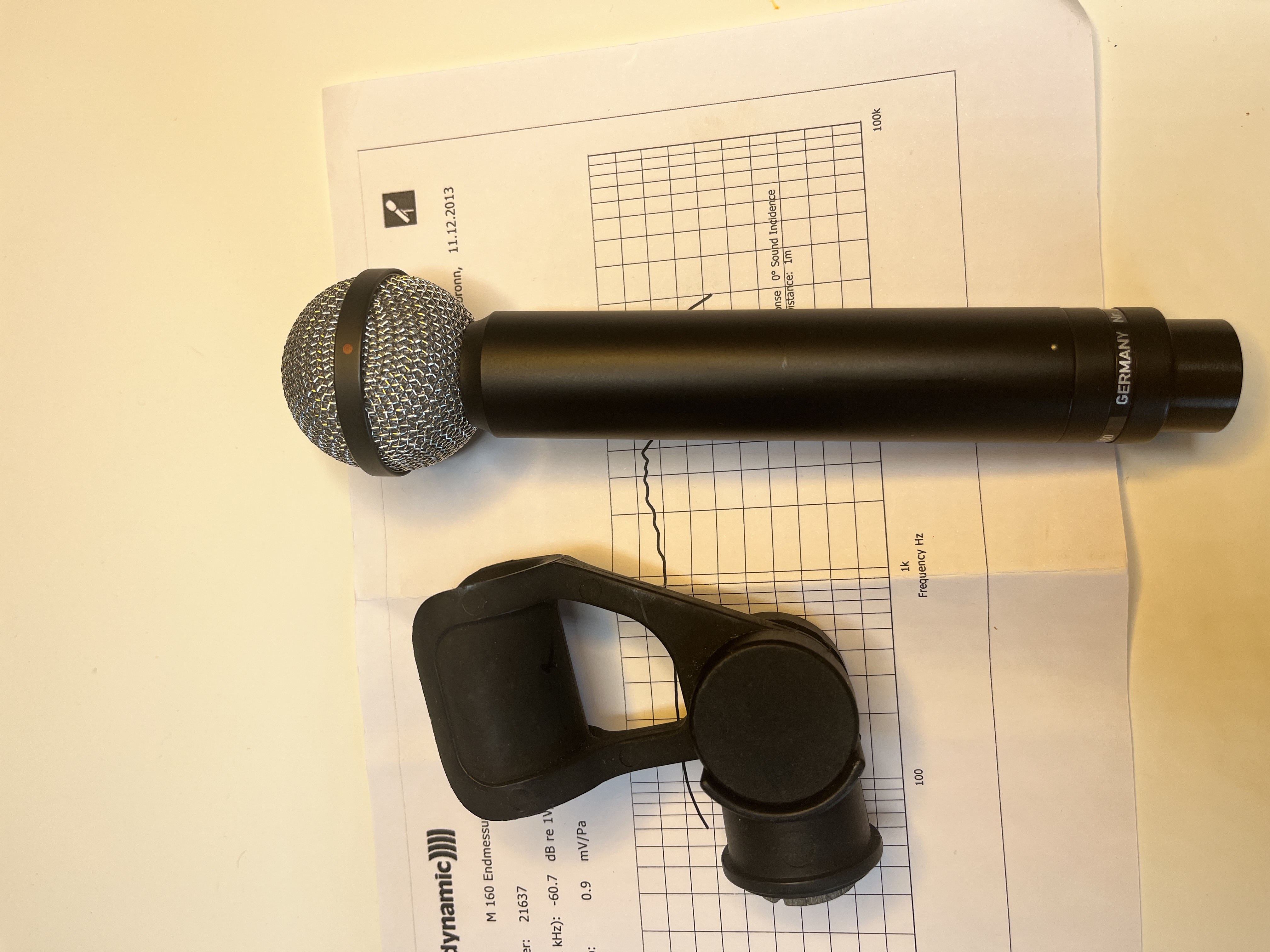
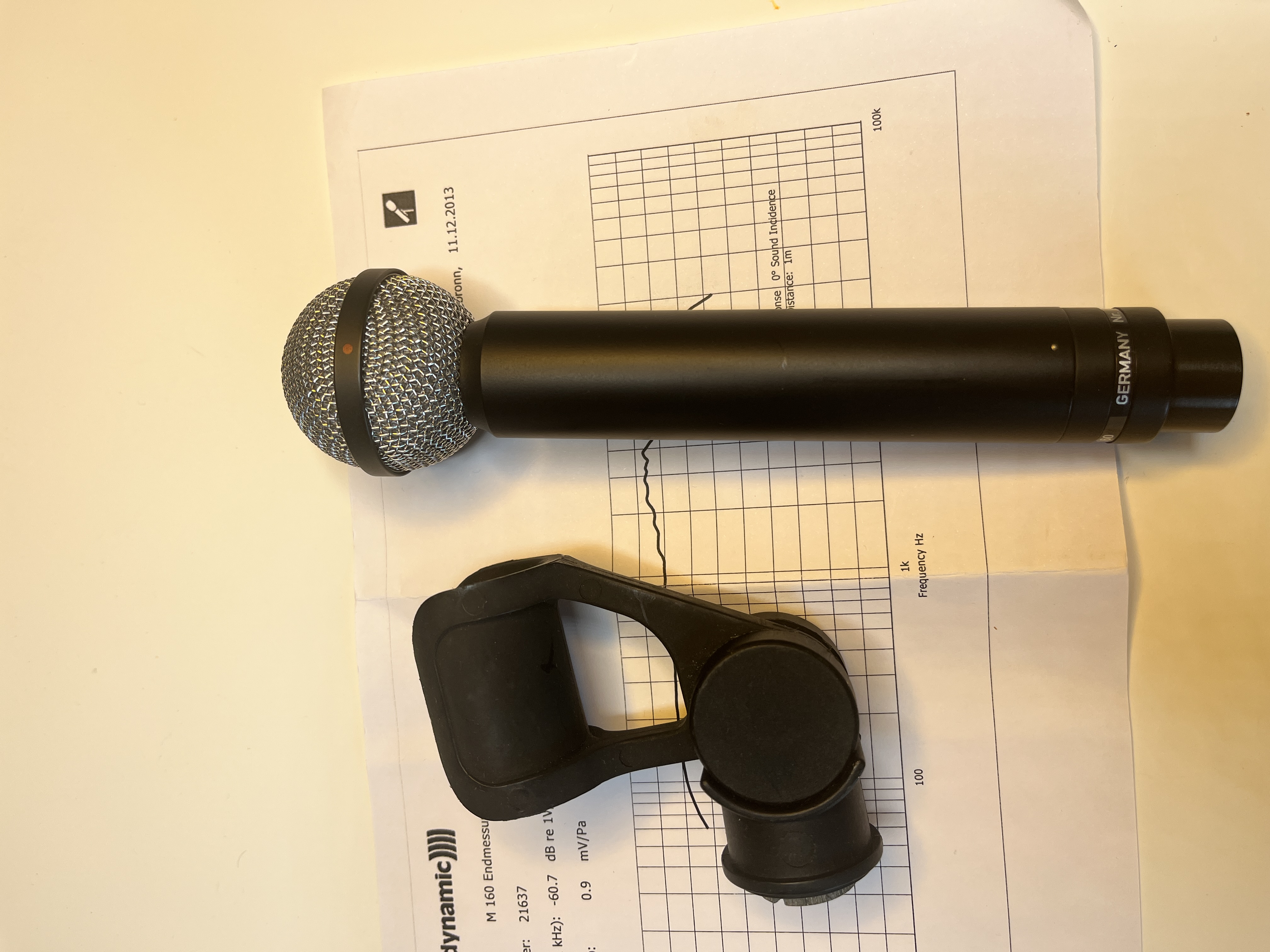
- Accessories: suspension and carrying case supplied
- Hand-assembled in Germany
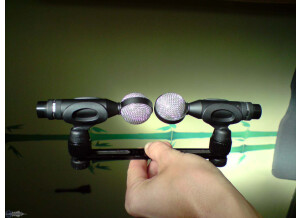
- Can be coupled with the M130 for full ribbon M/S sockets
User reviews
 stompboxjon
Multi Purpose
Published on 10/02/12 at 00:47OVERALL OPINION
The Beyer Dynamic M 160 comes with a small case to carry it in and a...…
OVERALL OPINION
The Beyer Dynamic M 160 comes with a small case to carry it in and a microhpone clip. The M 160 seems to be pretty fragile though, I wouldn’t take my chances with dropping it. I do wish it came with a hard case to protect it more when we have other gear around it when moving it from place to place.
The M 160 only cost us around 500 dollars at the time when we bought it and we compared it to microphones that we have used that cost well over 1000 dollars. Though we never really used it for vocals, we kept it on the instruments side because we felt like that’s what it was best at. It really brought out the true sound of our instruments no matter how punchy they where or how high or low the frequencies where. The Beyer dynamic M 160 opened up and made everything sound huge. Keep this microphone about 6 inches away from your guitar and watch how amazing it sounds. It actually sounded exactly the same as it really did once we recorded it. There was no EQ needed or any extra processing for that matter.
MGR/AlexVBeyerdynamic M 160
Published on 03/15/10 at 16:00Our studio bought this mic about 3 years back when it was looking to expand it's ribbon mic catalog. We purchased it from Sweetwater...…
Our studio bought this mic about 3 years back when it was looking to expand it's ribbon mic catalog. We purchased it from Sweetwater online for right around $600.00.
This mic is supposedly the go to mic on stringed instruments and it is - but I have found it to be incredible on guitar amp's. Much like the Royer 121, it has a very hi max SPL (around 130 spl) and can handle a amp pushed up to 11 (or further). As with any ribbon mic it claims to sounds great on brass instruments as well. While it does sound better than some small diaphragm condenser, it's no match to a 121 or any of the older RCA's.
My only complaint about this mic is the junky clip that is included. Replace it as soon as possible because it will break on you and you never want to drop any mic, but definitely not a ribbon!
The mic is very small and rather fragile. Definitely needs to be kept in a padded case and covered if left on a stand as dust is no good.
Bottom Line? If it's good enough for Eddie Kramer go-to mic on Jimi Hendrix's guitar, it's good enough for me. This mic is much more versatile than it lets on and has been a great addition to our collection. In the realm of great mics, this is rather cheap and very useful - a great value!
This review was originally published on https://www.musicgearreview.com
 Robin Schneider
One of my favorite mics
Published on 01/22/14 at 06:38 (This content has been automatically translated from French)It is used as the basis microphone for instruments, but can work very well on voice.
This is a double ribbon microphone, which gives it a hypercardioid where the majority of tapes are bi-directional.
Mention may be made KU3A RCA and KU4 AEA are cardioid, their prices turn around 4000 euros or more.
It should not be confused with his brother, the M130 it is bidirectional. Together they form an excellent torque M / S.
Note for storage: the M160 has two blue dot on the black ring that closes the gate. These points indicate the ties ribbons. Be careful to store the microphone with a...…
It is used as the basis microphone for instruments, but can work very well on voice.
This is a double ribbon microphone, which gives it a hypercardioid where the majority of tapes are bi-directional.
Mention may be made KU3A RCA and KU4 AEA are cardioid, their prices turn around 4000 euros or more.
It should not be confused with his brother, the M130 it is bidirectional. Together they form an excellent torque M / S.
Note for storage: the M160 has two blue dot on the black ring that closes the gate. These points indicate the ties ribbons. Be careful to store the microphone with a dot in it, which guaranteed a vertical ribbons and therefore durability.
Response curve is quite atypical. It mixes both smooth and natural ribbons with the body and the presence of the typical Beyer brand. The sound is characterized by a small bump which extends from 2.5 kHz to 9 kHz. The proximity effect is very pronounced on the micro as it affects the frequency response well beyond the grave. And 10cm from a source you can expect a boost to 500Hz.
It has excellent transient response without reaching a cruel precision condenser microphone. This is where it comes in large part the feeling of naturalness and realism of this micro despite its frequency irregularities.
Be careful however to manipulation and overall strength. This microphone is fragile. He does not like the 48v and ribbon can relax when exposed to air currents. The anti pop filter is required on voice and even before the guitar amp pushed hard if the speakers generate drafts. When the microphone is not used, it should be put horizontally with its protective cover to ensure its longevity. Attention also donations to slammed doors and the air flow if you leave the mic in place when you open the windows to ventilate. If what I say is true for all bands, it is even more for the M160.
It should also take account of its very low sensitivity can kneel many preamplifiers, even when used in overhead battery. Allow at least 65dB of gain without breath you use them correctly.
OVERALL OPINION
I have a pair of M160 that I use for almost a year now.
I also use AEA R84, a Sontronics Saturn ...
The M160 is for me one of the best quality-price ratio of the market if we take care and we have a beefy preamp behind.
This is a really good microphone that will do a good record of all sources, especially if they have an important role in the arrangement.
It can also perfectly complement other microphones. It is such a great complement to R84 front of a guitar amp.
I use this microphone virtually everywhere. Especially on guitar amps, drum overhead in front of an acoustic guitar. I also wired for sound with a violinist.
He defeated soundly in my opinion many references in these areas, especially the SM57 yet still widely used on the amps.
Its small size makes it very easy to place too. In this overhead is a real treat in shower above the kit.
Directivity makes it an excellent companion home studio, where he will not pick up anything undesirable about the source. It is capable of giving the tape while having a directivity that only dynamic moving coil or static can offer.
Clearly, this is for me a must have for recording studios, especially if they already have good preamps.
mad-dodoDesigned but not Reconu
Published on 01/24/13 at 07:49 (This content has been automatically translated from French)OVERALL OPINION
I had the opportunity to use it on an album Overhead, transplanted and transplanted guitar amp acoustic guitar (doubled with a 451).
This is the first time I used the tape, and certainly not the last. Of transients just sublime overhead in soft, not aggressive (compared to the SM81, E614, NT5).
On the acoustic guitar, he brings a round, mellow warmth, very pleasant to the ear but need to double (here with 451) which provides accuracy and detail. The duo has been compared to a 414 and an SM81 deemed too flat and aggressive (by comparison, and not either). It was also interesting to note that the 160 does not getting married at all well with...…
OVERALL OPINION
I had the opportunity to use it on an album Overhead, transplanted and transplanted guitar amp acoustic guitar (doubled with a 451).
This is the first time I used the tape, and certainly not the last. Of transients just sublime overhead in soft, not aggressive (compared to the SM81, E614, NT5).
On the acoustic guitar, he brings a round, mellow warmth, very pleasant to the ear but need to double (here with 451) which provides accuracy and detail. The duo has been compared to a 414 and an SM81 deemed too flat and aggressive (by comparison, and not either). It was also interesting to note that the 160 does not getting married at all well with the SM81 and 414.
Here is a micro of a very high quality, which earn to be known (in southern home, especially). The ribbon makes a beautiful color that has shaken the ear, when the latter is used in the static, even upscale.
A comparison with Royer, eg
Q&A
Is the Beyerdynamic M160 suitable for weak sources?
Not really: its low signal-to-noise ratio means you need a quiet, powerful preamp. For pianissimo takes, you'd be better off with another microphone.
Can it be used for modern recordings?
Yes! Even though it's typical, the M160 doesn't sound "vintage". It offers a good spectral balance and openness that make it relevant in many modern contexts.
What do the famous red dots on the grille add?
They indicate the longitudinal axis of the ribbons, to be oriented vertically for optimum response. Basically: don't ignore them.
What's the difference between the M160 version 2023 and older models?
The design has been slightly updated, and the packaging modernized. The sound remains broadly the same, although older models often have a pinchier sound, especially if the ribbons are not replaced.
Can it be used alone on guitar jacks?
Yes, but it also goes very well with an SM57 if you want more bite. It gives a warm, mellow sound, but not a "fat" one.
Audio excerpts
-
00:0000:22

-
00:0000:19

-
00:0000:19