



For some time now, with one announcement after another, we’ve been wondering if the rules aren’t changing for good. Between AI, vibe coding, and reverse engineering, who develops what, and who owns the code?

For quite some time, we’ve been seeing a slew of announcements about alternative firmware, open-source instrument code, and the coding scene, with AI coming up in every conversation. On the plug-in front, new developers are popping up and releasing several new ones every month. So, we’re wondering, what if the rules are changing?
Yet, when it comes to hardware devices, some people haven’t waited for programming assistants to see what’s hidden in their instruments’ software. Alternative firmware already has a bit of a history, as the name JJOS—which first appeared in 2006—will remind owners of the MPC1000 and MPC2500. More recently, some manufacturers have chosen to open-source their software themselves: Synthstrom Audible released the code for Deluge in 2023, allowing the community to continue developing it. The advent of AI has brought the topic back to the forefront and given it a whole new dimension. AI offers new tools for understanding a program, modifying it, and experimenting with hardware that we would previously have left alone.
For example, owners of a HX Stomp from Line 6 can now try out the Steven Atkinson Neural Amp Modeler patches on their pedal, thanks to an unofficial firmware modification. It’s still experimental, but the presets run on the unit’s DSP. No need to switch pedals to enjoy them.
As one might expect, this phenomenon extends far beyond electronic instruments and music software. Video game consoles, TVs, smartphones: communities that modify their software didn’t wait for the “vibe coding” trend to get started. The current craze is therefore part of a much broader history of tinkering.
But with AI now in the toolbox, everything is accelerating. In early October, ArtCraft released seven open-source programs that replicate features from Photoshop, Illustrator, and Premiere Pro. Brandon Thomas, the project’s founder, says he developed them using Claude, without copying Adobe’s source code. With PhotoCraft, for example, the idea is that someone accustomed to Photoshop will find familiar layers, shortcuts, and workflows.
Is this enough to give lawyers gray hair? On at least one point, European case law is already quite clear. In 2012, the Court of Justice of the European Union ruled that software functionality is not, in and of itself, protected by copyright. Returning to our example, Adobe cannot therefore claim copyright over the concept of layers. But the code isn’t the only protected element. A graphical user interface can also be protected if its design is sufficiently original. Copyright protects the original code of a software program, but not its functionality. You can therefore write your own code to replicate the behavior of a Photoshop tool.
Let’s return to our instruments. If musicians can modify how they work, what will make one machine preferable to another? Its software, its controls, its build quality, or the care put into the overall design? And who will handle the fixes once the excitement of the initial trials has worn off? Because you might want to keep your synth for twenty years without spending your weekends maintaining its firmware.
M-Vave FM1, Deluge, and Circuit Tracks: Taking a look under the firmware hood
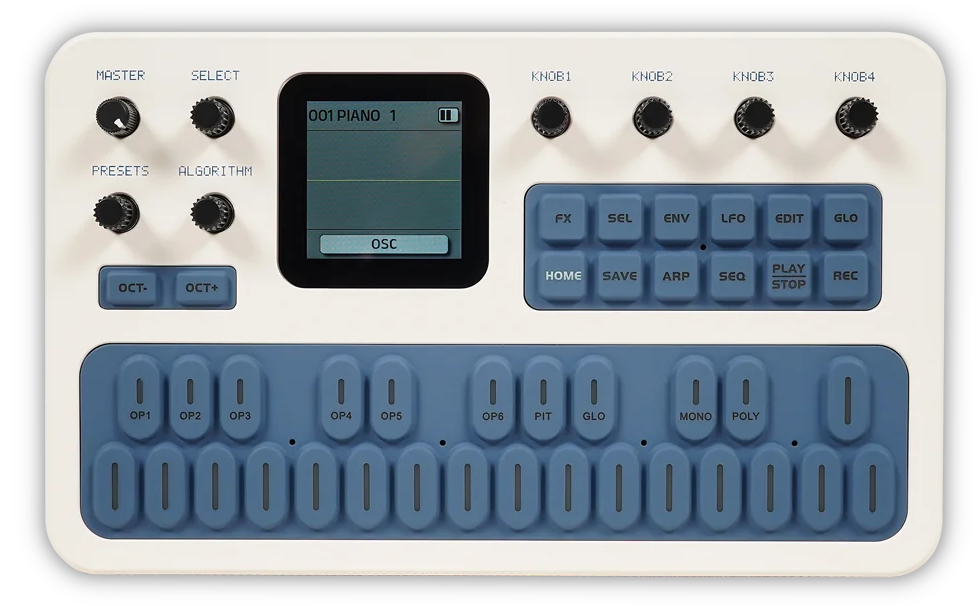
Among these firmware versions, Felucca served as the starting point for several projects. Its author, Leo Kuroshita, explains that he used Claude, from Anthropic, and Codex, from OpenAI, to write code, prepare tests, and draft documentation. He also shared the code that handles the FM1’s keyboard, display, and audio output.
Jan Schulten used it to offer a kit to anyone interested in developing their own instrument. With this kit, the AI asks the questions first. You open the project in Claude Code or Codex, describe the sound you’re looking for, and then specify what the keys and knobs should do, what the screen should display, and even which settings to save. If you want a drum machine, a prompt could be as simple as “I’d like to play drum sounds on the keys and adjust the decay with the first knob.” As you answer, the AI drafts a set of specifications that you can edit. Once these are approved, it prepares a first draft of the firmware, which you can test on a virtual FM1 in your browser. In practice, most FM1 owners will prefer to choose from the community’s firmware options rather than trying to create their own.
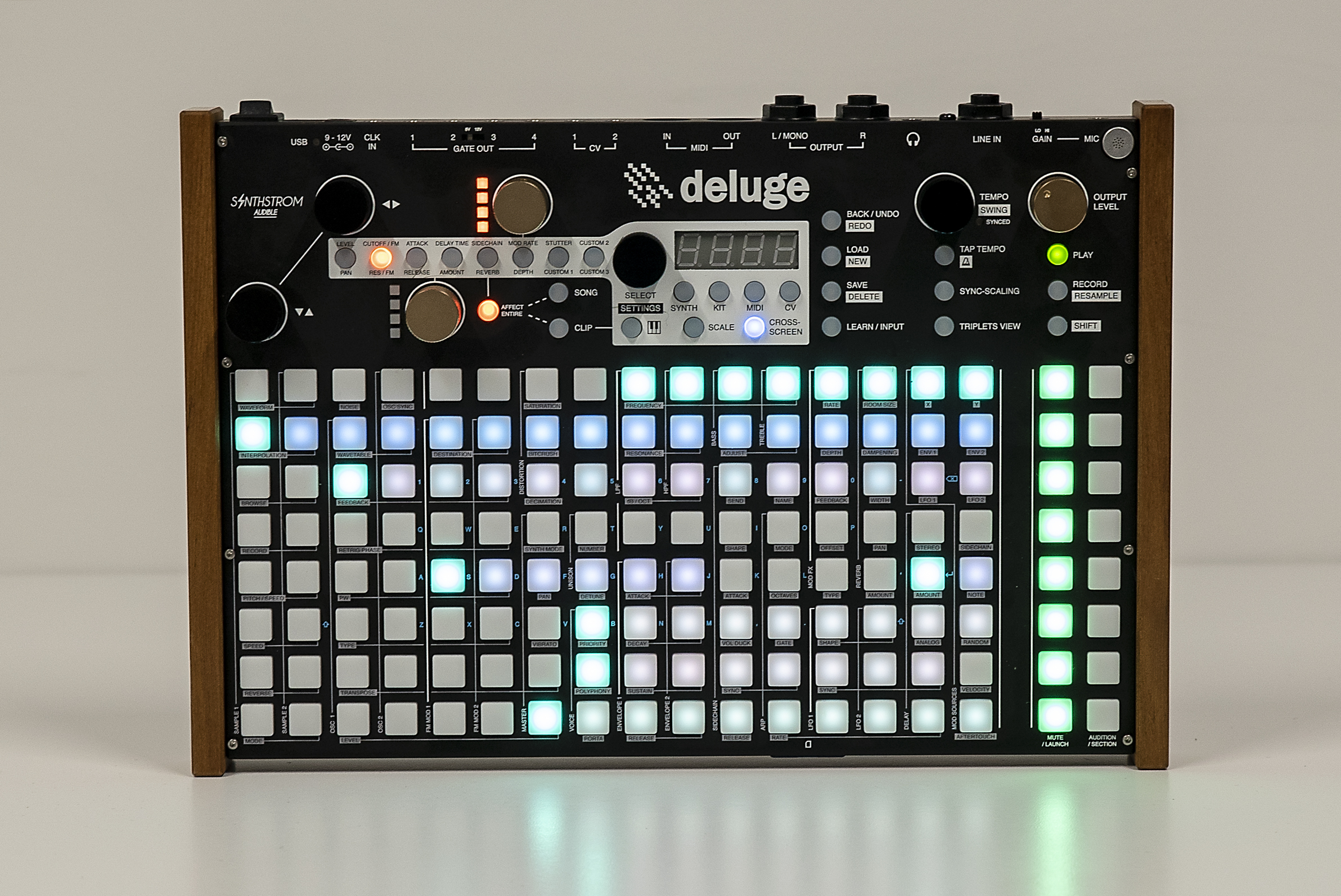
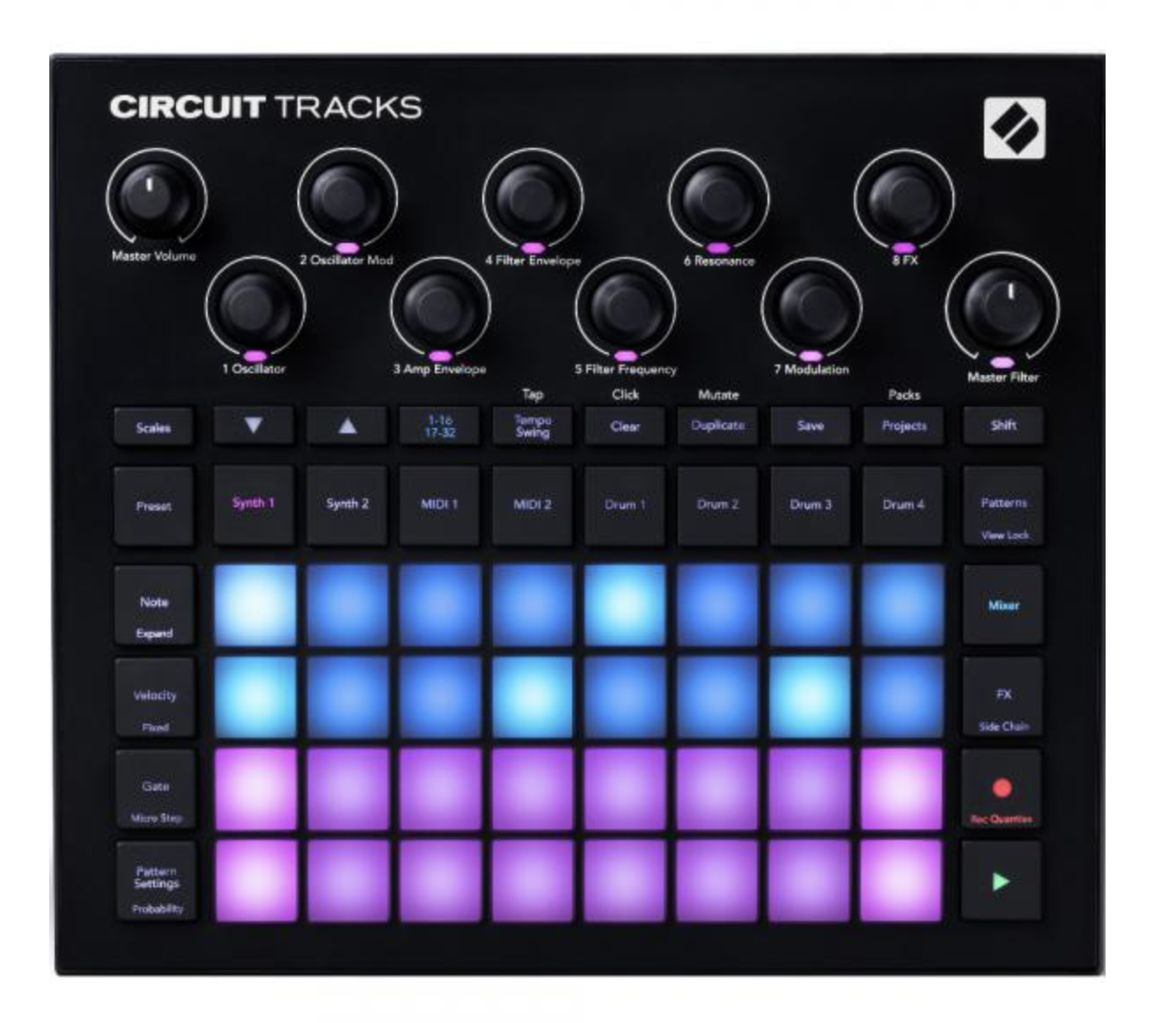
Another example is Novation Circuit Tracks. Novation hasn’t open-sourced its code, but that hasn’t stopped the team behind Circuit-Hacks. Their tool requires you to provide the official firmware, then modifies it directly in the browser before sending it to the device.
To understand how this works, you first need to look at the reverse-engineering process. Tools allow you to examine the program’s instructions and obtain a more readable representation of them. Of course, you don’t have access to the developers’ comments or the names they gave to the various functions. You do have to figure out what controls the sequencer, processes the sound, and responds to the buttons, then verify that you’ve correctly understood how they interact.
The goal isn’t necessarily to reconstruct the entire software. A modification might involve a single effect or sequencer function while leaving the rest intact. The Circuit-Hacks public repository thus collects the tools and documentation for its own modifications, without providing Novation’s proprietary code.
The terms used in the announcements therefore warrant some attention. “Alternative” firmware replaces or modifies the manufacturer’s firmware, but isn’t necessarily open source. JJOS, for example, offers free and paid versions for the Akai MPC1000 and MPC2500 without releasing the source code. And “free” doesn’t mean anyone can modify the program and redistribute their version. These rights depend on the license.
An experienced programmer and a novice will not use these tools in the same way. Some review and correct the code proposed by the AI; others guide it primarily based on their experiments with the instrument. And of course, all of this is done through prompts.
The Circuit-Hacks notes provide a glimpse into these interactions, including a latency issue that led to a humorous troubleshooting session. When changing the synthesis mode or turning the knobs, interruptions were heard. To find the cause, a diagnostic version used the machine’s illuminated buttons: their colors indicated slowdowns and ongoing operations. The Circuit Tracks was thus tasked with identifying the issue causing it to falter. Testing traced the issue to writes to the memory card. Turning certain knobs triggered repeated saves, which disrupted the delay. The planned fix was to postpone these saves until after playback had stopped.
Zoom MS-70CDR and Ableton Move: Other alternative firmware
On older Zoom MultiStomp units, Roman Rusinov’s work allows the MS-70CDR to host NAM amp samples and cabinet simulations created from impulse responses. The small effects pedal thus ventures into territory outside its original design. There are a few trade-offs: the heavier NAM models don’t fit within its DSP’s capacity, and the cabinet responses are adapted to the available resources.
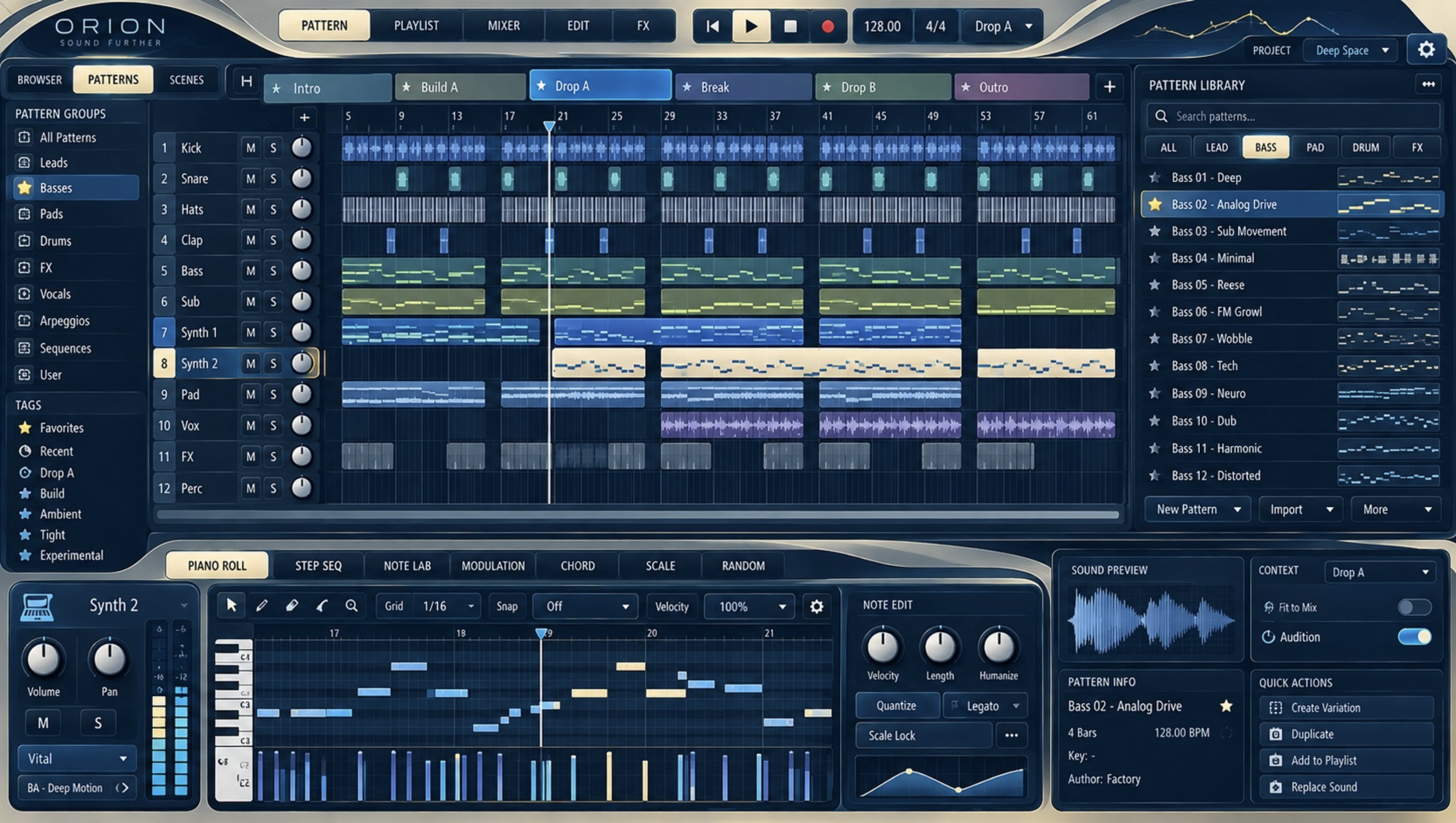
Even discontinued DAWs inspire new ideas: an independent project featured on KVR aims to recreate Orion in an enhanced version for Windows and macOS. This will surely catch the attention of those nostalgic for Synapse Audio’s virtual studio, even though this is a new development, not an update to the original.
What else can you buy from the manufacturer?
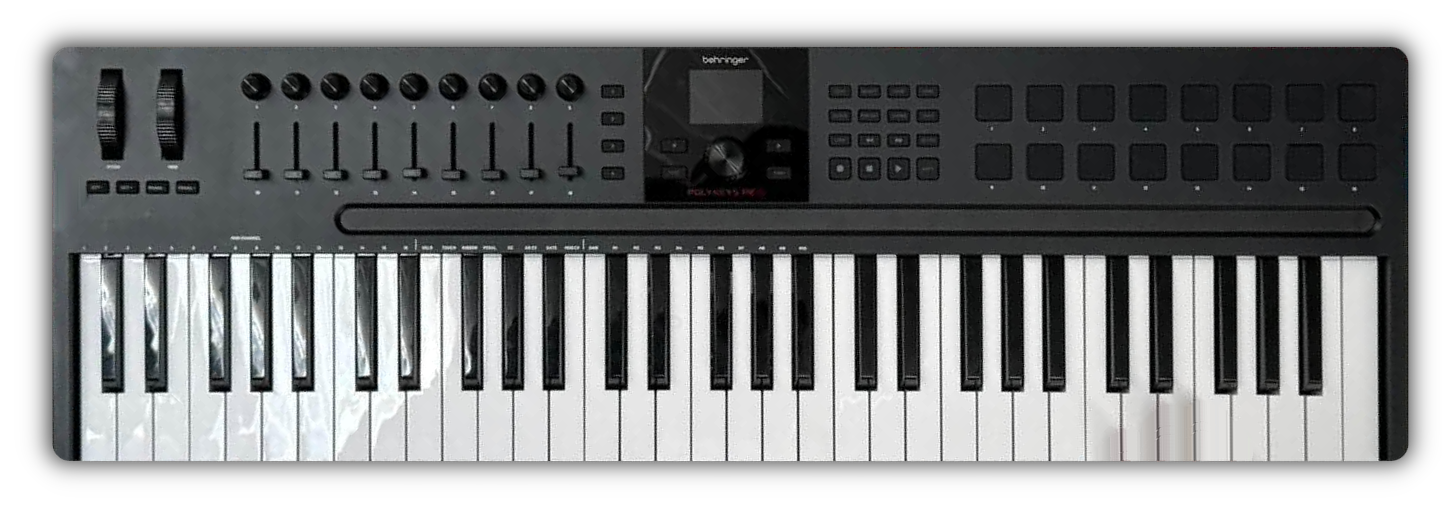
You eventually get to know your instruments’ flaws inside and out. You learn to work around certain limitations, give up on a couple of features, and sometimes hope that an update will fix things.
Then the next model comes along with exactly the feature you’ve been waiting for. That’s enough to make you look askance at a machine that, just the day before, gave you complete satisfaction. So, if today’s tools let you add that feature to the machine you already own, why not take advantage of it?
Before you get started, it’s prudent to check whether you can revert to the original firmware—and, more importantly, how to do so if the machine won’t boot up again. On the Circuit Tracks, for example, Circuit-Hacks leaves the recovery mode intact, which allows you to reinstall the software from Novation. On other machines, it’s best to confirm a fallback option exists before attempting the update. Without a recovery mode, you risk “bricking” the device: you turn on the synth and nothing happens. If you have to go through customer service, that’s a costly extra feature.
As for the warranty, it all depends on the nature of the malfunction. The commercial warranty may exclude damage caused by unofficial firmware. In France, the legal warranty of conformity still applies to a defect present at the time of delivery, but it does not cover a malfunction caused by the modification.
But after seeing the same unit transform from a synth to a groovebox, you end up wondering what exactly you’re buying. An instrument, or a platform for which you’ll later choose the software?
Basically, what gives a machine its added value: its code or its hardware? Even with standard components, designing good hardware requires expertise. The quality of the inputs and outputs, the controls, the assembly, and the ease of repair always matter—especially if you plan to keep the device for a long time. Updating the firmware won’t change the feel of the keyboard or pads, nor will it affect the components’ durability.
But a large part of an instrument’s value also lies in how all these elements work together. Adding a synthesis engine is one thing; making it enjoyable to use with the available controls is another. If every new function requires a key combination or a maneuver that doesn’t fit well with the available controls, you risk spending more time with your nose in the manual than actually playing.
The choice of features therefore matters just as much as their number. You might appreciate a machine because it gets straight to the point, and want to modify it to simplify a workflow rather than to add fifteen oscillators and 128 filters. The manufacturer thus maintains a genuine commitment to design and R&D, in both hardware and software. AI can help write a program, but it doesn’t guarantee well-thought-out ergonomics or an inspiring instrument. These are good reasons to choose a quality machine, even when the one next to it offers double the features.
Manufacturers open the door
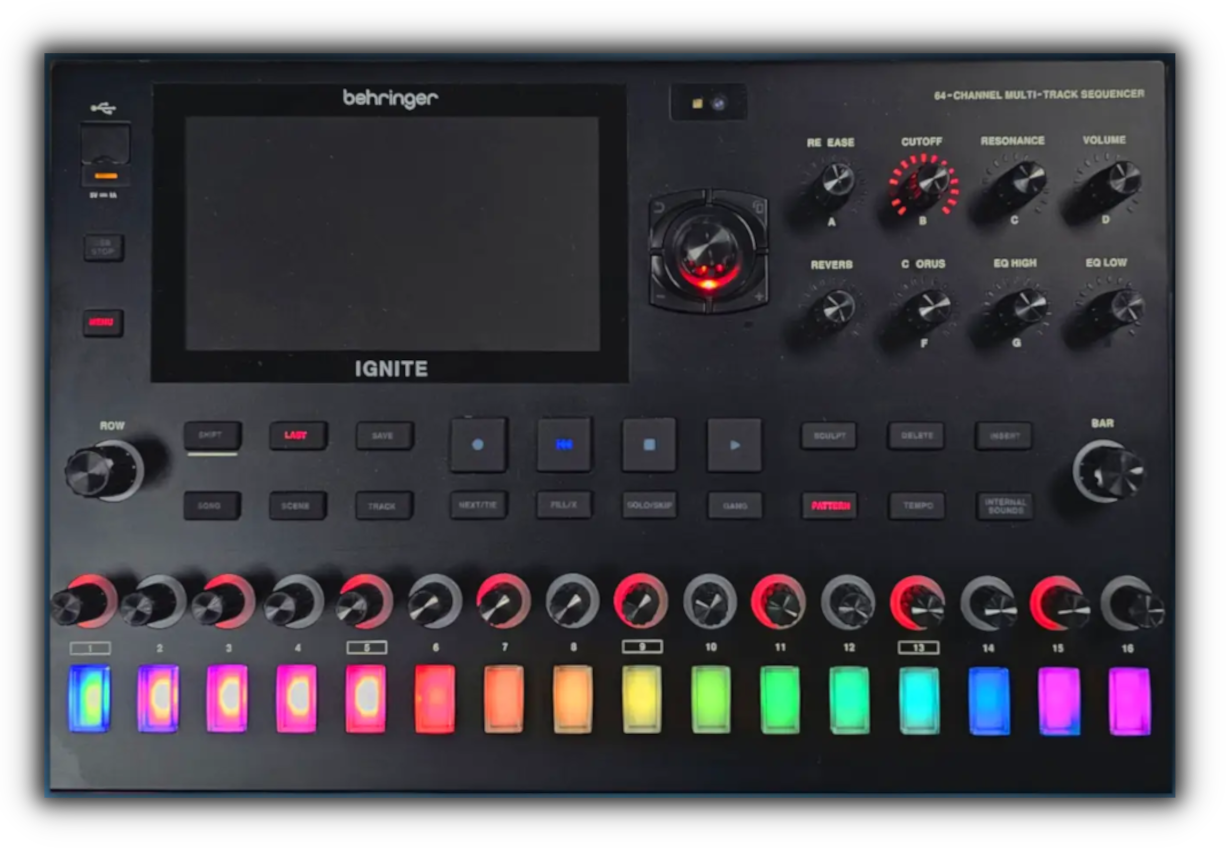
Recently, Polyend announced that it would release the source code for its Trackers. Behringer also promises to make its SP1200X code available and has already released code for its Ignite sequencer. However, some parts are missing; Music Tribe removed the elements it did not have the right to redistribute. You’ll need to find replacements before you can compile the software. For now, the repository offers no ready-to-install firmware.
Last month, Erica Synths released the firmware code for its drum machine LXR-02 drum machine on GitHub, followed six days later by the firmware for the LXR Drum six days later. The company refers to this as “vibe hacking” and invites musicians to modify the code and share their discoveries. Regarding customer service, the company specifies that its support covers only the original firmware. If a modification damages the device’s boot program, the company will bill for the repair.
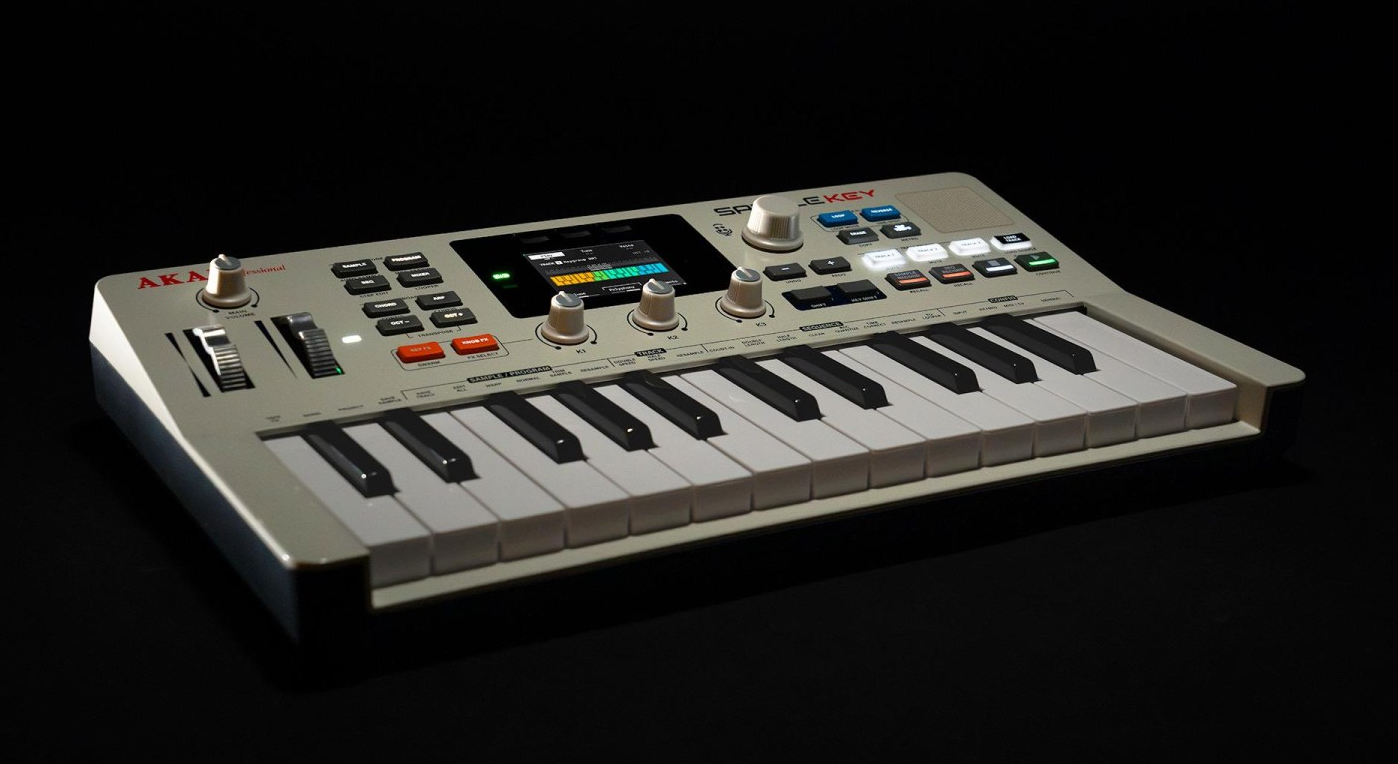
A similar stance was taken by inMusic. Initially, Akai announced its intention to open-source the software for its Sample Key to community modifications, explicitly mentioning AI and vibe coding. Then inMusic published the open-source components of the Linux system embedded in the MPCs on GitHub. Three archives cover the two generations of MPCs: the Force and the MPC Sample.
InMusic notes that it has made very few changes to these components, whose licenses allow for the distribution of the source code. But while we can now take a look under the hood of the machines, the MPC OS code remains proprietary. Ultimately, inMusic plans to unveil 22 products at NAMM 2027 and announces that many will lend themselves to experimentation. It remains to be seen what modifications can be made to each.
We’ll therefore have to judge these initiatives based on what they actually make available: the code, the tools to use it, the documentation, and the ability to install custom modifications. A video promising that the instrument can become just about anything is enticing; being able to actually create something with the provided resources will be more convincing.
It also remains to be seen what the brands will support. Accepting contributions, verifying them, and integrating them into updates takes work. As for the features promised at the time of purchase, we still expect the manufacturer to deliver and maintain them. The community can enhance an instrument; it shouldn’t become its volunteer customer service department.
Who maintains community firmware?
But someone still has to maintain it. When a project relies on a single person, its future also depends on that person’s free time and desire to continue. The code may remain available even if no one fixes the bugs anymore. And taking over someone else’s work requires understanding their choices, locating the necessary tools, and having the hardware to run tests.
Documentation and knowledge sharing are therefore just as important to the project’s lifespan as the features added. AI can help explore an abandoned program, but it doesn’t guarantee that a successor will step up. An accessible repository offers the possibility of resuming work, not a contract for open-ended maintenance.
Staying in the loop
Not all of us want to program a synth, let alone debug its sequencer on a Sunday afternoon. On the other hand, being able to install a useful modification, find a favorite piece of software on a new computer, or keep a machine running longer interests people far beyond the circle of tinkerers.
Before trying this out on your synth, it’s still best to know whether you can revert to the original firmware. If the device bricks, can you get it working again at home, or will you have to go through customer service—with the risk that the warranty won’t cover the repair?
And if everything works, there’s still the question of ongoing support, especially when the project relies on a single person. If that person moves on without sharing their development notes, picking up where they left off can be complicated, even with the source code in hand. And when multiple people modify the software, it can eventually become unstable due to poorly integrated additions.
All of this also raises intellectual property issues. You can rewrite functions using your own code, but to what extent can you replicate the original’s interface? After all, its graphic design may also be protected.
The current enthusiasm will undoubtedly produce its share of short-lived projects. It also hints at instruments whose capabilities depend less on their manufacturer’s commercial schedule. For musicians, that alone would be a good reason to join this movement, without expecting every update to turn their drum machine into a game console.
Thanks to Los Teignos and Red Led