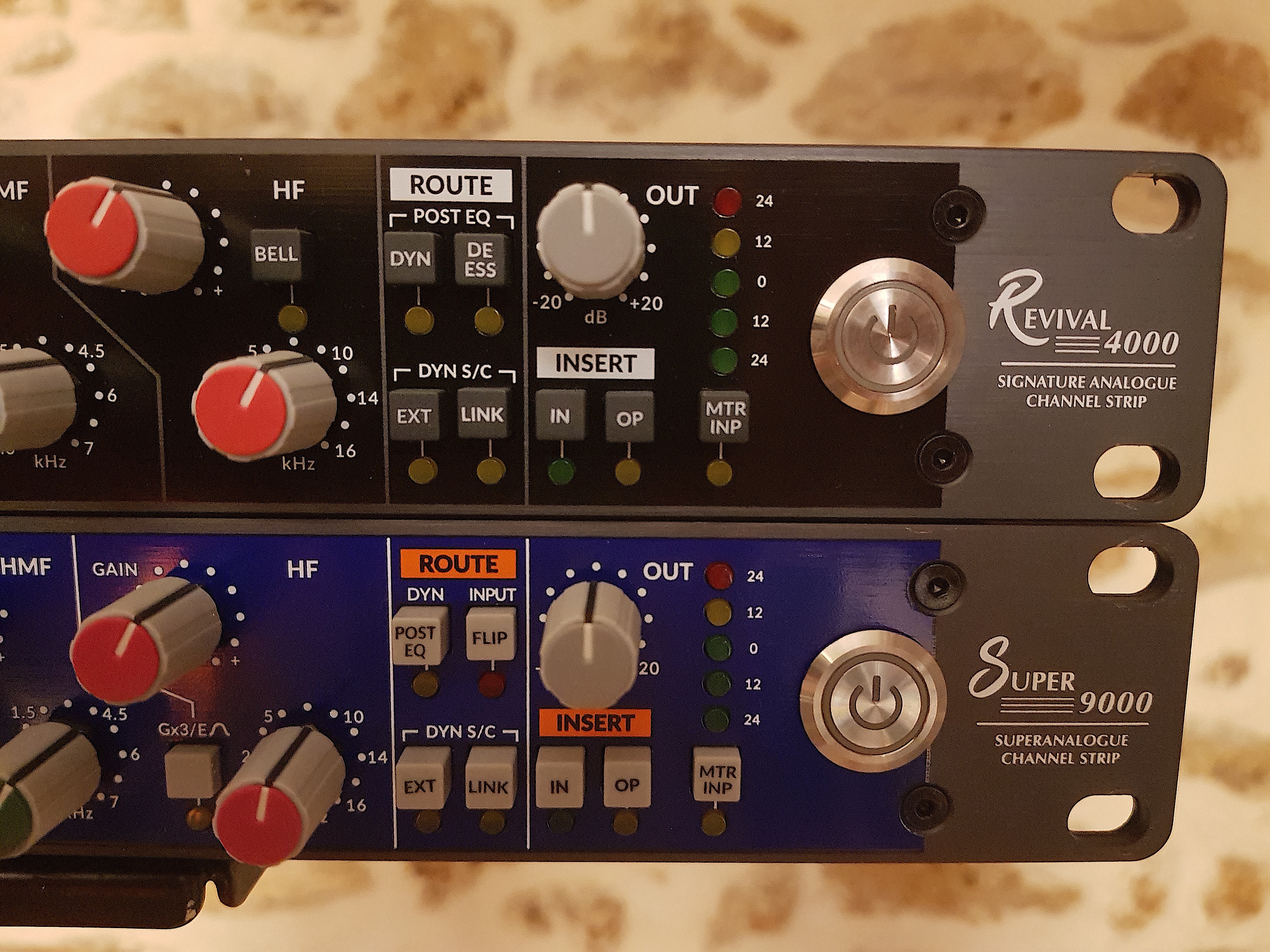
SSL is taking a trip down memory lane! The British brand is bringing back the two legendary SSL 4000 and SSL 9000 consoles in a 1U rack format. Two full channels that are sure to delight fans of the SSL sound. Get your racks ready!

We hardly dared to believe it, but here they are at last—the legendary SSL 4000 and SSL 9000 console channels, now available in rack-mount format! While the name Solid State Logic probably rings a bell, you might not be as familiar with its “old” analog consoles… Well, let’s take a quick look back.
History of the SSL 4000 and 9000 consoles
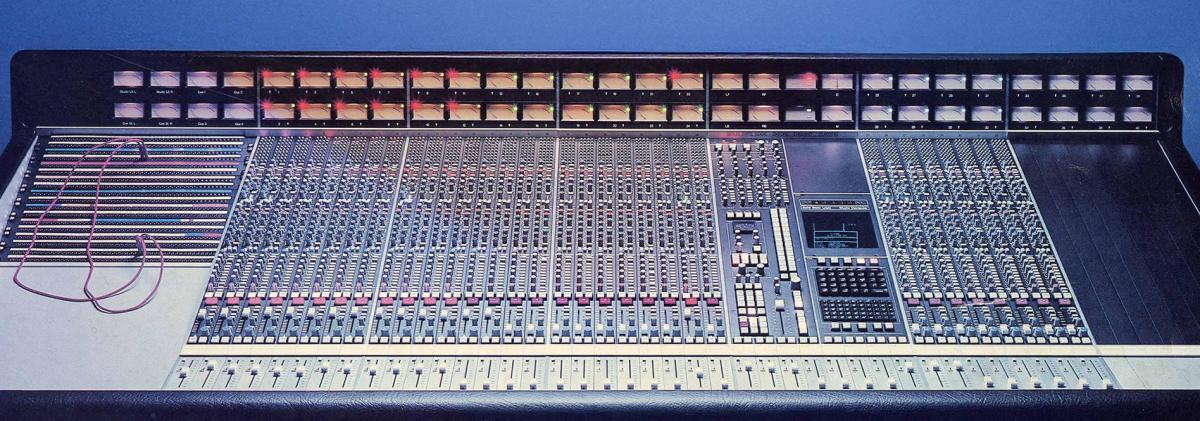
Fun fact: it is partly thanks to this console and its talkback microphone circuit that we owe the (unintentional) discovery of the “gate reverb” effects heard, for example, on Phil Collins’ song “In The Air Tonight.” But that’s a whole other story.
Next came the E series with Total Recall, another major technological innovation that let users recall the console’s settings and parameters (EQ, compression, effect sends, routing, etc.). The late 1980s then saw the emergence of the G and G+ series, which became major staples in recording studios throughout the 1990s and 2000s.
What about the SSL 9000? Developed in the mid-1990s alongside the J Series, it offered even more technical capabilities (more extensive routing, more advanced automation, etc.) and SuperAnalogue technology. With this console, SSL removed the electrolytic capacitors from the audio path, offering greater transparency, wider bandwidth, less distortion, and a better signal-to-noise ratio. A choice for transparency that some criticize and others adore—such is the beauty of personal taste. Finally, in 2000, the K series—the last in the line—was released, offering even greater clarity and support for 5.1 systems.
But let’s get back to the topic at hand.
And now, SSL has reissued the channels from these two legendary consoles, each in a 1U rack format. Since the options are extensive, let’s keep it simple. We’ll follow the audio signal path and examine each stage one by one.
Preamplification and VHD
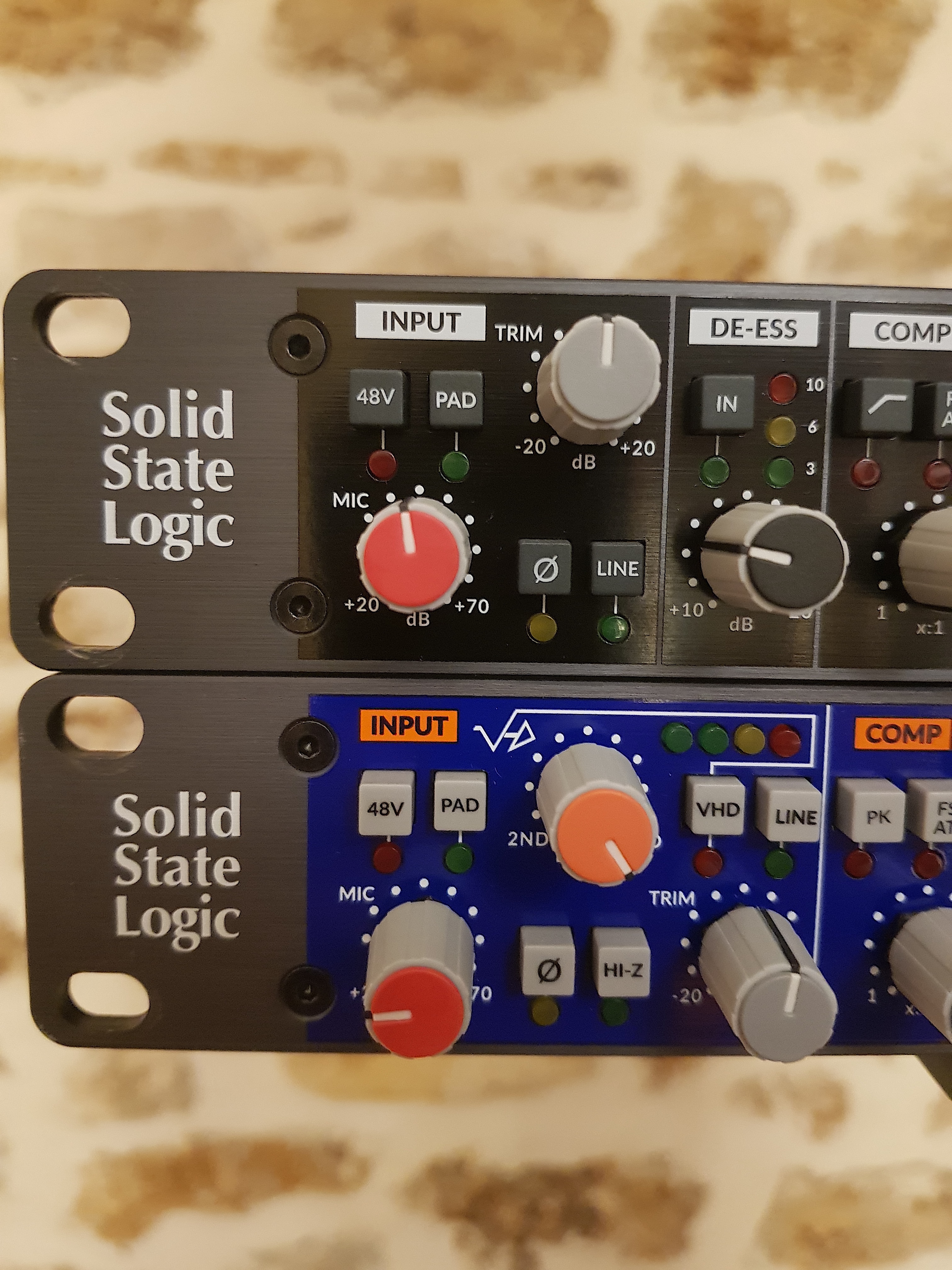
Note: For clarity and to better understand the sonic character of the two SSLs, we tried to apply the same settings to each channel throughout this review.
At the same gain level, the drum machine sounds are reproduced perfectly. And there’s no doubt: each channel has its own sonic signature. The Revival 4000 highlights beautiful mids for a compact, concise, and extremely musical sound.
Meanwhile, the Super 9000 has a more direct, wider sound. The signal gains a broader, more expansive low- and high-frequency range, with impressive dynamics. Both are excellent and steer the recording in two closely related sonic directions: distinct, certainly, but very much part of the same family.
Let’s crank up the input while balancing the levels with the output gain: the channels respond perfectly, and the texture becomes immediately apparent. Now let’s find the breaking point by pushing the preamp to the max: it distorts, it crackles. It’s more aggressive. The two tonal characteristics become more distinct: the Revival 4000 gets nice and “dirty” and as grainy as you’d want. The Super 9000 is more restrained, with drier distortion that’s slightly less musical.
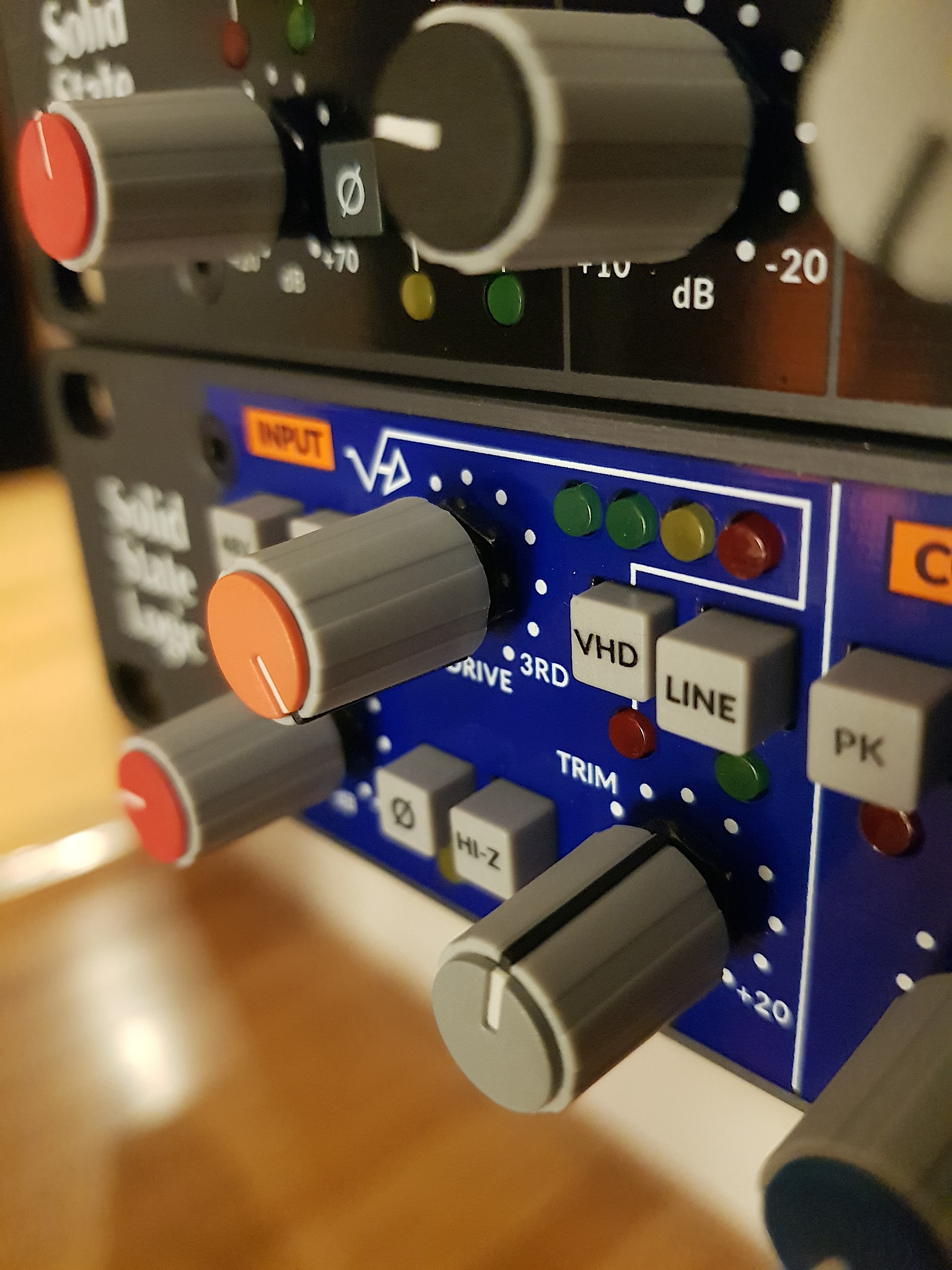
This VHD is “unfortunately " active only on the microphone preamp stage, not on the line input… Darn! Is it impossible to warm up the tracks in your DAW by running them through it again? Well, yes it is! Since the SSL routing is so comprehensive, all you have to do is flip the “input flip” switch and the input pad. The line input switches to the mic preamp stage, and the pad adjusts the gain to the desired level. Phew—now you can enjoy all the benefits of VHD without having to rewire a thing!
The De-ess stage
The Revival 4000 also has its own strengths. In particular, a de-esser module, located just after the preamp. This module comes from the B series and is fantastic for quickly removing sibilance and high frequencies (its fixed frequency is set to 7 kHz with a 10:1 ratio). In the next clip, I’ve deliberately exaggerated the setting so you can clearly hear the module in action. It can, of course, be set to be more transparent and will be a superb tool for softening treble that’s a bit too harsh—from cymbals, for example. Thanks to the channel strip’s routing, you can place it either before or after the EQ. It’s great for boosting the highs with the EQ and then smoothing out or adjusting frequencies that are too aggressive.
The Dynamics stage
The Compressor
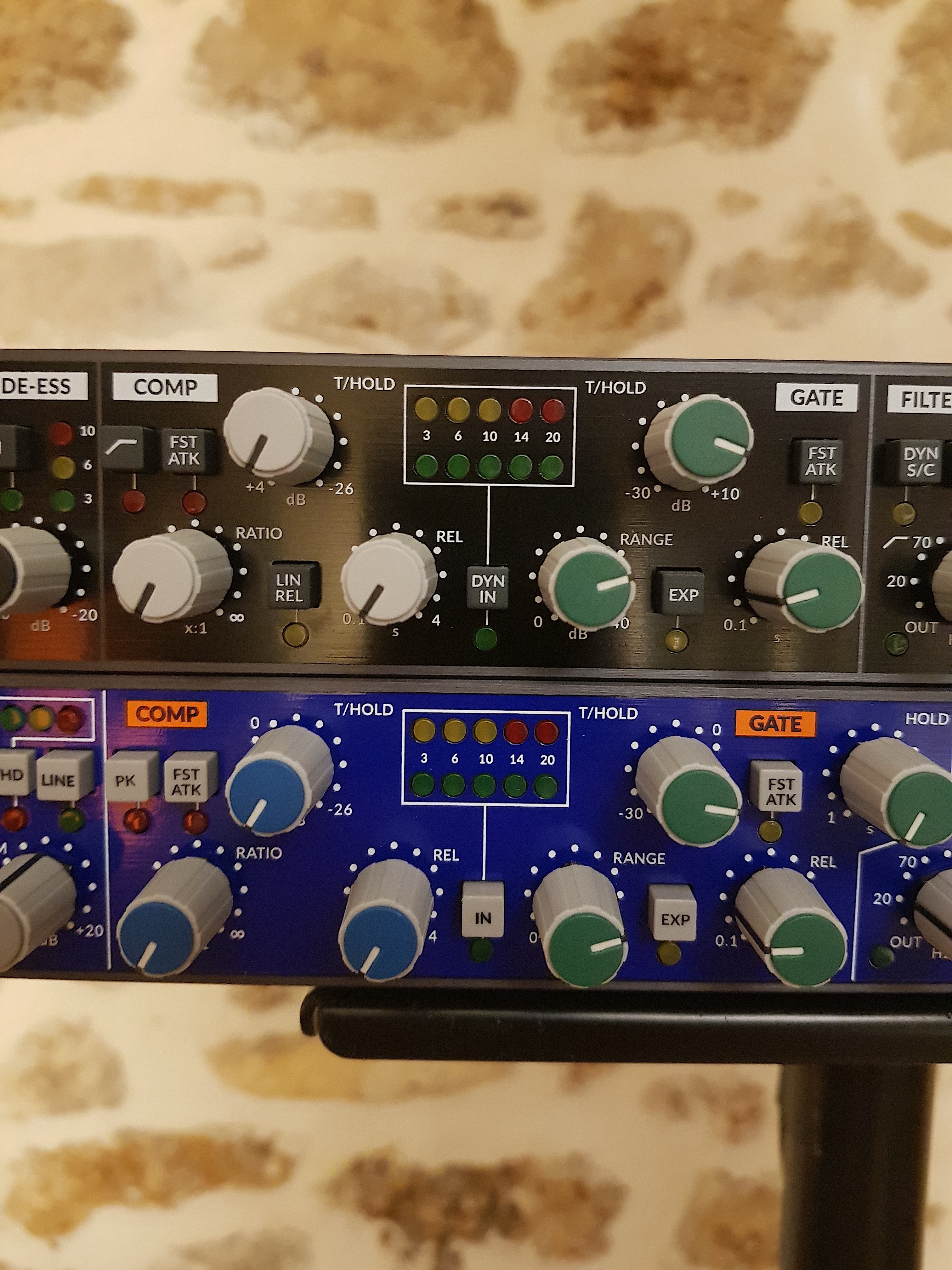
Speaking of which, let’s try some heavy compression on a drum ambient track. The result meets our expectations. Nice and gritty, with a solid pumping effect, it’s perfect for shaping the take or for boosting it with parallel compression.
And since we’re on the topic of compression, note that both SSL units feature not only a sidechain input but also a “stereo link” to pair the channels together and maintain a consistent stereo image.
The Gate/Expander
Let’s stay with dynamics and explore the gate/expander. Here, both channels offer identical options except for a “Hold” knob on the Super 9000. What a joy to rediscover the same responsiveness as that of the old SSL consoles! A true rediscovery! This gate/expander isn’t just for cleaning up your tracks—it also sharpens transients with surgical precision and offers great sonic versatility. From stunningly natural to very dry, with plenty of attack. This makes it an ultra-high-performance “transient shaper” that few (if any?) plugins can replicate. You’ll instantly recognize the punchy, razor-sharp sound of rock (and rap!) bands from the ’90s and 2000s.
In the audio clips, I’ve intentionally pushed the settings a bit. But since we’re taking a trip down memory lane, let’s go for a truly retro sound! The Gate lets you apply a good dose of effect to the kick and snare with more control, without muddying or distorting the other elements (listen to the impact on the hi-hat). Sure, it’s not Bonham (John, to his friends), but it works perfectly!
The Filters stage
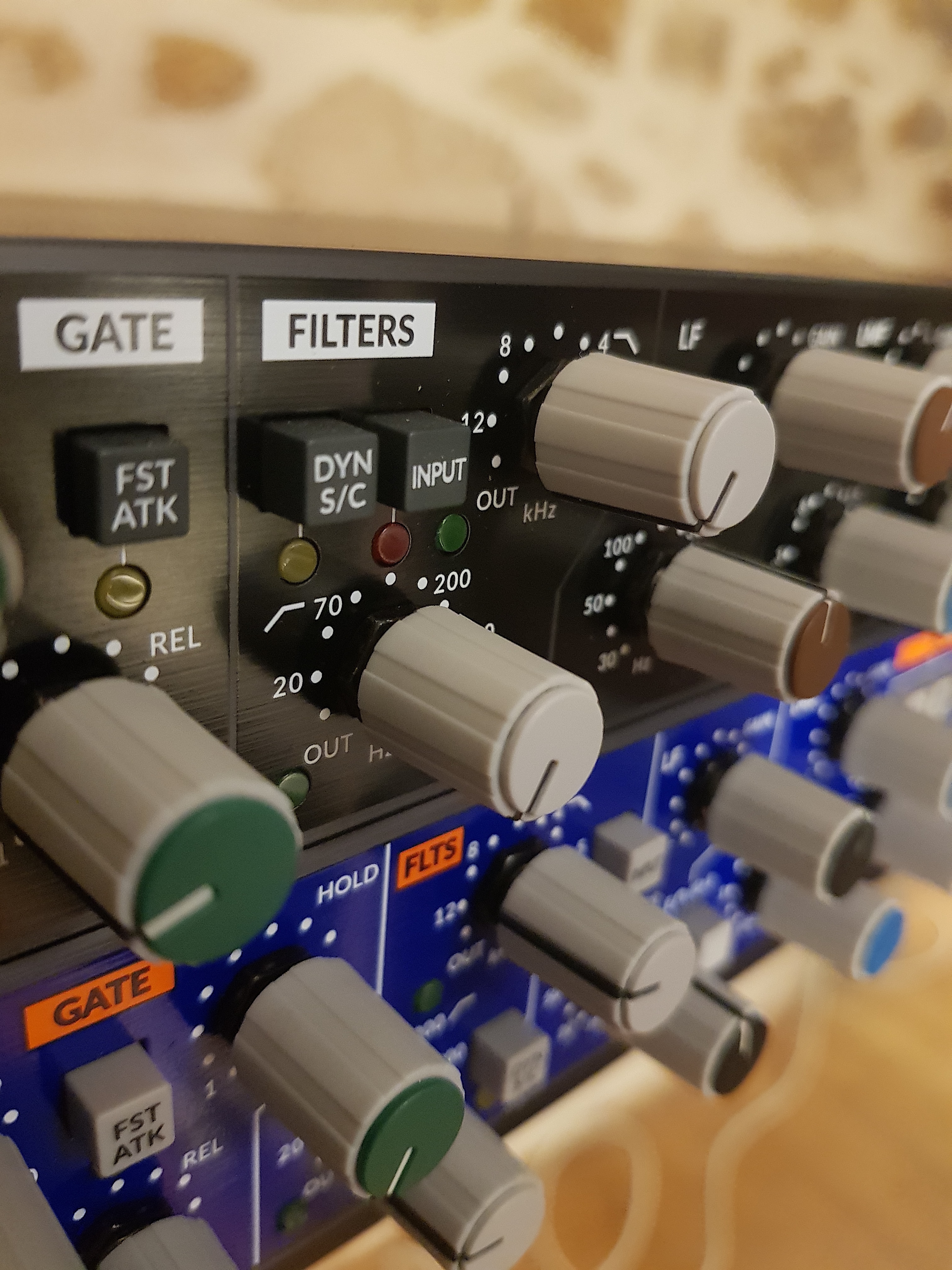
And as before, the Super 9000 is more neutral and clinical, while the Revival 4000’s responsiveness is more pronounced—and, to my taste, even slightly more musical.
The Equalizer stage
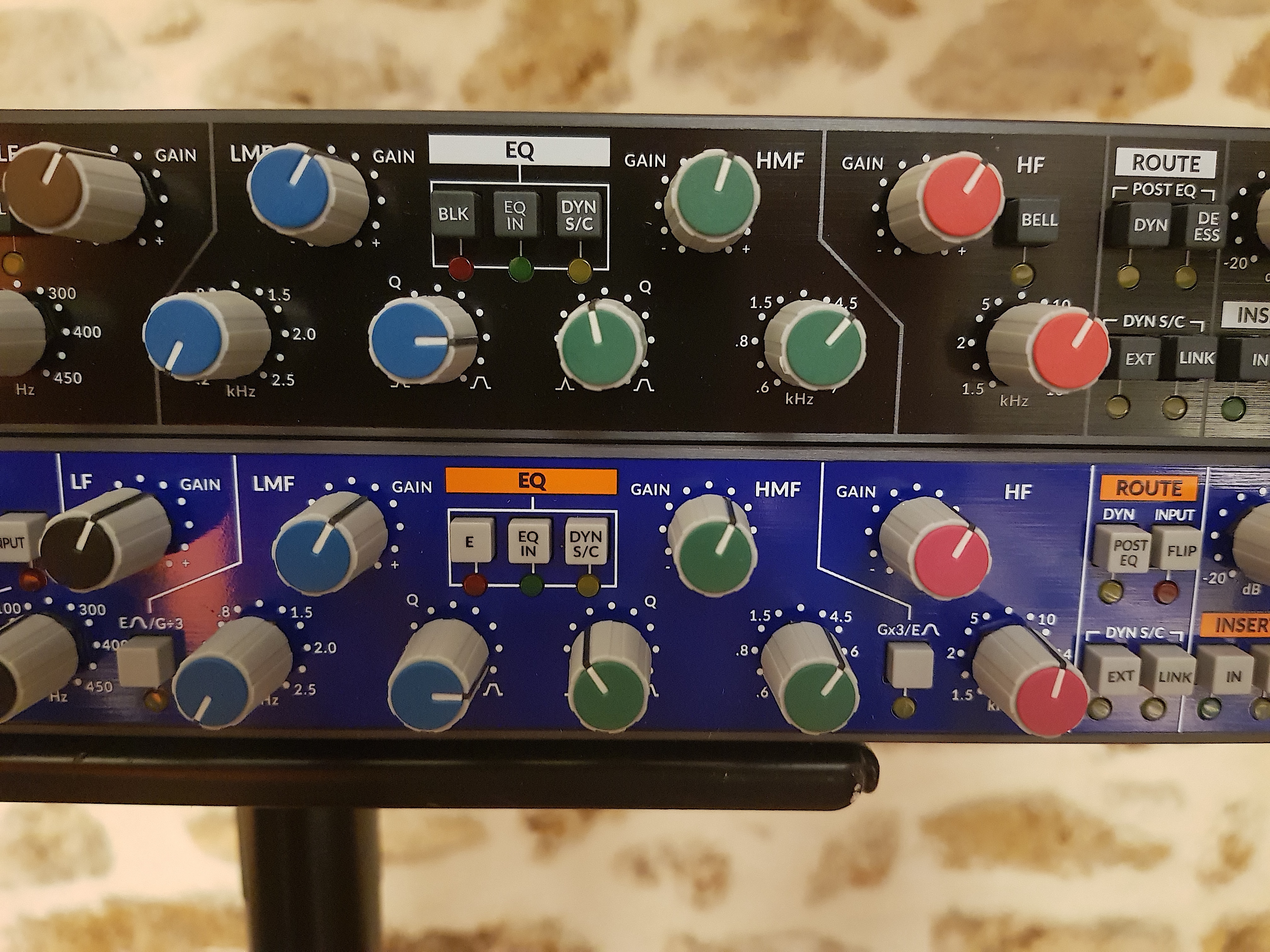
The Super 9000 is superb for energizing the signal. The Revival 4000 is excellent for opening up the sound while adding character. And what a pleasure to rediscover the “E” and “Black” EQ presets for a different kind of musicality and breathtaking flexibility! With this EQ, anything seems possible, and it’s easy to see why SSL consoles were (and still are) so highly prized as mixing consoles. A real eye-opener.
Just like analog consoles (and unlike plug-ins), two EQs on different channels cannot be “linked” together—so you’ll have to trust your ears. Don’t worry—slightly different EQ settings on each channel often have the added benefit of widening the stereo image!
The Output stage