Log in
EN
FR

AKG PA & Live Sound

152 products found

Categories
Series
Filter
Sort by
AKG
Evaluation
  • Reviewed or not
  • Editor’s award
  • Reviewed by Audiofanzine
Availability
  • Available or not
  • Sold new or used
  • Sold new
  • Sold used
Must-have products
  • All products
  • Flagship products
  • Best rated products
  • Hot products
  • Popular products
Price
  • Freeware
  • Low-cost (< $150)
  • Mid-range ($150 - $250)
  • Premium (> $250)
€
Clear
Sort by
  • Popularity
  • User ratings
  • Price - low to high
  • Price - high to low
  • Used price, increasing
  • Used price, decreasing
  • Name (from A to Z)
  • Name (from Z to A)
  • Added on
Choose a category
Selected category: PA & Live Sound
Sort results
  • Popularity
  • User ratings
  • Price - low to high
  • Price - high to low
  • Used price, increasing
  • Used price, decreasing
  • Name (from A to Z)
  • Name (from Z to A)
  • Added on
Filter results 152 results found
Brands
Evaluation
Availability
Must-have products
Price
  • Freeware
  • Low-cost (< $150)
  • Mid-range ($150 - $250)
  • Premium (> $250)
Show results

The best AKG PA & Live Sound reviews

The reviews Audiofanzine members found the most helpful.
  • « thumbs up to akg »

    This mic is a large diaphragm capsules mic. The AKG 420b is more of a newer style then what it use to be in with the previous models. Some of the features of it are, a switch able bass filter that can cut and minimize noise. The mic itself is pretty rugged and can take being dropped or dinged up a few times and still keep working fine. I have had one of the AKG 200 versions mics and dropped it before (years ago) and it stopped working almost instantly. Something must have just got messed up on the inside of it and I didn’t even bother getting it fix just gave it to someone else. But with the 420b by AKG seems to have put a lot more time into it making sure that it is a lot tougher and can take more. OVERALL OPINION The AKG 420 is pretty flexible and it will give you pro studio quality right in the privacy of your own home. It takes a 3 pin XLR cable or output which is standard and most all interfaces have those connections. You will appreciate the sound you will get with the 420. Overall, there are a lot of mics on the market that are affordable. Some cost more than others, but once you find one that will work for you , you will stick with that brand and particular mic. The AKG 420b is one of those type of mics that once you try it you will be hooked. The mic will cost less than 300 dollars now new, and is still being sold at all major stores. AKG has a few more mics that are worth the money too but they are a little more expensive. If you want to go with AKG this could be the best most affordable mic that they offer as far as around the head mobile mics go.

  • « Great! Too bad it's illegal for me to use now »

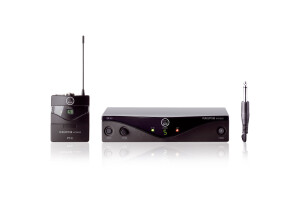
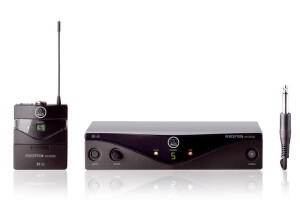
    This is a wireless transmitter for guitar - I remember at the time the nickname was the Guitar Bug. This is the only wireless I've ever owned, and I purchased it because it was the smallest transmitter available. I didn't want a big bulky pager sized device connected to my strap because, when I played live, I would throw my guitar around my neck and do other tricks. I wanted to be able to go wireless so I could run around more easily without having to worry where the slack guitar cable was going. The quality of the transmission/reception to the guitar amplifier is good, but understand that playing through a wireless will always degrade the quality of the tone somewhat, particularly in the area of sustain. There are squelch and volume controls on the receiver to fiddle around with, but it takes a little getting used to playing with a slightly duller tone. Changing the EQ and presence controls on the amplifier can help in achieving the tone that's been lost through the wireless set. Another benefit of using a wireless guitar is that it cuts down on the risk of electrocution. Some clubs have funky power, or don't have all the lines grounded properly, so playing a corded guitar and touching the microphone (by the hand or with wet lips) can produce a shocking surprise. Playing with a wireless set directly takes out one major component of this equation as the guitar is not physically connected by any cables to the amplifier, cutting down on this risk of grounding fiascos. I would save my wireless set for some shows... I've always been of the mentality that with the less gear I use, the less likely equipment is to fail. But, since the time I've bought it, FCC rules have changed and it is illegal to use my wireless set as it broadcasts on a banned channel. That being said, it still works (just don't ask me how I know this. If someone out there hears a ripping heavy metal guitar solos through his TV set on occasion, I'm sorry). If I ever go wireless again, I might check out one of the Line 6 models, especially if they're able to make them any smaller.