



A newcomer from Sennheiser, the HD 480 PRO promises precision, comfort and robustness for studio and home use. We put it through its paces, measuring, listening and trying to take it apart. Our verdict? We'll tell you all about it...

Here then are Sennheiser’s new headphones. The German brand designed the HD 480 PRO Plus to meet both the demands of studio work and the expectations of sound enthusiasts. These headphones aim to be versatile, and they’re a precise, comfortable and reliable tool, capable of accompanying both sound engineers and musicians during long listening sessions… if we are to believe Sennheiser’s arguments.
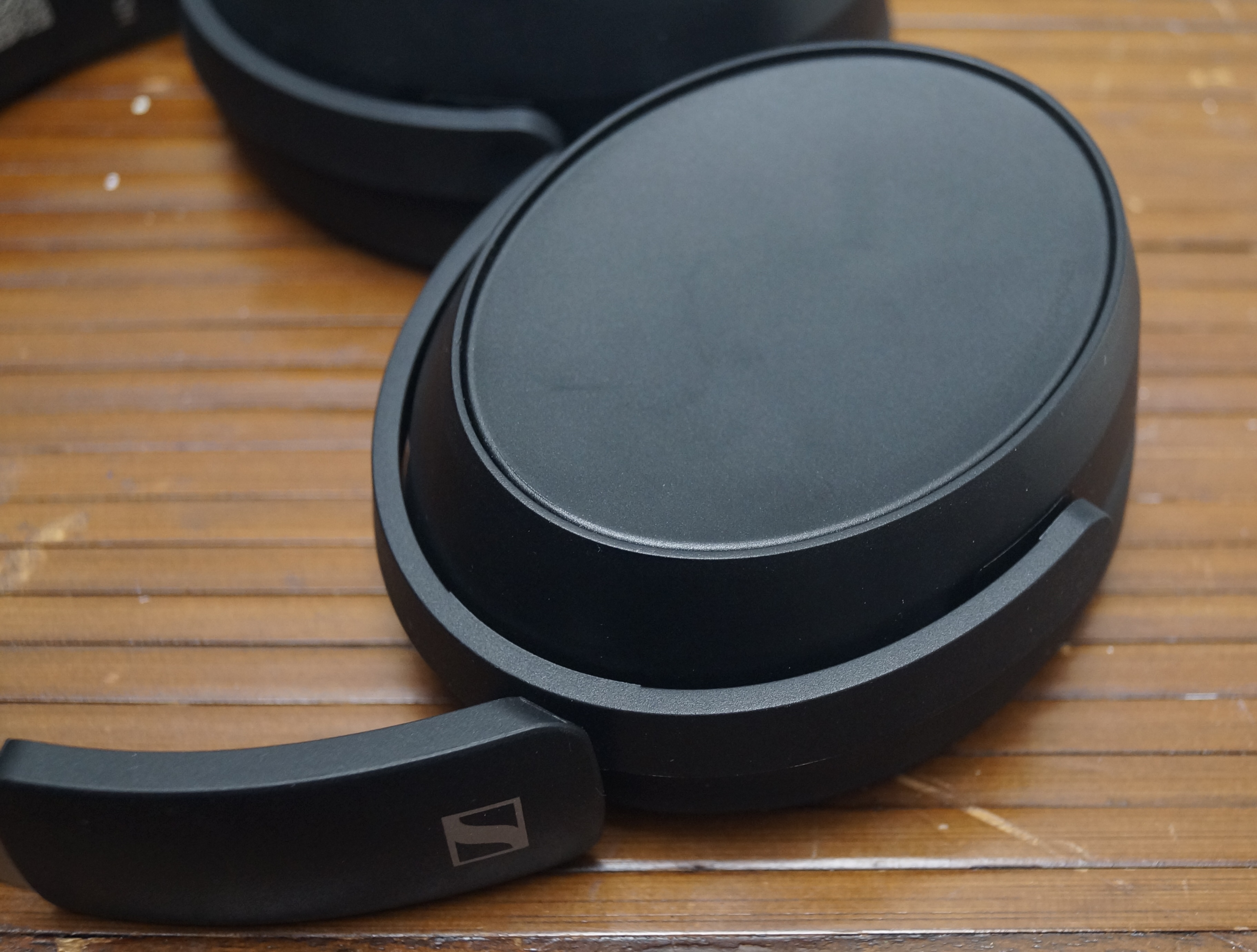
Features and design of the Sennheiser HD 480 PRO Plus
The HD 480 PROs are closed-back, circumaural headphones with dynamic transducers. The transducer size is 38 mm.
The specifications announced by the manufacturer are as follows:
impedance: 130 ohms
frequency response: 3 Hz – 28.7 kHz
The impedance is quite high, and the headphones require an amplifier capable of delivering sufficient power.
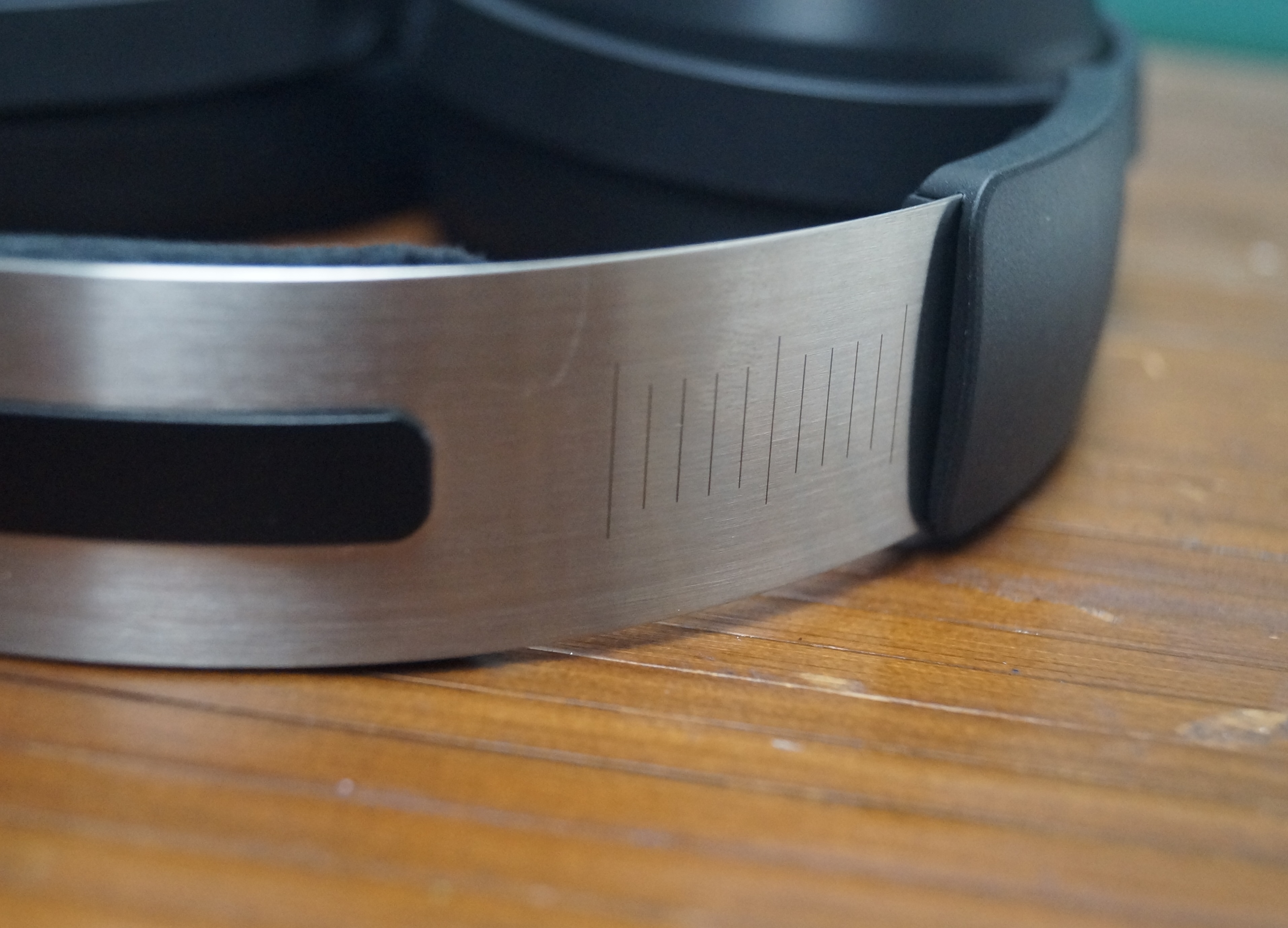
The cable is semi-straight, semi-twisted, with crimped connectors (I really prefer connectors that can be disassembled and unsoldered): on the headphone amp side, a 3.5 mm (1/8-inch) TRS jack with a 6.35 mm (1/4-inch) screw-on adapter. On the headphone side, a three-pin mini-XLR connection. The connection can be made to either the right or left earpiece, which is always convenient.
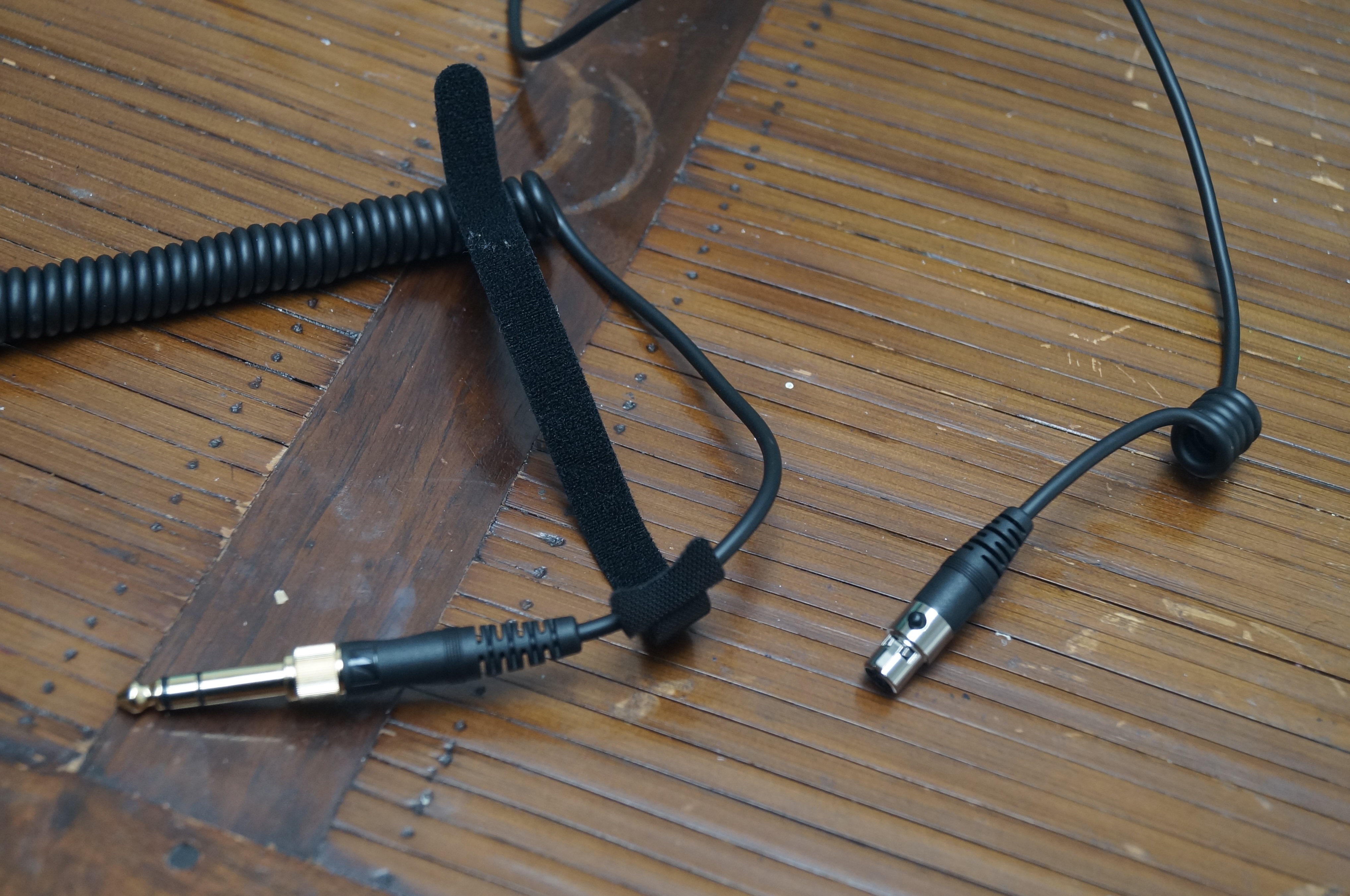
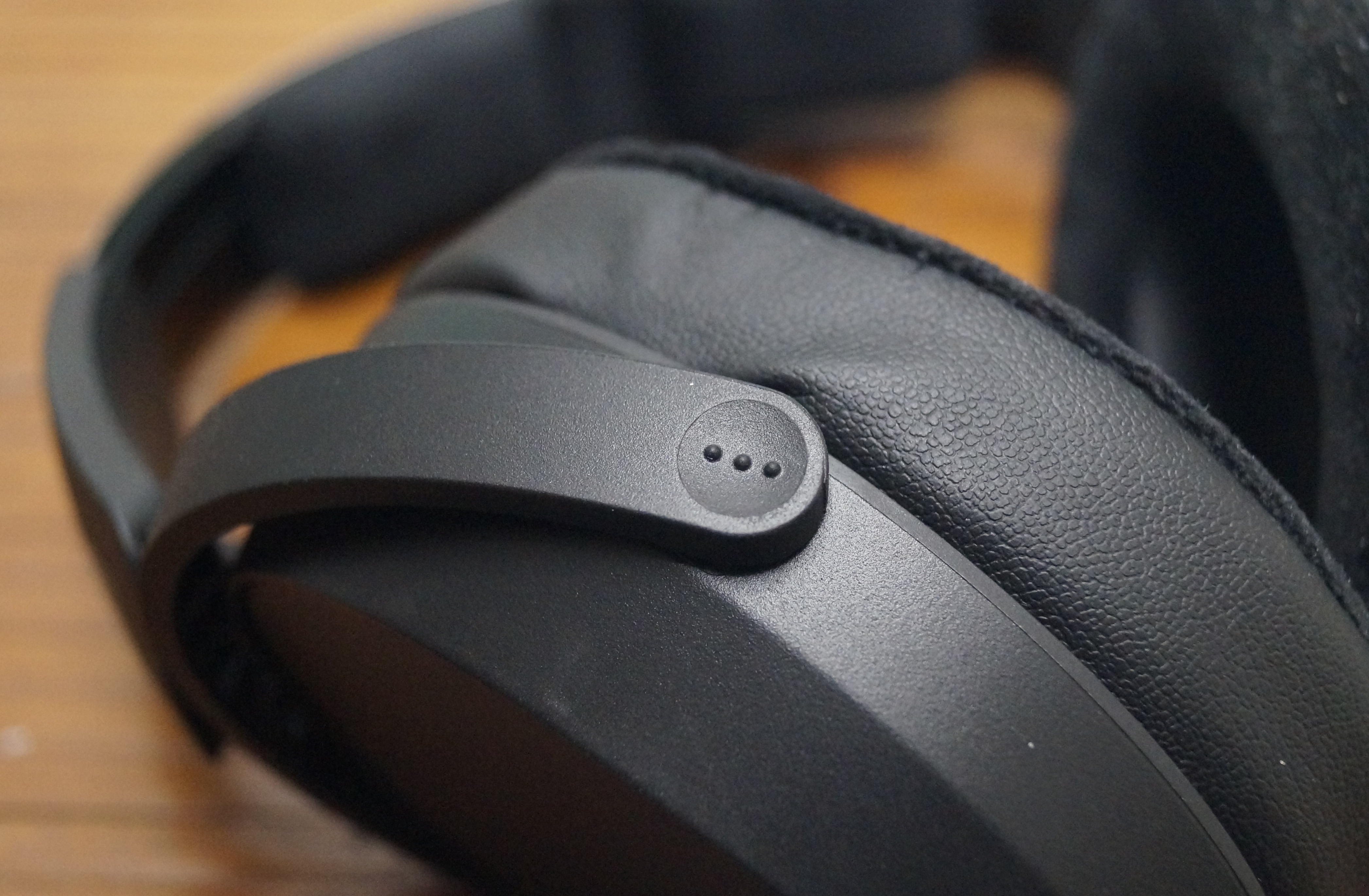
Dismantling, repairability and the helmet’s internal architecture
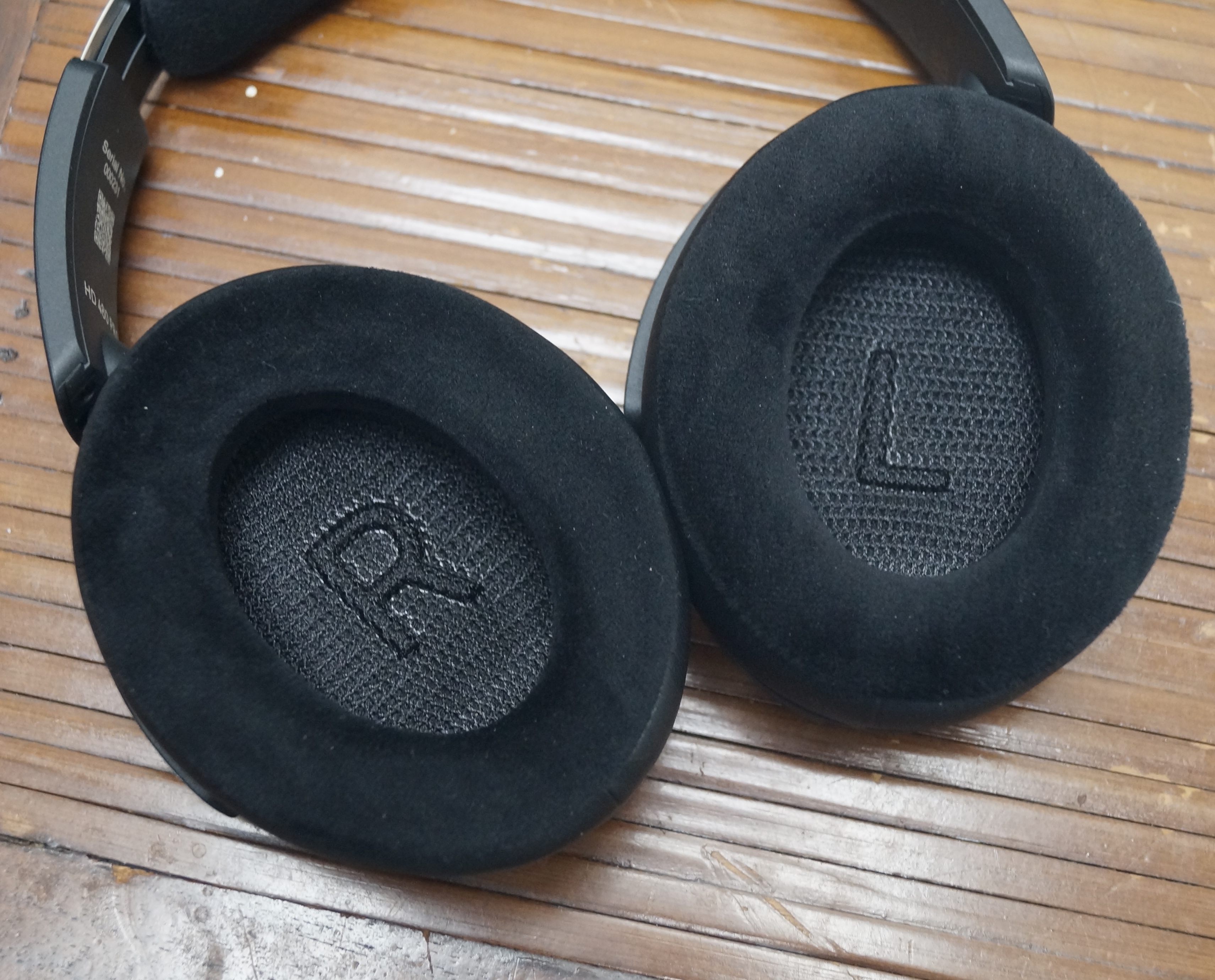
The helmet is fully dismountable, and as usual, we start by removing the pads. Just give them a firm tug, as they clip onto the earcup:
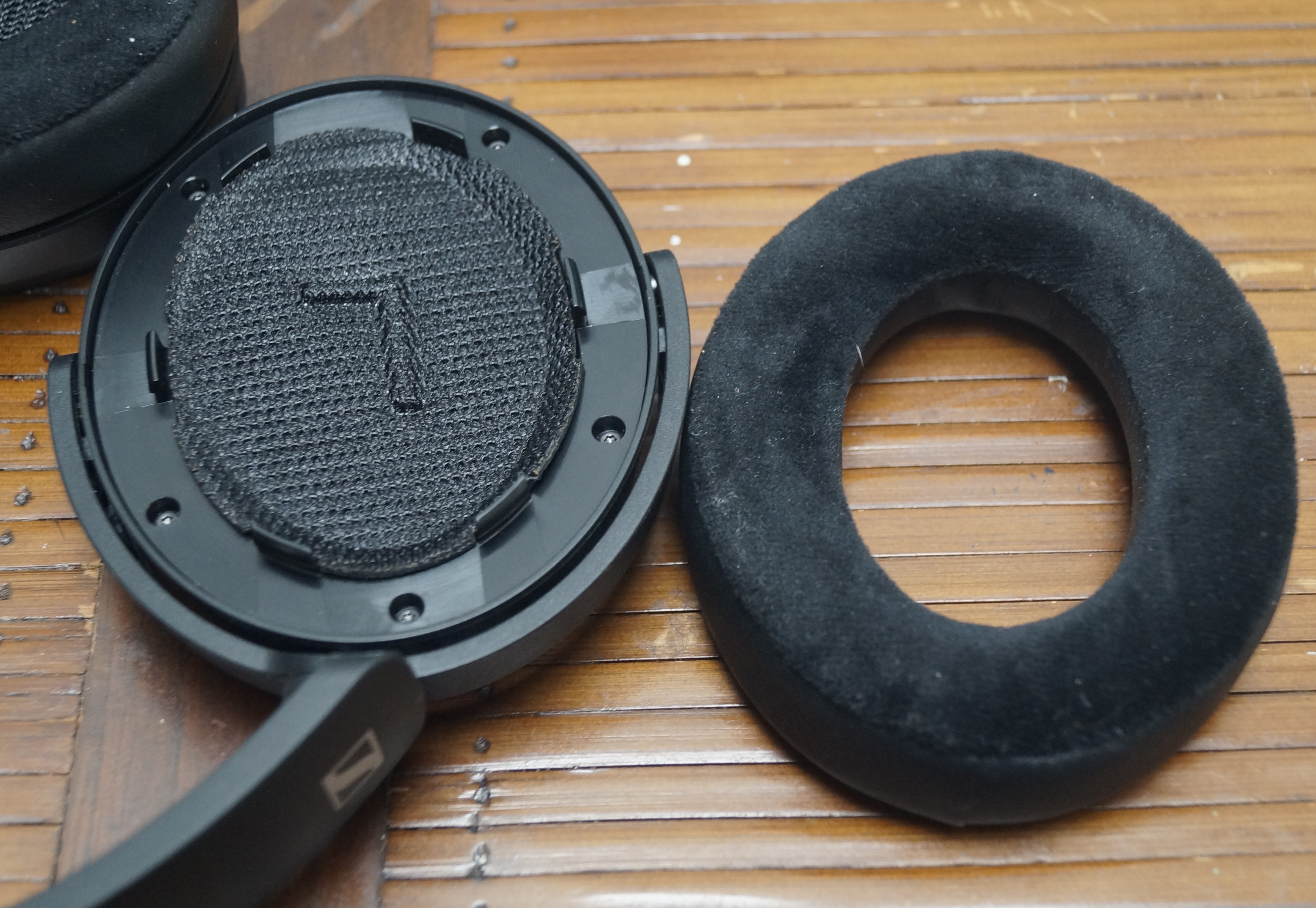
The cover with the L / R inscription is revealed and can be removed:
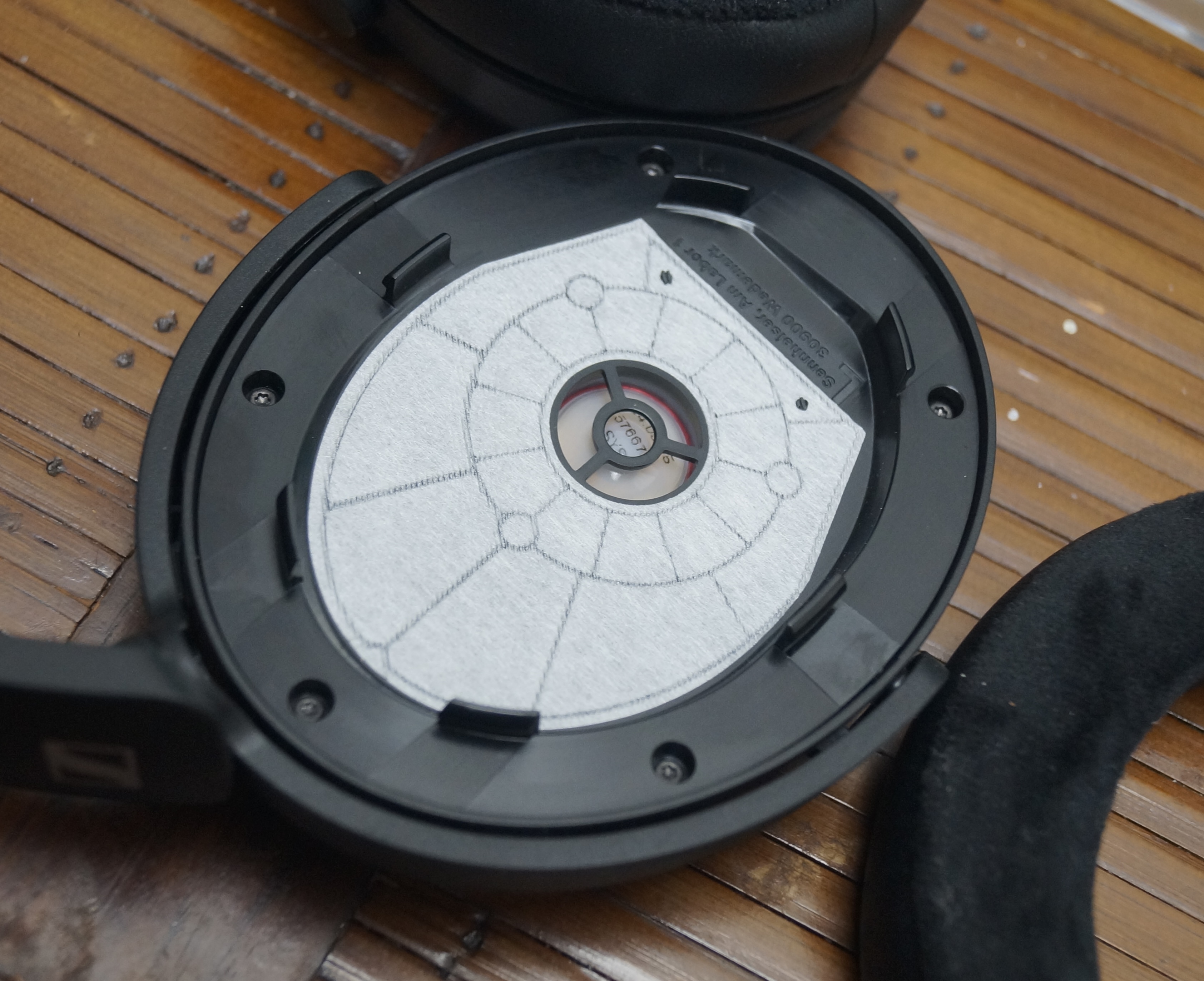
Five screws with Torx heads are also revealed, which must be removed with a very small screwdriver. And here, BE CAREFUL, you need to remove the top plate very carefully, as the cables connecting the HP to the XLR connector are quite short, and very thin!
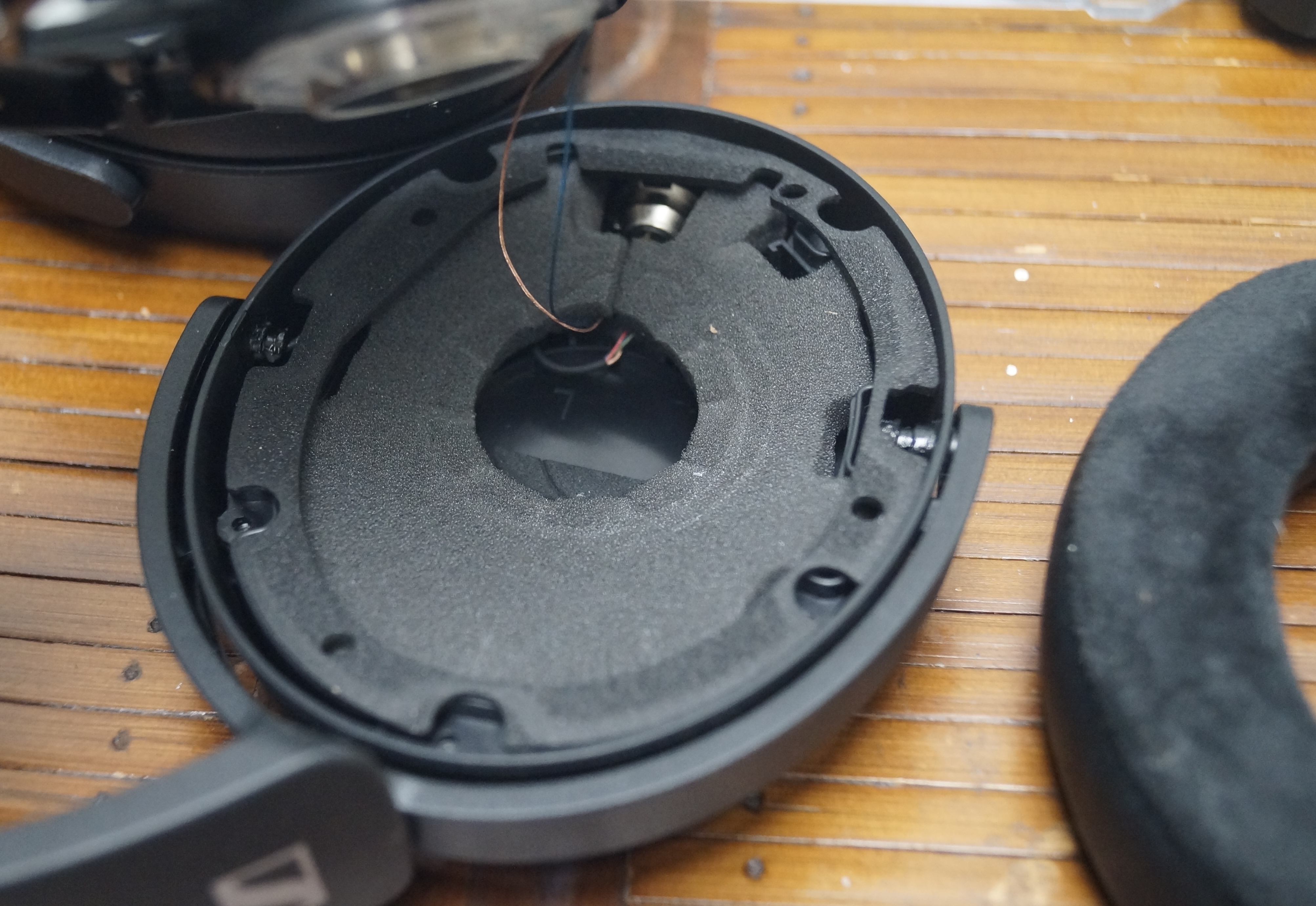
Between the top plate and the receptacle, we notice two foam cut-outs, placed concentrically; the more central one can be removed as is, while the one at the periphery requires the cables to be unsoldered before removal.
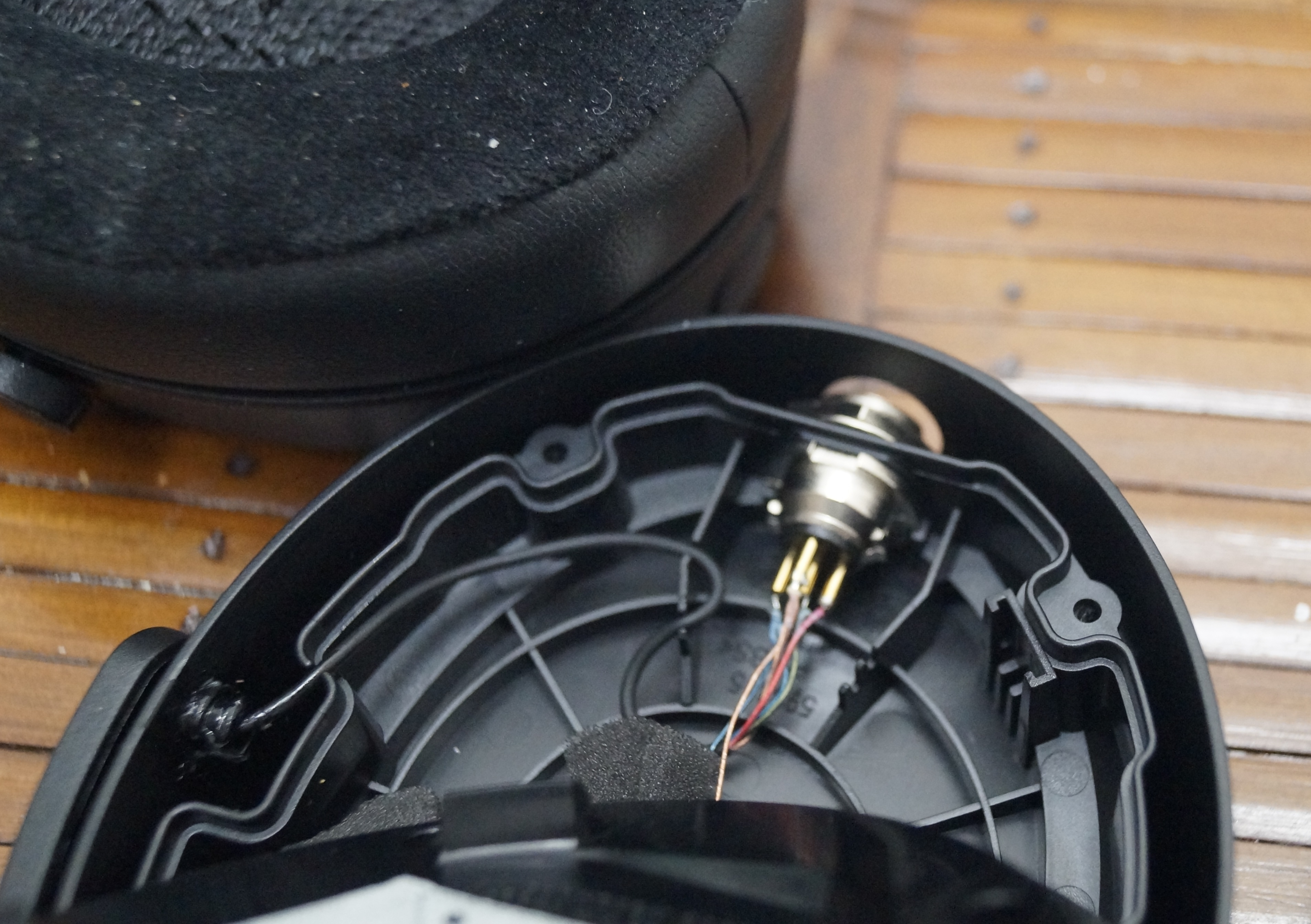
Lifting them up reveals that internal skeleton I mentioned earlier, onto which the plate supporting the HP actually screws (and not onto the receptacle below). The connectors, too, are attached to this internal structure. All in all, the external part of the earpiece is nothing more than a simple shell, partially isolated from the internal structure: a construction, all in all, quite complex and ingenious, and one we’ve rarely seen in the headphones we’ve tested. For this alone, Sennheiser’s R&D team deserves applause.
Wearing comfort during long listening sessions
Quite adequate, the headband is well-cushioned, the earcups are not overly tight, and the headphones are not particularly heavy (272 g/0.6 lbs).
Isolation
There too, it’s quite decent — there’s nothing to complain about.
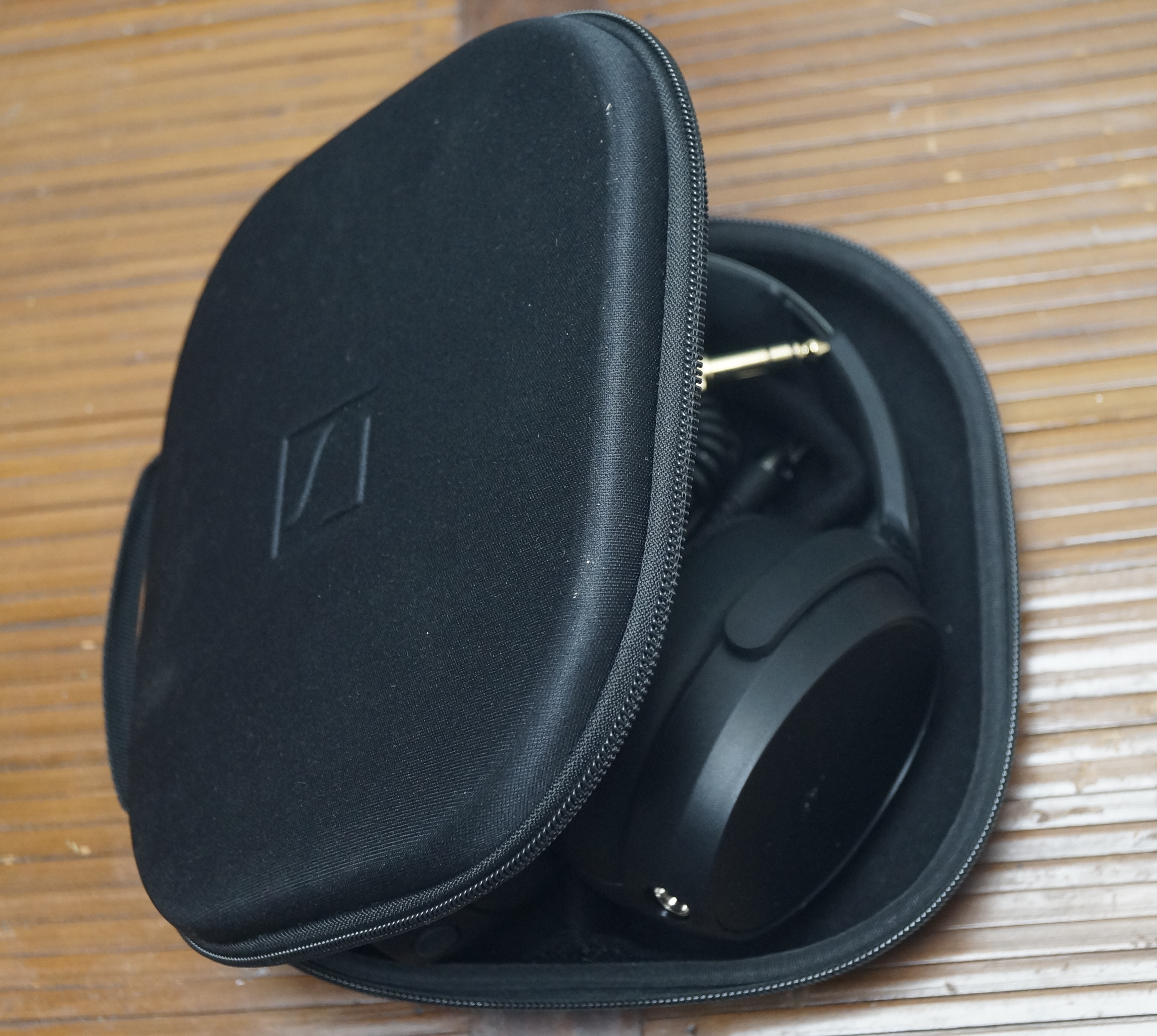
Transport
Objective measurements: Frequency response and distortion
Here, then, is the new protocol for objective measurements, developed by us to complement subjective listening. With the invaluable help of our EARS tester from MiniDSP, we’re pleased to provide you with frequency response and distortion curves, measured in our workshop.
Frequency response:
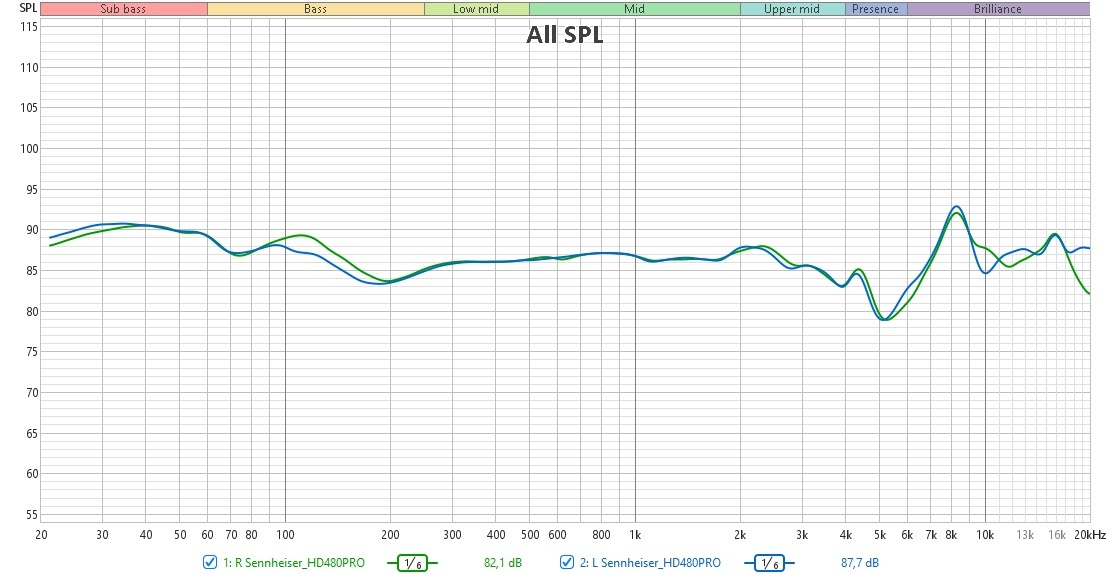
- In the extreme bass, a slight hump that highlights the 30–50 Hz zone.
- Then, in the lower register, a first, very moderate dip, centered around the zone between 70 and 80 Hz, then a second, more pronounced dip, around 200 Hz.
- Then, from the lower midrange to the beginning of the upper midrange, a globally linear, very homogeneous plateau.
- In the upper midrange, a slight hump just above 2 kHz.
- Between 4 and 6 kHz, a notable dip, the only one in the entire graph, peaks around 5 kHz.
- In the treble, a pronounced peak, again the only one in the entire frequency response, around 8 kHz.
- Above 10 kHz, we find the usual alternation of small dips and bumps, with a tendency towards irregularity between the two channels. The signal is fairly well tracked up to 20 kHz.
We notice that the transducers are very well matched, with the exception of a slightly stronger left-right deviation (2 dB) at 100 Hz and a few irregularities in the treble.
Distortion:
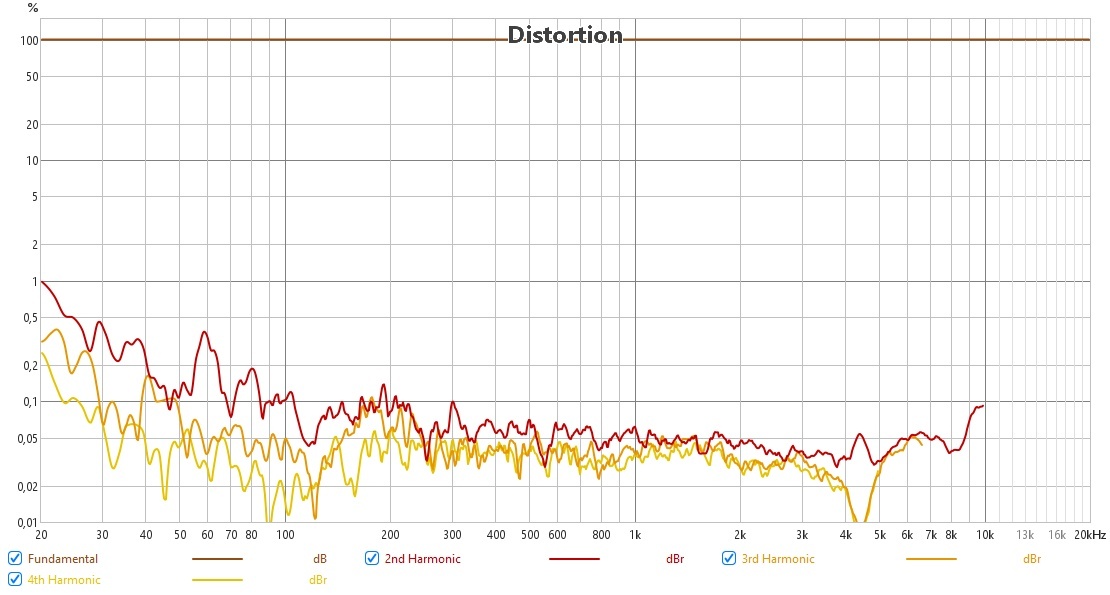
Our overall assessment is that the frequency response profile, even with a few bumps here and there, of course, still remains very “straight." We also expect to find bass frequencies well represented, given their rather marked accentuation. Too much? Only listening will tell. But in any case, distortion in this part of the sound spectrum remains fairly contained, so we can expect fairly accurate bass.
Critical listening and sound analysis of the HD 480 PRO Plus
Richard Hawley – "Don’t Get Hung Up In Your Soul” (Truelove’s Gutter)
An acoustic ballad with lots of reverb and a significant dynamic difference between voice and guitar. Our first impression is that the bass adds body to all the elements, particularly the guitar, without going overboard, but it also weighs down the bass rendering a little. In spite of this, the hollow in the lower midrange lightens the response of the low notes and avoids excessive thickness, letting the voice stand out. It seemed to us that the recess around 5–6 kHz perhaps softened the sibilance a little. We’ll see if the rest of the listening confirms this impression. What is certain is that the peak around 8–9 kHz gives quite a bit of detail in the treble. All in all, the main impression is one of general balance between the frequency ranges, and therefore of good overall legibility.
Sun Kil Moon – “Butch Lullaby” (Common As Light And Love)
In the intro, you should hear both the low notes and the mid-range harmonics added by the distortion, with a slightly pricked attack, while clearly separating the bass drum, which sounds quite dry and mid-rangey. There’s plenty of bass! On the whole, we find that the bass remains clean and legible, even if it occasionally tends to take center stage. In any case, the headphones have no trouble reproducing the lowest notes. As with the previous track, we get the impression that the low-midrange dip improves separation from the bass drum. In any case, we appreciate that the treble peak compensates for this very accentuated bass, bringing detail and a little bite.
A track with a lot of extreme bass, but that shouldn’t mask the many details in the upper midrange and treble. The sub-bass is present, which is already more than can be said for other headphones, and generally speaking, the bass doesn’t encroach too much on the rest of the spectrum. This comes as something of a surprise, as we were expecting the extreme bass to be a little puffy, but in the end, the HD 480 PRO Plus manages this aesthetic very well. In addition, the high-frequency peak reproduces the song’s many details well and gives the voice good articulation without making it too sibilant, as sometimes happens with very analytical headphones. At this point in our listening session, we don’t yet feel any overly obvious aural fatigue, nor any physical fatigue.
Charles Mingus – "Solo Dancer” (The Black Saint And The Sinner Lady)
Here’s a track with lots of instruments from the same families. The soundscape is cluttered, and the aim is to try to discern the timbres. The very linear midrange helps differentiate the instruments by their ranges, timbres and so on. And the slight dip in the lower midrange limits the slightly mushy effect that can sometimes be felt with this track on certain headphones. So the midrange and treble are easy to read, but the bass is perhaps a little strong (in this track, it has to stay very much in the background to be easy to follow, in my opinion), and the cymbals are a little too present, which is also a risk with this track. But nothing prohibitive in my opinion.
Edgar Varèse – “Ionisation” (Pierre Boulez, New York Philharmonic: Varèse Arcana • Amériques • Ionisation • Offrandes • Density 21,5 • Octandre • Intégrales)
Here we seek to judge the stereo image and the tracking of the hall’s natural reverberation, which plays on the impression of space. Listening takes place between 0:30 and 1:15 min. The stereo image is precise, with good source localization made possible by clear rendering of reverberation lengths and timbres. In addition, the generally linear frequency response profile offers roughly equal space to all percussion instruments, enabling the listener both to focus on individual voices, in analytical listening, or to grasp the overall effect, the instrumental mass, in its entirety.
After listening, I feel very little auditory fatigue and no physical fatigue attributable to the headphones’ weight or ergonomics.