Log in
EN
FR

CAD

71 products found

Categories
Series
Filter
Sort by
Evaluation
  • Reviewed or not
  • Editor’s award
  • Reviewed by Audiofanzine
Availability
  • Available or not
  • Sold new or used
  • Sold new
  • Sold used
Must-have products
  • All products
  • Flagship products
  • Best rated products
  • Hot products
  • Popular products
Price
  • Freeware
€
Clear
Sort by
  • Popularity
  • User ratings
  • Price - low to high
  • Price - high to low
  • Used price, increasing
  • Used price, decreasing
  • Name (from A to Z)
  • Name (from Z to A)
  • Added on
Choose a series
Sort results
  • Popularity
  • User ratings
  • Price - low to high
  • Price - high to low
  • Used price, increasing
  • Used price, decreasing
  • Name (from A to Z)
  • Name (from Z to A)
  • Added on
Filter results 71 results found
Evaluation
Availability
Must-have products
Price
  • Freeware
Show results

The best CAD reviews

The reviews Audiofanzine members found the most helpful.
  • « Not for High End Singers »

    This mic has a great quick response for singers that have a thick low voice. It provides a great top end boost at the high mid frequencies. If you have a real treble sounding (3.5 to 6K) voice I would go with another microphone. I always say that you should choose a mic per vocalist if you have the money. Now a days you can buy so many great mics for under $200. I would use CAD mics for clean singers. It does have a lower distortion rate or speed I noticed when placing on a guitar amp especially. We set up a mic for guitars the other day and it was laying out so we put it to use. After the guitar player turned up his amp to the levels that he plays we noticed it was rather clean sounding and a bit mid rangy. I think it may have been his cabinet but my ears were telling me it was the mic. We did not compare it to another we just went ahead and recorded the mic the way he wanted. We also moved the patters and it worked better when we asked the guitarist to turn down a bit. Remember that these mics are not made of real high quality components in that they are cheap by nature. Most younger producers like CAD. I am not a huge fan but for the money I do think this mic is a pretty good buy. I would not consider it as a record or hit record vocal mic. There are many differences in the sound of lets say an expensive AKG like a 414 and this mic. Most of these cheaper mics have a real buzz that happens at about 5k to 7k sometimes even I can hear it with some vocalist at about 4k and that is annoying if you have a female singer that uses her nose. It is a cleaner mic so I like that. I compare it to the LUNA by M Audio and I think they both have the same sound in some ways. They are both around the same price and they both have that high mid tone. I will say that a few of my students like CAD and have used them for years and it is a good company. If I were choosing between this mic and SPARK by Blue I would go with the Spark as it can take a better front end hit and has a similar boost but is not as noticeably mid rangy. I do like the CAD line and I have had some success with them. At the price point this is a good by. OVERALL OPINION For very clean singers it is a great buy but for loud singers I like other microphones. I like the crisp cleanliness of the CAD mics in general but it really depends on the singer so pay attention to the sound of the singer. Get right up to their voice and study their vocal sound. If you hear a great deal of nasal cavity you may not like this mic, if not you will. www.chrislieck.com www.comia.us (recording school). It is clean and is most of the CAD line. They are really nice mics for the money and like I said they are good buys but if you are looking for a great vocal mic spend the money and get a really pro mic like an AKG 414.

  • « The Workhorse »

    Overview Working on a home studio budget comes with its own set of challenges and limitations. When resources are limited, versatility and functionality are essential in equipment choices. When you need a microphone that can do it all, the CAD Equitek e100s stands up to the challenge. The e100s is a supercardiod condenser microphone. Though CAD is often seen as a low-end affordable brand, the Equitek series of microphones raises the bar for high quality microphones at affordable prices. The CAD e100s boasts a $500 price tag and is proudly made in the USA. According to CAD, it has the "lowest noise floor in its class," meaning that the microphone itself produces very little self-noise (3.7 dBA, to be exact), and eliminates unwanted room noise (largely due to its 'tight' supercardiod polar patten). I can testify, this makes the e100s virtually silent when it is plugged in and waiting to be used. The e100s can also withstand up to 150 dB of sound pressure with the -10dB pad engaged, making it almost indestructible (you could record a jet engine with this microphone!) In the Studio While the e100s has some very utilitarian features--such as the -10dB pad and the 80Hz high-pass filter--the microphone truly stands out for its flat frequency response across the spectrum. It evenly captures frequencies ranging from 40Hz–18KHz, and offers a slight boost between 5-10kHz for added signal clarity. Because it has such an even frequency response, it is one of the most competitive "workhorse microphones" on the market. I have personally used the microphone for both acoustic guitar and vocals in my home studio, which have given me very clean and professional results, only requiring slight EQ adjustments in post-production. I have yet to use it for electric guitar, bass guitar, or drums, but other reviews I have read seem to speak highly of the microphone's versatility in capturing many sounds fully and accurately. Another unique feature of this microphone is its built-in shock mount design (similar to the Shure SM7B). The microphone is very flat in design, and can fit tightly up to flat surfaces like pop filters, guitar cabinets, or drum heads. This feature only reinforces its versatility in capturing sounds in the studio from a variety of sound sources. For all of the great features this microphone boasts, one thing is does (subjectively) lack in is "character." The CAD e100s really won't 'color' or 'enhance' any sound it captures. To some, this might be considered a negative trait of the microphone, but I believe there are situations in the studio that do call for accurate sound capturing; the e100s will get the job done in these cases. But if you're looking for a vocal microphone that automatically makes you sound like Freddy Mercury or Taylor Swift, then this is probably not the microphone for you. Bottom-Line Want a microphone that will (almost) do it all? Look into the CAD Equitek e100s. You won't regret it.

  • moosers's review

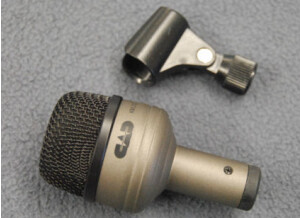
    The CAD KM212 is a microphone designed for recording kick drum and other bass instruments, that comes within a few different CAD drum microphone packs. We have one of these CAD drum mic packs at the studio where I work, although I'm not sure exactly which one it is. This mic doesn't really ever see any use at the studio where I work, as we really just have the mic pack as a back up for if we ever were to need a couple of extra cheap microphones. The KM212 has a cardioid polar pick up pattern, with a frequency response ranging from 50 Hz to 16 kHz. OVERALL OPINION I can't say that I would ever used the CAD KM212 on a session unless I had to. While it's an okay enough microphone for the price and considering that it comes in a drum pack, it's definitely not a professional recording microphone. I've used the KM212 twice in the studio, and have never used it in any other setting, although this mic would probably best be suited for live sound reinforcement. I've only used the microphone as an extra kick drum mic, and haven't used it for anything else, although CAD recommends it's use for bass guitar cabinets and floor toms as well. While on it's own you could probably live with the sound you get from the KM212, once you put it up against something like an AKG D112 or a Shure Beta 52A, you'll instantly notice a difference in low end clarity, and clarity in general. You can't buy the KM212 on it's own, so if you want it you'll have to buy one of CAD's complete drum packs. The only time that I'd really recommend doing this is if you're looking for some extra drum microphones for cheap to have as a back up, or if you're just get started. Even so, there are probably better ways you can spend your money...

  • moosers's review

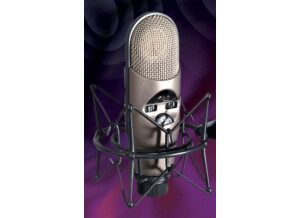
    The CAD e100 is a condenser microphone designed for use in the recording studio. I have only used this in the studio, and wouldn't recommend using it for live purposes, as it is designed and best suited for the recording studio. On the front of the microphone, there are switches to control a pad, a high pass filter, and the power, as it is powered by an rechargeable nine volt battery. OVERALL OPINION I've been using the CAD e100 for about two years and have found that while it is a usable microphone, it isn't my go to microphone of choice for any applications, as I always have other mics that I would rather use. This being said, the e100 does sound good and will work in a few different situations. I have used the e100 as a room mic, for vocals, for acoustic guitar, and for other acoustic stringed instruments. I find that it picks up the high end pretty well for a large diaphragm microphone. The high pass filter and the pad made it versatile in terms of control over your sound, and these options definitely come in handy while using the e100. It has a cool overall look to it, and the shape is unique - the large pop filter that covers up the capsule makes it great for picking up a wide array of sound. The price of the CAD e100 is what makes it so attractive to small and home studio owners, as it is just about as cheap as they come for a condenser microphone. I like the CAD e100 because it has its own style, but unless I am using a ton of mics at once, I usually have other mic options that I will use instead. This being said, the CAD e100 is a good choice for home studios owners.

  • « Great for guitars and vocals! »

    D189 Specifications Operating Principle: Moving coil dynamic Polar Pattern: Supercardioid Frequency Response: 40Hz to 18KHz Sensitivity: -54dBV (2.0mV) @ 1 Pa Impedance: 200 ohms It's basically your typical supercard dynamic mic. Has a pretty wide frequency response. Fairly flat too. There's some boosting in the upper mids, at least according the Cad's chart. It's recommended for live and studio use. OVERALL OPINION My friend recommended I get this mic when I told him I was frustrated with my SM57 for guitar. He said it was a lot like it but just better. The price was right so I got one. The verdict was made pretty quickly. I put it flat against the grill of my AC30 combo and through the system in a live setting the difference was pretty easily heard. The Cad has more bass response and less high end harshness than the 57. But at the same time is still sounds like a 57, which is good, because myself and a lot of people like the 57 on guitar cabs. This was my go to mic for live guitar micing for at least a year. It served me well. Eventually I started using a few large diaphram condensers instead so I basically retired the Cad. One day I had a vocal mic break before a gig so I decided to pull out the old D189 and give it a try. WOW. This is an incredible mic for live vocals. In fact, it might be the best I've ever used. It's feedback proof for one thing. I usually have a lot of trouble with my vocal mics feeding back at high volumes. The Cad rarely has this problem. It rarely needed to be EQ'd at the board. It sounds good on all vocals. For the price, this is a great mic. I like it more than the 57 for most things. For guitar, it's good but not phenomenal. Depends on your speakers and amp. For vocals I love it. Surprised more people don't know about this one.

  • moosers's review

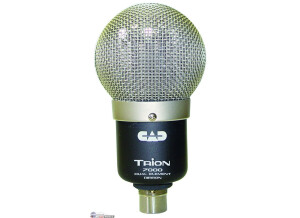
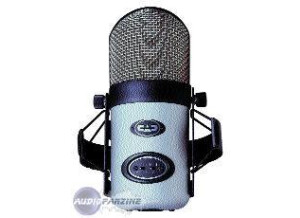
    The CAD Trion 7000 is a dual element ribbon microphone, meaning it's got two ribbon components. The mic is only designed for use in the studio, and is one with a figure eight pick up pattern as is the case with most ribbon microphones. The mic has a frequency response ranging from 20 Hz to just 10 kHz, which account for it being such a dark sounding mic, which again is much like many ribbon mics out there. The mic has a unique shape and is actually pretty small in general. OVERALL OPINION The CAD Trion 7000 is a great way to get a ribbon microphone without having to spend much money at all. It's a very sensitive microphone on account of the dual diaphragms, so it's definitely best suited for acoustic instruments. I've used the Trion 7000 for acoustic guitar, piano, and even tried it for a quick vocal as well. My favorite application of these was on the acoustic piano, as it was definitely a unique sound. It was your traditional, bright piano sound, but the result was it's own thing and was definitely cool. The vocal came in pretty well, but it was the same kind of thing where it had it's own vibe going on. I'd describe the Trion 7000 as being darker than your average ribbon, but not by too much. I don't think that the quality of the CAD Trion 7000 is ideal for a professional studio, but if you're looking for a different colored ribbon sound, it will certainly work in some situations. Having said this, I do believe that the mic is best suited in home studios as a ribbon mic on hand to get some contrasting sound. Obviously if you can afford it there are plenty of better ribbon mics out there, but for this price you aren't going to find many better than this one. The CAD Trion 7000 is definitely one of your best bets for a super cheap ribbon mic...

  • « Gives a very natural sound »

    The CAD C195 is a Cardioid Electret Condenser mic that has a very low noise, this microphone has a very flat frequency response. There are not many microphones that you can purchase at this price that will give you a natural sound. The reason why I love this microphone is because it will record you exactly the way that you sound. You will not even have to do too much mixing to your vocals to get them to cut through the mix with this microphone. OVERALL OPINION It has a sleek design but still rugged, I have used this microphone as an in hand mic and on a mount/stand before and either way you will get the same results. You will not have to worry about feedback with the C195 either due to its pickup pattern (cardioid). It will not pick up anything lower than 50Hz and nothing about 18 kHz, which makes it a very natural microphone because our voices are not too far stretched from those frequencies. You will need to have a pop filter with this microphone though, which will be another 20 plus dollars that you will have to spend because using it without one is risky unless you can keep a good distance from the microphone when recording and still sing loud enough. But if you use a pop filter and have a good stand to put the mic on then you will get studio quality recordings easily. This microphone does require phantom power and it is made of steel. You will not have to worry about damaging this microphone because of how durable it is. My favorite thing about it is simply the recording quality and how natural it is. Once you listen to the play back you will hear nothing but your natural voice, just add a little reverb to create some space and you can put it right in your mix.

  • « Placement is key »

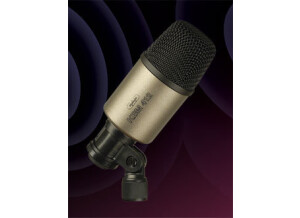
    The CAD KBm412 is a kick drum microphone that is very affordable, it is one of the most affordable kick drum mics that I have ever seen. You can use it for other instruments too, but it is made for instruments that put out very low frequencies. This microphone will pick up those low frequencies and record them very clean. I have been using this microphone since July of 2007 and still have it. I do not use it as much as I use to but because it was so inexpensive I decided to keep it just in case some of my other ones go out. The only issue that I have seen with this microphone is when it is either too close to the kick drum or if the kick is too punchy. It can really record a distorted kick when those two things are in effect. Positioning this microphone is key before recording. You will need to make sure it is not too close and even put it a little farther away than you normally would put a kick drum microphone or your kick will be extremely punchy due to this microphone sensitivity. OVERALL OPINION There is no doubt that if you want a kick drum microphone and cannot afford a high end one then this is probably the way to go considering the price. I would actually put this microphone ahead of any of its competitors that have kick drum microphones costing less than 150 dollars. You will get a great recording with this microphone, it will probably take you some trial and error when recording to get it the way you want it to record. It will pick up frequencies close to 25Hz and when mixing the kick drum you will notice how deep it really is. This microphone does provide great depth in the recordings but it can overdue it sometimes. Great mic, but you will have to be cautious on how you place it.

  • « Purchase it »

    The CAD E200 series microphone is a dual single diaphragm condenser microphone by Conneaut Audio Devices, it has a multi pattern side that is cutting edge for recording. The price of this microphone makes it very desirable for someone who is one a budget and wants great quality. This microphone is very affordable for the quality of audio it puts out. This microphone can be used for live or for recording, also can be used for acoustic instruments and as a overhead microphone. The E200 has high speed OP Amps whih is used for a better performance to with a high gain. The CAD company manufactures this microphone in the USA in the state of Ohio. They have since discontinued the making of this microphone and it has been replaced by a different model. But you can still find this online to purchase at various stores or online sites. OVERALL OPINION The CAD E200 is a very transparent and precise microphone with a wide frequency response, and you will also get a very low noise. CAD has been making these microphones for a while now and I have used several of there other microphones. The Company itself has been involved in audio equipment for over 80 years now and have a great reputation. With the E200 you don’t have to worry about not getting the best deal for your money because the quality and build of this microphone are second to none. I have not seen too many people that have used this microphone for different applications and have negative complaints about it. I have been using it fro a few years, as well as other microphones from CAD and I will continue to use their microphones. I am happy with our choice to purchase this microphone and would do it again in a heart beat. Purchase this microphone.

  • « usb mics are ok »

    I purchased the CAD u37 usb mic on New Years Eve, right before 2010. So ive owned it for about a 2 year now. I have done about 400 musical projects with this mic. This mic is good, but only good to a certain point. but one thing you cant do, : you cant buy a mic, use it for the first few times, and call it a good mic. i have to rate this mic in every area. This mic doesn’t really give vocals a good warm studio sound like what everybody says. And you can actually take this mic anywhere you want to go without the hassle of hooking up extra hardware (preamps, mixers, interface ext.) The mic clip, the part where the mic connects to the stand, well that lil circle thing isnt too helpful after owning this thing for a year, and for it to be a USB mic, then I think it should have been made for traveling and being tossed around because of the flexibility of it. then after using it for a year, i noticed that the screens can easily pop off (even though mine haven’t). the quality of the sound decreases after a while. you wont be able to notice, until you gain. OVERALL OPINION The CAD u37 doesn’t look attractive in any way, it feels and looks like something you can buy from Toys R Us. But its pretty flexible, well even though you can pod cast, record on-the-go, and hook it up to a computer easily, doesn’t mean its flexible. since its a USB mic, you cant upgrade the quality. i mean its a great mic, but you get what you pay for. if all you have is $70, and that’s all you want to spend on a mic, then get it. this mic really helped me out.

  • moosers's review

    The CAD CM 217's are small diaphragm condenser microphones that are designed for use in the studio. However, they are definitley cheap enough where you could probably use them under any circumstances if you wanted to. My experience in the studio with the CM 217's hasn't been very extensive, as I've really only used them on two separate occasions and didn't actually use them on the recordings. The mics have a cardioid pick up patter and have a frequency response ranging from 40 Hz to 13 kHz. The mics also have a high pass filter and a pad on them and include a mic clip. OVERALL OPINION While I can't say that the CAD CM 217's would be my first choice for a microphone under any circumstances, they are decent enough small diaphragm condenser mics to get you started with if you're just putting together a home studio. Even so, I'd still recommend spending a bit more money if possible, but if you're just looking to spend close to nothing on a small diaphragm condenser, the CM 217's will get the job done. The mics are suitable for any application where you'd want to pick up signals that have a decent amount of high end, as is the case with all small diaphargm condensers. The one application that I tried the CM 217's for was as drum overheads. The studio I work at has a number of cheap CAD microphones as extras just in case someone needs some scratch microphones to work with. These are included, although they don't see very much use at all, and for good reason. While the CM 217's aren't the cleanest sounding microphones out there, they do give you a general idea of what something will sound like. The price is of course going to be the determining factor here, as this is as cheap of a small diaphragm condenser that you'll find. In fact, I saw that Musician's Friend is selling these buy one get one free. While not ideal, the CAD CM 217's are only okay if you have next to no money to spend for your home studio...

  • moosers's review

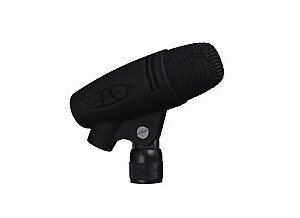
    The CAD TM211 is a dynamic microphone that is designed for recording tom tom drums. The mic is only available in one of CAD's drum packs, although I'm not sure exactly which ones they are available in. The mic has a cardioid polar pick up pattern, which a frequency response in between 90 Hz and 13 kHz, which is pretty limited. The mic has a built on clip, making it extremely easy to place on tom toms or other drums. OVERALL OPINION The place where I used the CAD TM211 had purchased the CAD drum pack that this comes with, but at the time I was only using this particular mic in tandem with a slew of other microphones from other brands to round out recording the drum kit. I've also used the snare and kick drum mics in this pack as well, which I should say that I liked better than the TM211. The idea of a drum pack to me isn't the best way to go when it comes to choosing drum mics, but the CAD pack is definitely better than most of them that I've seen. As for the TM211, I think it's probably the least impressive sounding mic in the pack that it came with. It can't be used to record anything other than tom tom drums as the frequency response is too limited to pick up lower end or higher end sounds. While it does an okay enough job of picking up tom toms, it wouldn't be my first choice, or even second choice, under any circumstances. Although buying the full drum pack with the TM211 is pretty inexpensive, it certainly isn't worth it for the TM211. In fact, if you're looking to really put together a good set of drum mics, I'd recommend straying away from the CAD TM211 and the drum pack it comes with...