



Faced with the domination of software, a return to hardware is no longer a nostalgic idea. Between screen fatigue, the need for gesture and the search for constraints, some musicians are rediscovering another way of creating. Find out why the machine is back at the heart of musical practice.

For a long time, hardware synths were the only standard. Then software arrived with its promises of flexibility, low prices and total integration. Little by little, it became a central part of music production. Today, it’s even become the logical choice for boosting productivity. However, there is no single truth, and in the face of this domination, an opposing, increasingly assertive movement is emerging: a return to machines. There’s nothing nostalgic about this choice. It’s not about rejecting progress or denying software’s strengths. Rather, it’s a desire to redefine the way we work, create and breathe in a world saturated with screens.
Look, Mom, no computer!
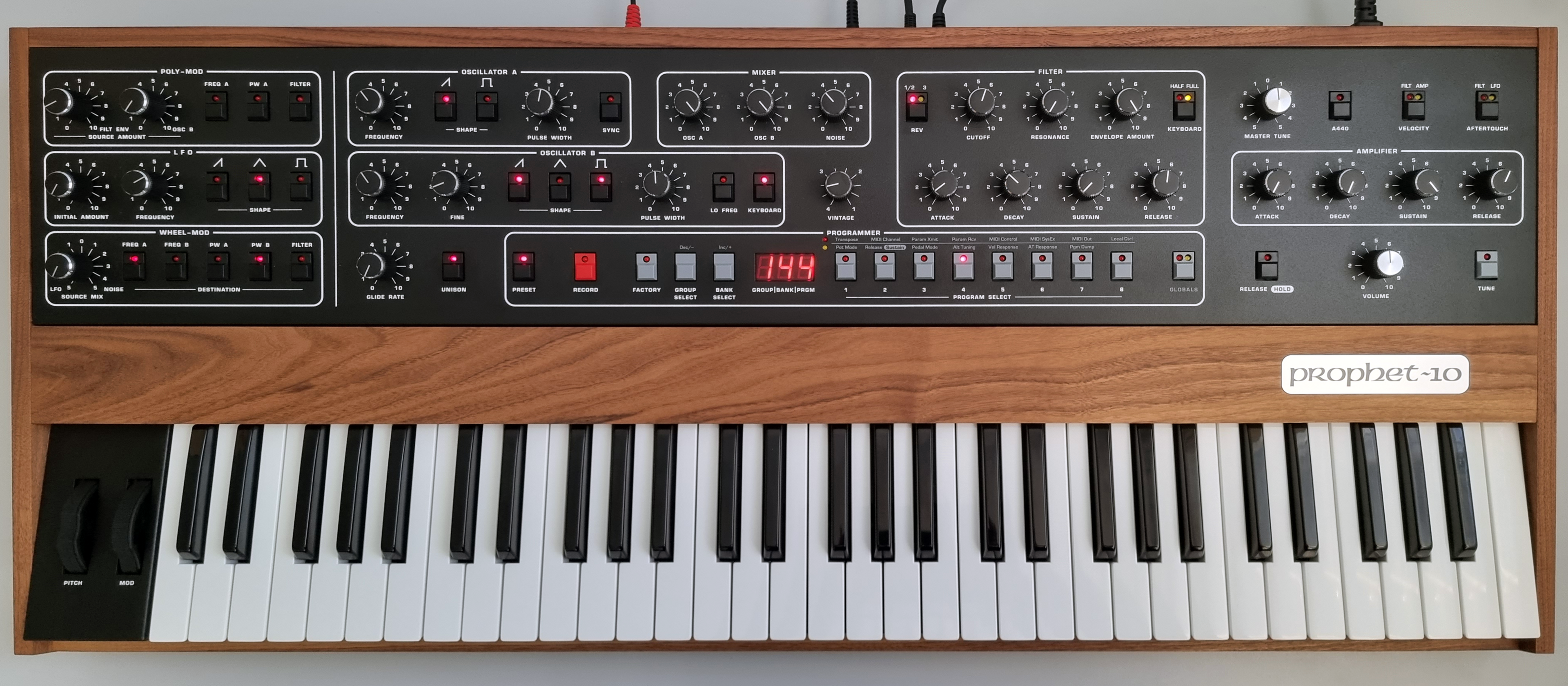
With this in mind, some people go even further by adopting a “no computer” approach. You guessed it: the idea is to produce music without a computer, or to limit it to a secondary role for export or mastering. This choice may seem radical, even restrictive. And it is. But it’s precisely this constraint that makes the approach interesting.
Unlike software, hardware imposes clear limits. For example, a monotimbral synthesizer can only play a single part simultaneously, whereas with a DAW, you simply open as many instances of the plug-in as you need. This can be seen as a hindrance, but these limitations force us to make choices and get down to basics. Reducing the number of options simplifies decisions and increases clarity. Fewer options often mean more focus. Of course, eschewing a computer is not a miracle solution for finding inspiration, creativity or finishing songs, but rather a response to real saturation. This direct relationship with the decision can be a real liberation.
Beyond these aspects, the return to hardware is a form of resistance to overabundance (even if this notion has to be put into perspective since the arrival on the market of a brand whose name begins with B). We live in an age of infinite choice, where owning ten thousand sounds is no guarantee of completing a single piece. On the contrary, this profusion often leads to creative paralysis. By choosing a specific machine, we accept its universe, its filters, its oscillators and its limits. You learn to master the instrument in depth, rather than skimming through thousands of presets. This deliberate simplicity allows you to focus on the essentials: melody, rhythm and emotion.
Digital fatigue
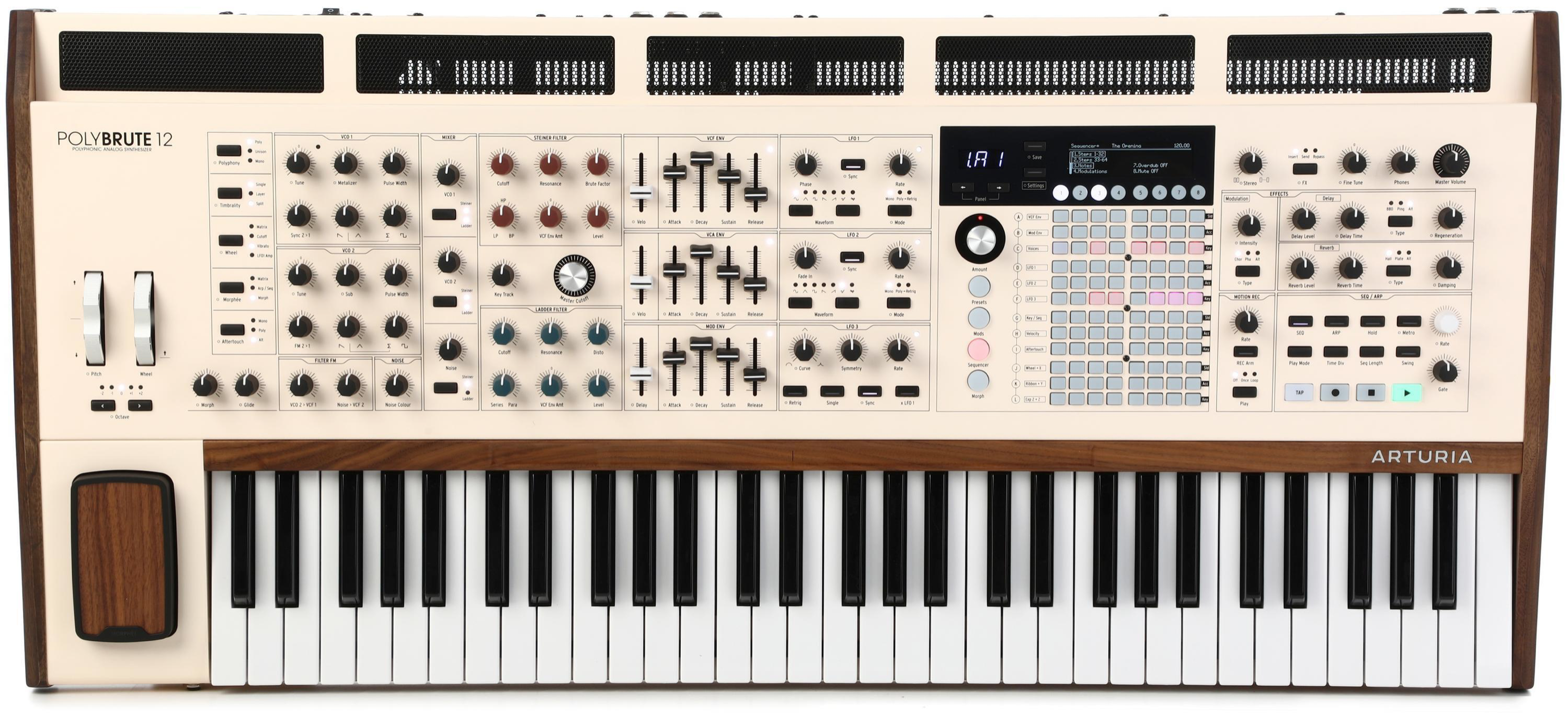
Hardware offers real disconnection, a sort of protective bubble. It’s a space where interaction is less virtual and therefore less abstract. This doesn’t necessarily make creation any easier technically, but the overall experience is often more gratifying. This is where the expression “playing music” comes into its own. For many musicians, this is the tipping point. Making music becomes a parenthesis, a suspended moment, no longer just an extension of time spent in front of a computer. We no longer look at a frequency curve; we listen to a sound. You no longer click on a volume envelope; you interact with it with your fingers. This mental break is often crucial to preserving inspiration over the long term.
Sound, as a tactile and physical experience
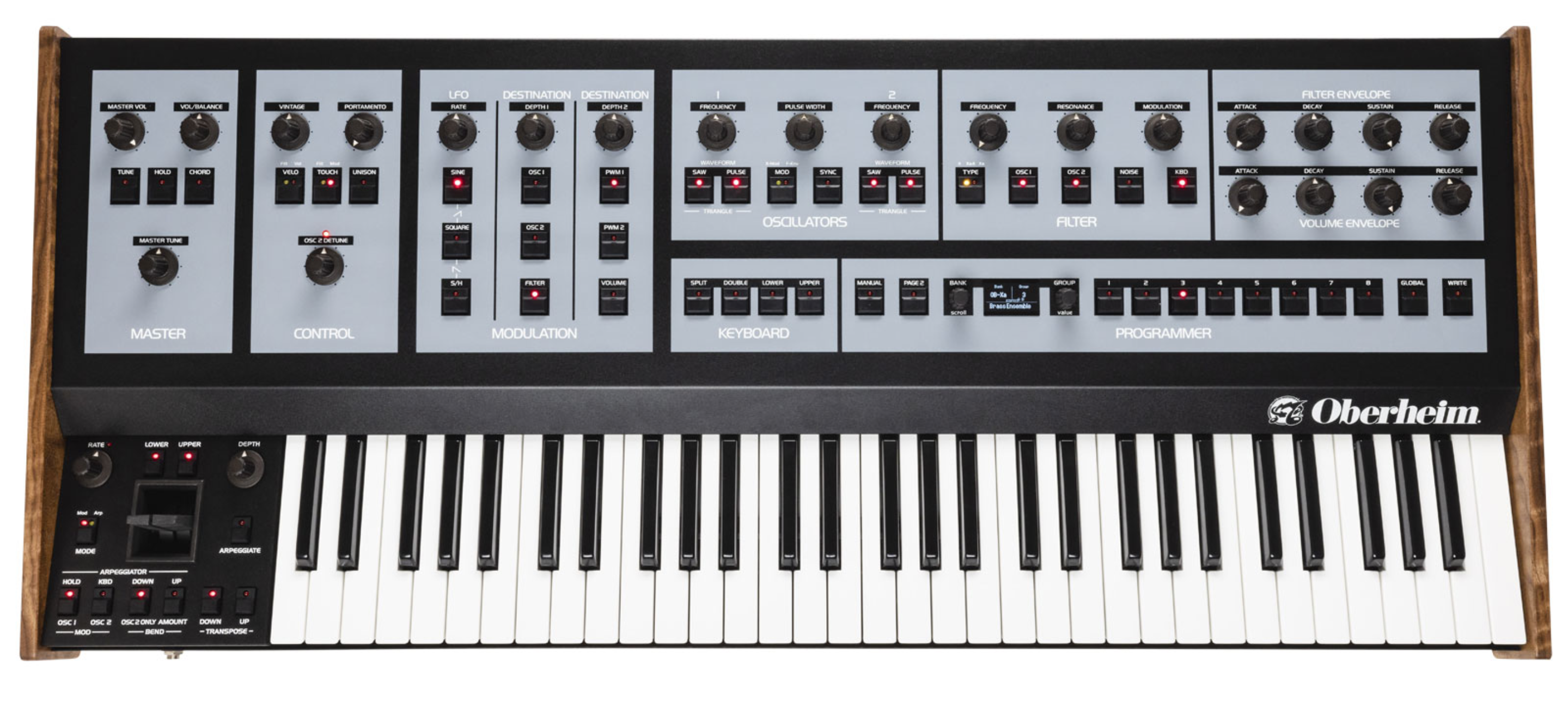
This doesn’t mean that hardware sounds better in any absolute sense. Today’s algorithms are incredibly powerful. But hardware is experienced differently. Often, having one function per button allows a spontaneity that software, despite all the controllers on the market, can’t match. You develop muscle memory with your machine, like a guitarist with their neck, making interaction almost instinctive.
This privileged relationship with the object transforms the tool into a genuine playing partner rather than a mere library of sounds. These straightforward ergonomics encourage exploration by serendipity. You turn a knob out of curiosity and discover an unexpected sound texture. These moments of serendipitous discovery are much rarer in the virtual world, where we tend to stick to beaten paths or use presets. The hardware invites constant physical interaction, which keeps the brain alert and playful. We don’t think in terms of parameters, but in terms of tactile sensations. The resistance of a knob or the travel of a fader becomes an extension of the musician’s arm.
Decision-making aid
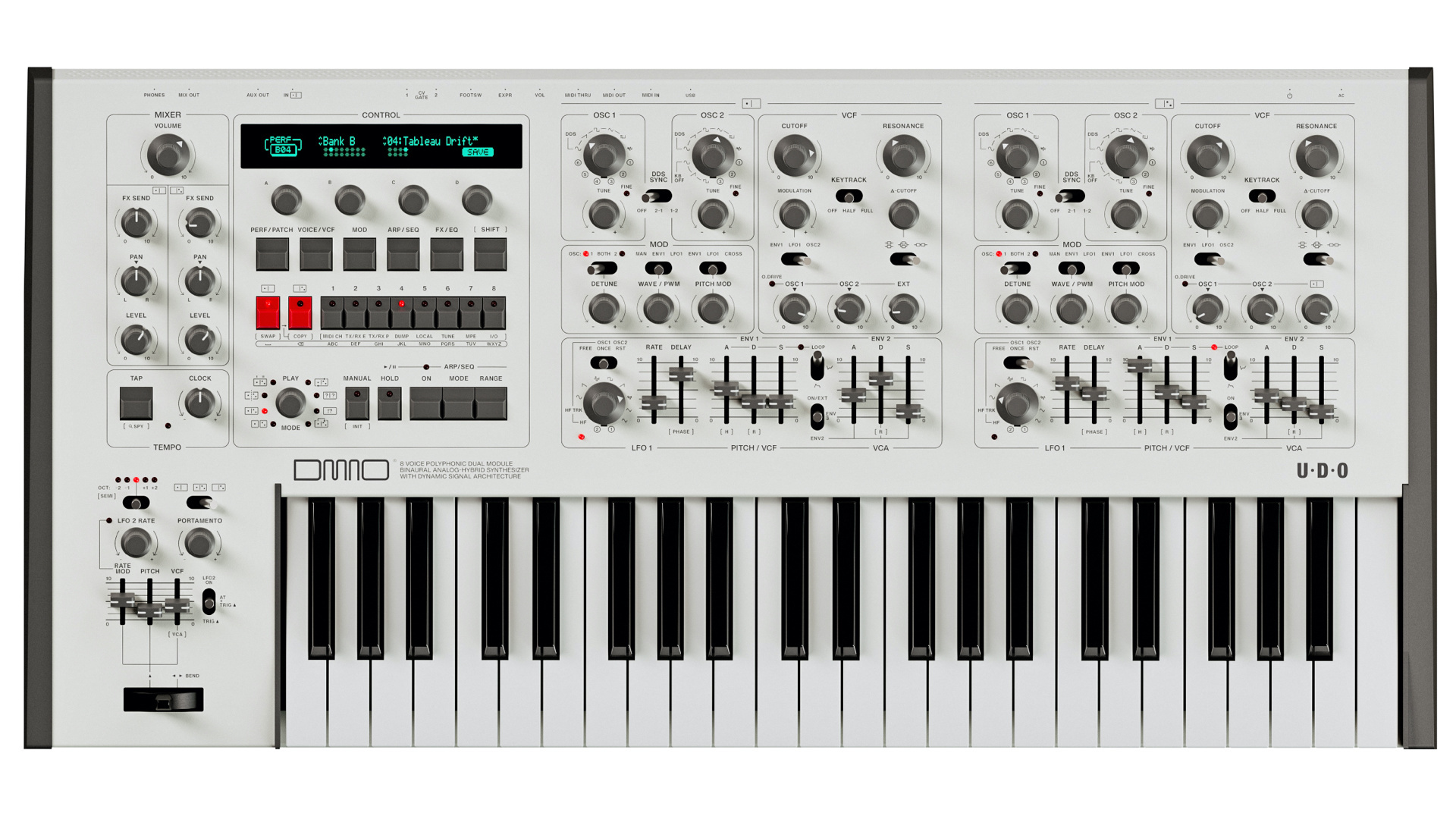
With hardware, this flexibility disappears in favor of firm decision-making. Unless you record everything in MIDI, when you lay down a take from a hardware synthesizer to your recording medium, the sound is frozen. You’ve made a choice. This allows you to move forward more quickly and not get lost in micro-adjustments that ultimately add nothing to the overall emotion. This commitment transforms the way you perceive the very structure of the piece. We build successive layers, each with its own identity, definitive and assumed. Instead of going round and round in endless menus, you build a solid work of sound, stone by stone. Over time, you learn to live with your decisions, which reinforces your confidence in your own aesthetic choices.
Imperfection and the happy accident
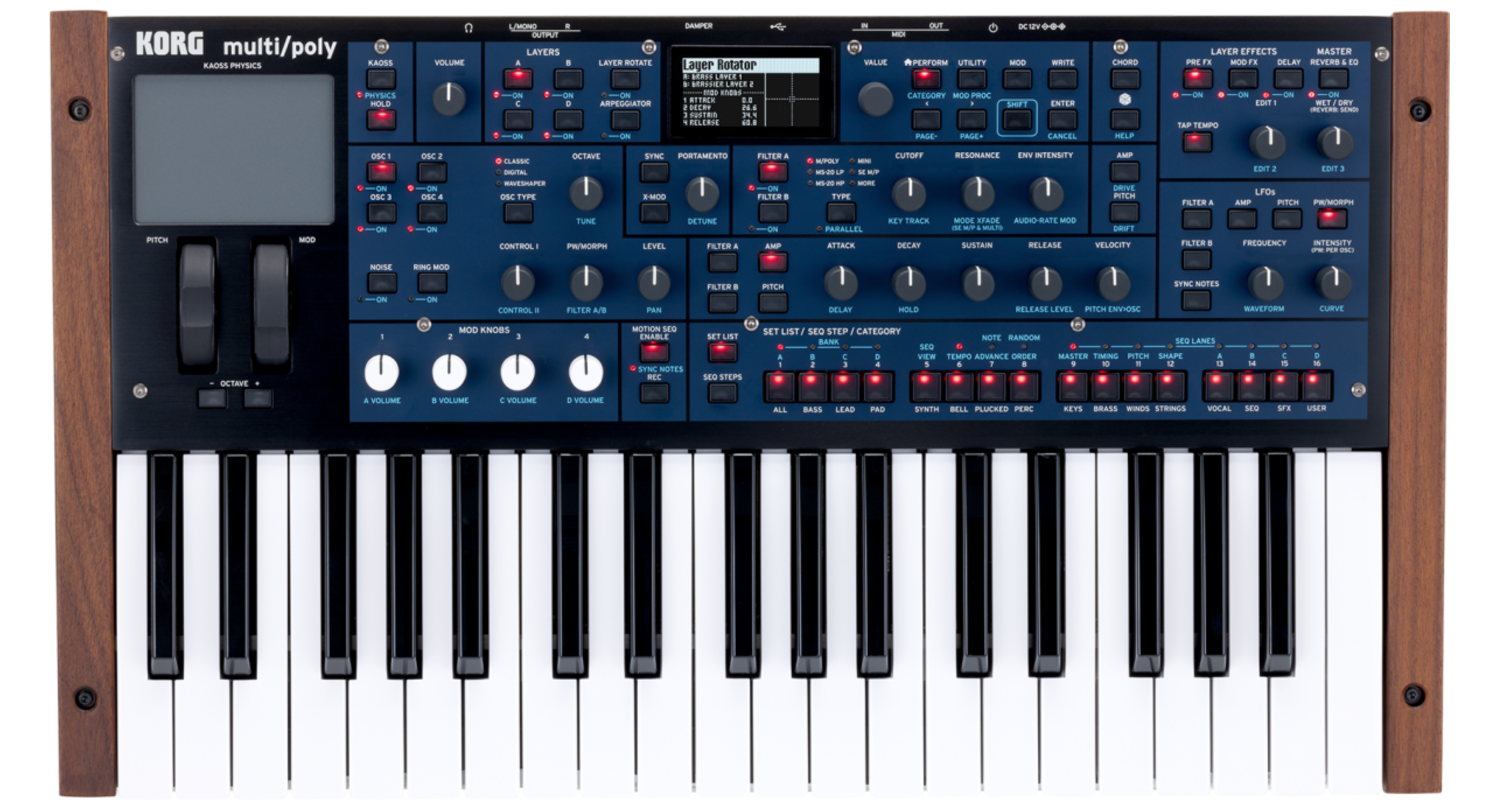
Even if software effects and features are designed to introduce variations and mess up the sound, hardware often does so naturally. Often, but not always. Where software generally seeks absolute precision and, above all, perfect reproducibility, hardware accepts a degree of uncertainty.
Working with real machines also means accepting a different relationship to time. We don’t always save everything exactly as it was. You don’t necessarily come back to the same thing the next day. Some aspects get lost, others evolve naturally. This is especially true with analog. In the end, the process is less reversible than on a computer workstation. This forces us to be more attentive and more engaged in the moment, because what happens under the fingers is sometimes ephemeral. Production time becomes a performance in itself, and not just a sequence of steps that can be undone ad infinitum with a keyboard shortcut.
The uniqueness of live playing
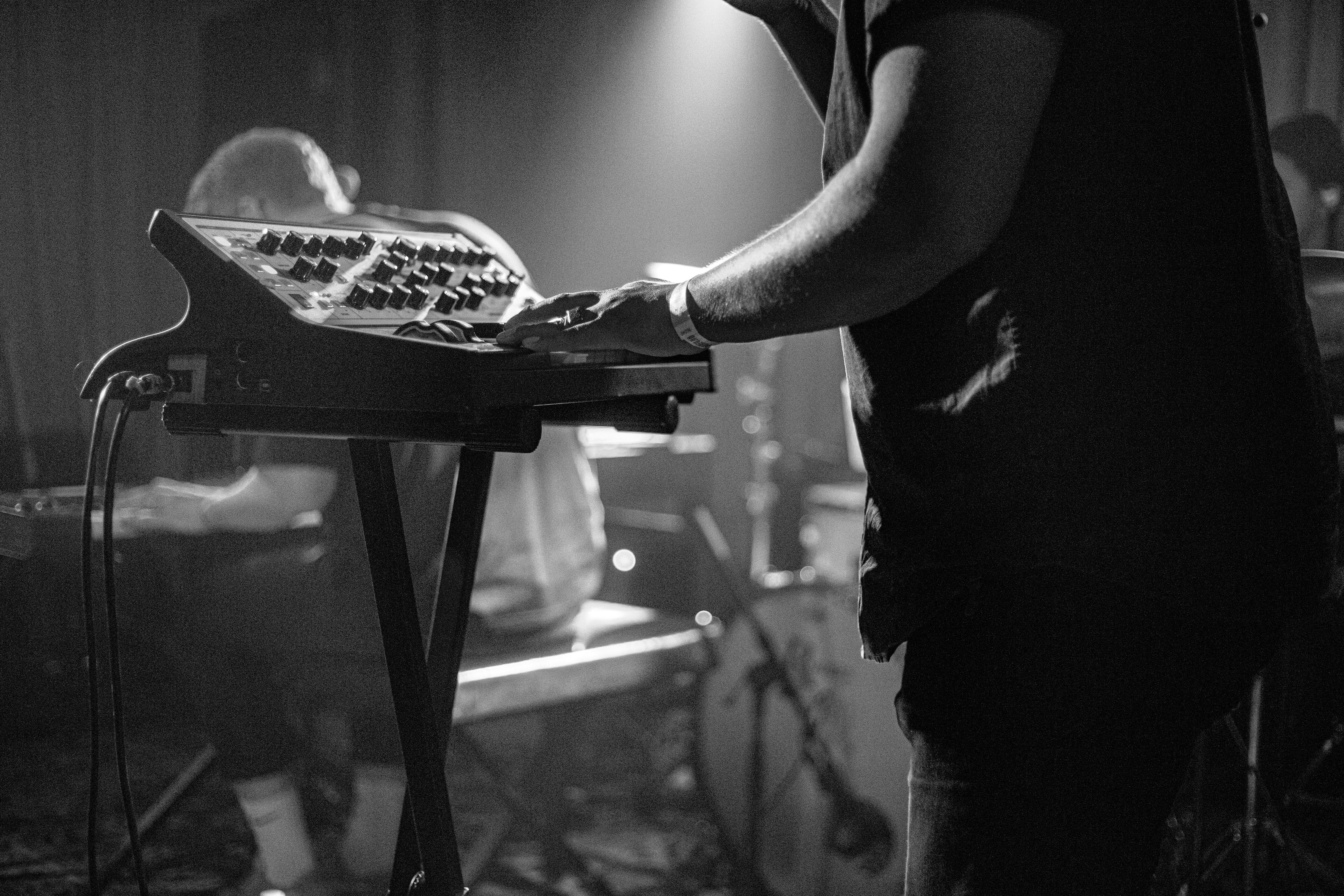
Gesture is an integral part of the show, making the action clear to the audience, who understand where the sound is coming from. The resulting visual identity becomes an essential part of the performance. In fact, many machines are designed with this in mind: direct access to parameters, intuitiveness and robustness. They allow immediate interaction without the fear of an operating system crashing in the middle of a song in front of a full house. That said, considerable progress has been made in this area, and serious onstage computer crashes have become rare.
Finally, one thing that is far from anecdotal: working with hardware often leads to the creation of a signature sound. A given setup fosters an identifiable identity because the machines’ characters complement each other, allowing you to develop your own language and aesthetic without constantly being tempted to download the latest plugin. The choice of synthesizer becomes more involved and heavily impacts the artistic identity. It’s an approach that’s often thought through, promoting greater artistic clarity and avoiding scattering.
An instrument keeps its value
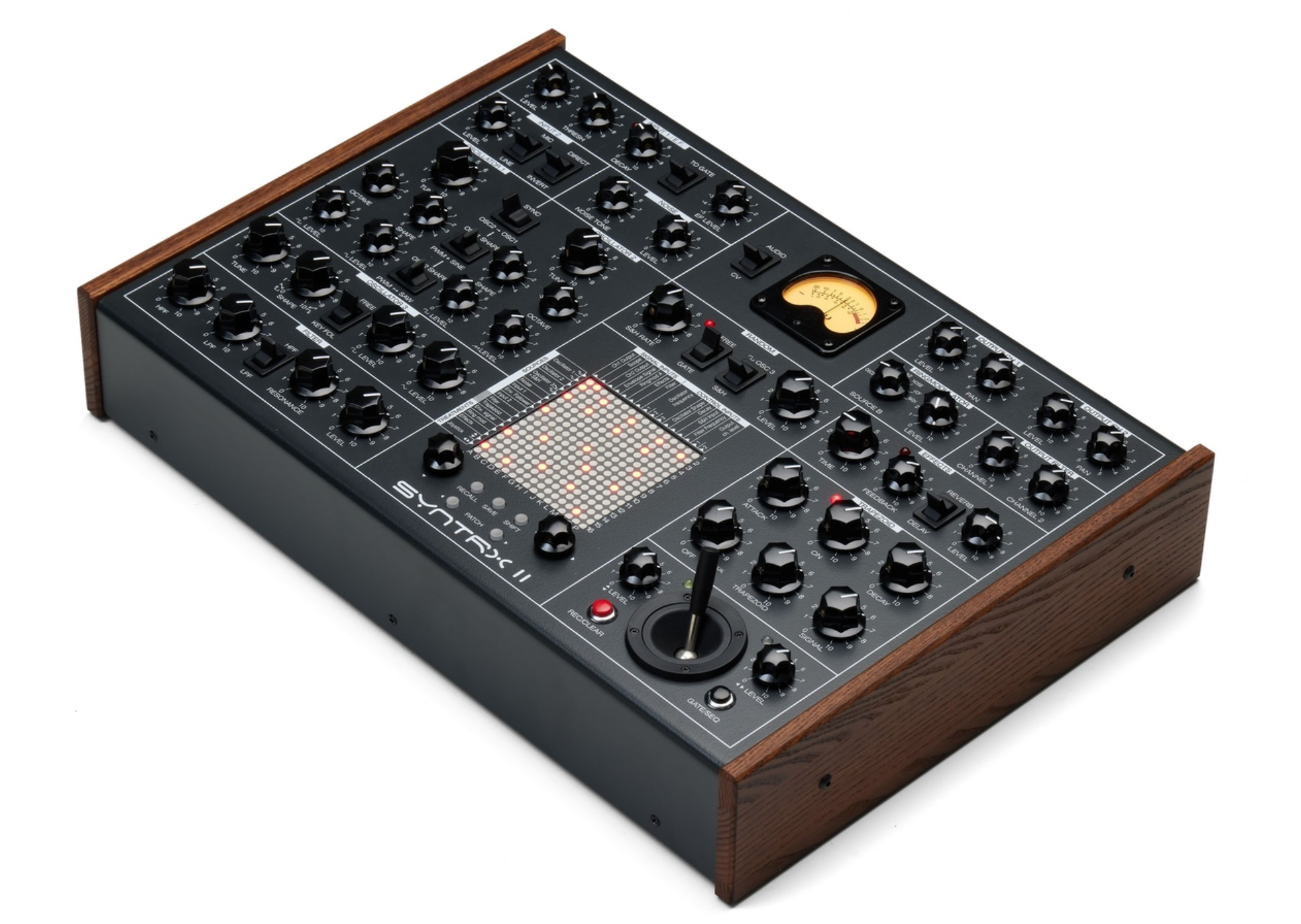
For many, investing in equipment is also a way to build a heritage of long-lasting tools. And don’t forget that you don’t buy software: you buy the right to use it, so it doesn’t really belong to you. With hardware, we’re not just buying a sound — we’re acquiring an object that has a physical existence of its own, independent of the evolution of consumer computing.
This is an aspect that makes hardware a long-term choice. You get attached to a machine. You know its background noises, the resistance of its knobs and the heat of its circuits. This emotional bond doesn’t exist with a file installed on a hard drive.
The social and community dimension
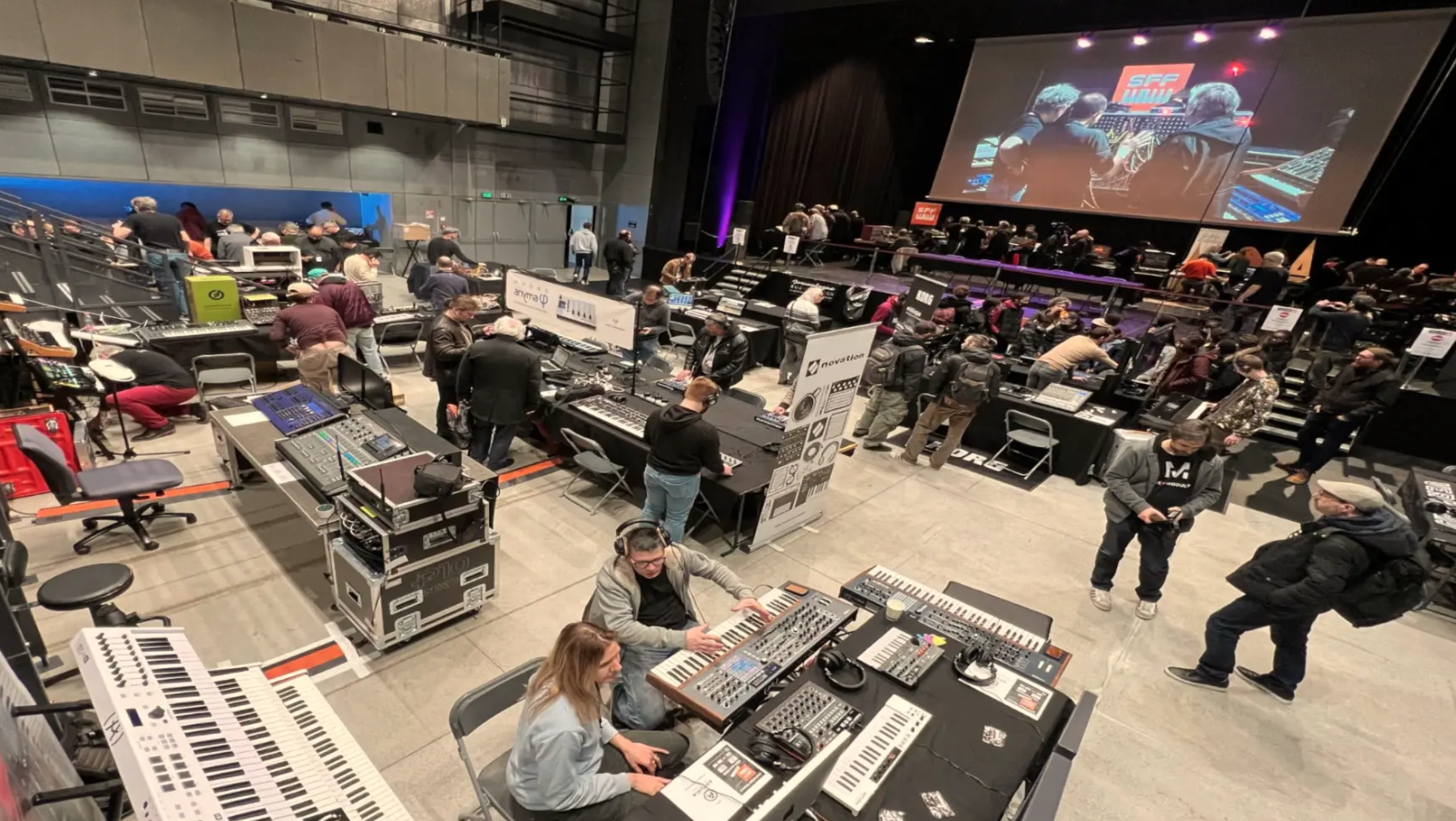
Forums and social networks abound with musicians sharing photos of their setups or discussing the texture of this or that synth and its components. It’s a living community that values human exchange and mutual support. This social dimension is also evident in the world of DIY. Many musicians build their own modules or modify their machines to obtain a unique sound or customized configuration. It’s a way of reappropriating technology rather than being a passive user of standardized software solutions. This creative effervescence around the physical object helps make today’s electronic music scene both dynamic and diverse.
This approach is also supported by a community of independent designers who build instruments that often have a strong personality. From modular synthesizers to small, hand-crafted drum machines, these machines are often the fruit of passionate research into sound texture. To own such an object is also to support a vision of electronic craftsmanship. It strengthens the bond between the instrument’s creator and the musician, creating a chain of passion that goes beyond mere consumption.
Towards a new era of material creation
In conclusion, the return to hardware is neither a passing trend nor a mere vintage fad. It’s a profound evolution in musical practice in response to the omnipresence of software. It’s the search for a more physical and rewarding experience.
By choosing the machine, we regain control over our time, our gesture and our sonic identity. Given the existence today of high-performance freeware, whether for instruments, effects or DAWs, this choice certainly implies a greater financial investment, but the benefits in terms of pleasure and intuitiveness are obvious.
Hardware is also becoming the preferred tool for those who want to escape the omnipresence of screens and give new meaning to their musical practice. In a future where artificial intelligence and simulation will undoubtedly dominate mass production, the physical instrument will perhaps remain the last bastion of human expression and artistic singularity.