Log in
EN
FR

Mesa Boogie Guitar Amp Heads

69 products found

Categories
Series
Filter
Sort by
Mesa Boogie
Evaluation
  • Reviewed or not
  • Editor’s award
  • Reviewed by Audiofanzine
Availability
  • Available or not
  • Sold new or used
  • Sold new
  • Sold used
Must-have products
  • All products
  • Flagship products
  • Best rated products
  • Hot products
  • Popular products
Price
  • Freeware
  • Low-cost (< $2,500)
  • Mid-range ($2,500 - $3,500)
  • Premium (> $3,500)
€
Clear
Sort by
  • Popularity
  • User ratings
  • Price - low to high
  • Price - high to low
  • Used price, increasing
  • Used price, decreasing
  • Name (from A to Z)
  • Name (from Z to A)
  • Added on
Choose a category
Selected category: Guitar Amp Heads
Sort results
  • Popularity
  • User ratings
  • Price - low to high
  • Price - high to low
  • Used price, increasing
  • Used price, decreasing
  • Name (from A to Z)
  • Name (from Z to A)
  • Added on
Filter results 69 results found
Brands
Evaluation
Availability
Must-have products
Price
  • Freeware
  • Low-cost (< $2,500)
  • Mid-range ($2,500 - $3,500)
  • Premium (> $3,500)
Show results

The best Mesa Boogie Guitar Amp Heads reviews

The reviews Audiofanzine members found the most helpful.
  • « Rectified!!! »

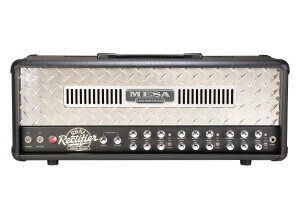
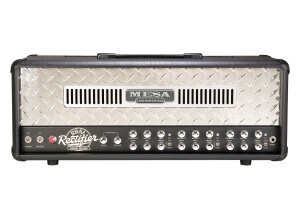
    Simply one of the most used and iconic high gain amplifiers in the world. Mesa Boogie first introduced the Rectifiers back in the early 90's. Since then millions of people have played these amps on stage or in the recording studio. These amps have a bit an unique tonal character to them that no other amplifier have ever done. They have a chewy fat distortion tone that seems almost as intense as the metal case to which houses this amp. This is a bad ass amp that will kick you in the teeth quite easily. This is the 50 watt version and hence the name single rectifer. Dual Rect you get 100 watt and Triple Rect you get 150. So here you get the same great features and tone but just a 50 watt version. UTILIZATION Single Rectifier 50™ "Series 2" FEATURES Handbuilt in Petaluma, California 50 Watts, Class A/B Power / 2x6L6, 5x12AX7 Bias Select Switch (6L6/EL34) Fixed Bias for Consistent, Maintenance Free Performance 2 Channels, 5 Modes (Channel 1=Clean or Pushed, Channel 2=Raw, Vintage High Gain or Modern High Gain) Independent Gain, Treble, Mid, Bass, Presence and Master Controls per Channel Output Level Control (over all channels) Footswitchable Solo Level Control - Patent 6,724,897 Parallel FX Loop w/Mix Control Slave Out 2 Button Footswitch (Channel & Solo) Slip Cover SOUNDS This amp is just awesome! I would say perfect but no amp is perfect. But for what this amp does and has done successfully now for decades is rock. This is a rockers amp to say the least. You won't play trash like Coldplay with this kind of amp. This is an amp for the person who needs the distortion channel to be so over the top and fat. I prefer to play all Mesa Boogies with a Gibson Les Paul or another guitar with a humbucker installed. That way I don't lose any of that fat chewy tone that is characteristic in this amp. Any guitar will certainly but there is just something that connects with a Mesa Boogie and a Gibson Les Paul. OVERALL OPINION At new these amps come in at around $1450, which is a great price for an amp that will probably out live you. These amps are virtually indestructible. They are build with such standards and quality that it would take a lot of abuse to dismantle this amp. I would recommend any person who need a great sounding high gain amplifier to check out this amp. It may not be your cup of tea but I guaranty that the first strum of the chord and you will be hooked.

  • « Sweet lunch box head. »

    This is basically the exact same amp as the combo but without a speaker. So you will need to hook this up to your existing speaker cabinet. All the same features and tone are available in this amp as you would find in the combo. What will Mesa Boogie think of next? These amps started out as great lunch box amps for the on the go musician. They have been so popular that now they are offering them in a high watt version and in a combo version as well. The tone of this amp is remarkable. With the ability to go from cleans on one side of the amp and kick it over to channel two with the option to have another clean or crunch and even high gain mode is fantastic. Mesa/Boogie TA-30 TransAtlantic Rackmountable Guitar Amplifier Head Features at a Glance: 2-channel all-tube head 4 x EL84 power tubes 6 x 12AX7 preamp tubes Multi-Watt channel assignable power amp with Duo-Class and Dyna-Watt technologies provides independent, channel-assignable 15/30/40-watt output Select from 2 power tubes operating in Class A mode (15W), 4 power tubes operating in Class A mode (30W), or 4 power tubes operating in Dyna-Watt Class A/B (40W) 2 fully independent channels with 5 Style Modes Channel 1 features: Normal (Brit Clean) or Top Boost (Brit Overdrive) modes with Multi-Watt power switch, FX loop and reverb assignment switch, as well as gain, treble, bass, and Reverb & Cut with Pull Master controls Channel 2 features: Tweed (American Clean), Hi 1 (Brit Gain), and Hi 2 (Boogie Gain) modes with Multi-Watt power switch, as well as FX loop and reverb assignment switch, Gain with pull boost, treble, bass, reverb, and master controls Fixed bias for consistent, maintenance-free performance Channel-assignable, all-tube, long spring reverb with independent channel controls Channel-assignable, fully buffered FX loop Channel-independent true bypass switches fully removes FX loop from signal path Optional second footswitch toggles reverb 2 x 4-ohm and 1 x 8-ohm outputs Fan cooled All-aluminum chassis UTILIZATION Details Type Tube Number of Channels 2 Power 15W Class A / 30W Class A / 40W Class AB No Effects Reverb EQ Treble, Bass No Amp Modeling Number of Tubes 10 Preamp Tubes 6 x 12AX7 Power Tubes 4 x EL-84 Inputs 1 x Instrument Footswitch I/O Yes Effects Loop Yes Width 17.25" SOUNDS The first channel is primarily the clean channel but if you give it a little juice you can get a nice Fender breakup and then take it even further for a sweet Vox Ac30 type tone. The second channle has a Tweed, High gain 1, and High gain two. It also has a boost function on the gain. You can turn this on an off on any mode. The tweed is a Fender type tone and the high gain 1 is a British type voicing. The final mode high gain 2 is more of the Mesa style lead and rhythm tones. One thing to keep in mind is that there is no mids for EQing. So you need to be happy dialing in your tone with only a Treble and Bass. OVERALL OPINION These are great little amps for the money. They aren't cheap but will give you an array of tonal options. At new these amps come in at around $1500. This might be a little on the high side for this amp but still a decent price for what it was. I would recommend this amp to anyone who needs a good gigging amp that will not be a failure on stage. This is a also a good amp for recording some various tones. The distortion is not going to be anything like a Dual Recto so if you think you'll get that tone then save your money. I recommend trying this amp out first because it is a bit different then the standard Mesa tones you have come to know. Plus the lacking of mids is a breaker for me on this amp. For the price Mesa has many other options that would be king over this amp.

  • « My favourite amplifier by my favourite company! »

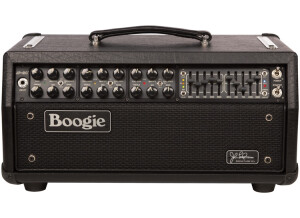
    The Mesa Boogie Mark V was designed by Randall Smith and the team at Boogie to take many of the classic sounds of Mesa Boogie lore (Mark I, Mark IIC+, Mark IV) and mix them with some other great tones (Lone Star esque cleans, slightly broken up British voiced crunch tones and some searing modern high gain sounds too.) Top that off with a myriad of features to alter the sound such as wattage selection, variac power mode, switching between tube rectifiers and silicon diodes, reverb controls per channel... the list goes on and on. The full list from Mesa is as follows: Simul-Class Power Amp (Patents 4,532,476 & 4,593,251) featuring Multi-Watt (Patent 7,602,927) and Duo-Class (Patent 7,173,488) technologies which provide three power and three operating class options that are channel assignable via 10/45/90 Watt Power Switches: Choose 2 power tubes operating in pure vintage Class A (single-ended), producing 10 Watts - 2 tubes running in time-honored Class A/B producing 45 Watts or 4 tubes running in Mesas legendary, patented Simul-Class Power that blends the best of Class A and Class A/B simultaneously to produce 90 Watts of pure tonal magic / 4x6L6 (or 4xEL-34), 7x12AX7, 1x5U4 Bias Select Switch (6L6/EL34) Fixed Bias for Consistent, Maintenance Free Performance Full Power/Variac Power Switch (Patent 5,091,700) 3 Fully Independent Channels with 9 Modes (Channel 1 = Clean, Fat or Tweed, Channel 2 = Edge, Crunch or Mark I, Channel 3 = Mark IIC+, Mark IV or Extreme) Normal/Bold Switch on Channel 1, Normal/Thick Switch on Channel 2 (Mark I mode only), Normal/Bright Switch & Pentode/Triode Switch on Channel 3 Each Channel features: Independent Gain, Treble, Mid, Bass, Presence, Master, Footswitchable or Auto-Assignable Contour Depth Control, Footswitchable All-Tube, Long Spring Reverb Control, Rectifier Tracking (Auto-selects Tube for all 10 Watt Modes, Diode for all 90 Watt Modes, selectable Tube or Diode for 45 Watt Modes on Channels 1 and 2, Diode for 45 Watt Mode on Channel 3 - Patents 5,168,438 & 7,193,458) 5 Band Graphic EQ is Footswitchable, Channel Assignable and Selectable between 1 group of 5-Band Sliders or 3 channel specific, variable depth Contour Controls Footswitchable, Channel Assignable or True Bypassable Fully Buffered FX Loop with Send Level Control (over all channels when activated) Output Level Control (over all channels when activated) Footswitchable Solo Level Control Patent 6,724,897 (over all channels when activated) True Hard Bypass Switch removes FX Loops, Output Level & Solo Level Controls from signal path Tuner Output w/Footswitchable Mute Slave Out w/Level Control Fan Cooled with On/Off Switch External Switching Jacks for Channels 2, 3 (channel 1 is default), EQ & Solo Aluminum Chassis New 4x4 - 8 Button Footswitch (Bottom Row: Channel 1, Channel 2, Channel 3, Solo Top Row: Reverb, FX Loop, EQ & Tuner Mute) It's a very versatile amp that promises to deliver a lot in the tonal department while retaining the feel that a Mesa amp should. UTILIZATION This amp, upon first inspection, looks to be almost impossible to dial in. There are three channels, each with a wattage selector (90w/45w/10w), a switch to turn the graphic EQ on or off (or assign it to be footswitchable), as well as a three way switch to select the channel mode (IE: Ch1 has Normal, Fat Clean, and Tweed modes). There is also one further switch on each channel to adjust something about the modes (IE: Ch1 has a "bold" switch). Each channel has 6 controls, gain, volume, presence, bass, middle, treble. Unlike many previous Mesa Mark series amps, there is no pull knobs for the channel. There is also reverb on the back with a control for each channel. Lastly there is a 5 band graphic EQ built in to further sculpt your sound to bring it to levels of sonic satori. It's very simple to dial it in once you know what you are doing. Channel 1 is your clean channel and works as such. It goes all the way from a crystal clear clean tone to a very gained out classic sound that is reminiscent of the old tweed Fender amps. The second channel has a decidedly vintage rock flavour to it. It goes from classic edge-of-breakup type sounds (think an older NMV Marshall, but a bit more modern) to classic JMP/800 esque crunch tones to the smooth and dark tones of the Mesa Boogie Mark I. Beware, this mode is very dark in nature so it can be a bit of an annoyance dialing that mode in to work with the other channels at times. The third channel goes from the classic L.A rock/metal tones of the Mesa Mark IIC+, to the smoother and more rounded sounding tones of the Mark IV to a searing modern tone that can only be classified as extreme. If you combine all these core tones with the various features that Mesa offers on this amplifier to adjust the tones and feel of the amp, you have what is easily one of the most versatile and best sounding production amplifier on the planet right now. SOUNDS I presently use this amplifier with a Gibson Les Paul Traditional Plus loaded with 57 Classic humbuckers. I can't really cover all of the tones that I get out of this amp, simply because there are so many. I can safely say that this amp would cover everything from jazz/blues to country to all levels of rock and metal tones. My favourite tones out of this amp are the Fat Clean mode (with bold switch engaged), the Tweed Clean mode (with the gain turned up to really juice the preamp), the Crunch tone on Channel 2 with the gain turned up for a classic seventies/early eighties arena rock tone, the Mark I mode with the GEQ OFF for a darker, slightly chunker vintage rock tone, and the Mark IIC+ and Mark IV modes on Channel 3 for raunchy eighties rock and smooth lead tones respectively. I generally like running the amp in variac power mode for a slightly spongier feel, similar to a pushed older Marshall but with tonnes of gain and the slightly bolder tone of 6L6 tubes. You can load the amp with EL34s though if you want to get one step closer to that British flavour. OVERALL OPINION All in all I feel this is probably one of Mesa's finest amps. It has a whole plethora of great tones for a while variety of musical styles, a seemingly endless parade of features to adjust the tones to your liking, and that classic Mesa Mark series feel and tone that I just enjoy so much (and keep coming back to). My first really good amplifier was a Mesa Boogie Mark III head, so I enjoy being able to relive some of the tones I got out of that. For the $2,100 or so new price that these are new, they are a FANTASTIC bargain. Absolutely worth it. The only other amp I would even consider in this price range would be a used Custom Audio Electronics PT (Pete Thorn) PT50 or PT100, which is still more $$$ and has far less features than this amp. Some people complain about this amp not sounding exactly like the classics... but the way I see it, it's a great sounding amp on its own regardless of what amps it's supposed to sound like. All in all this is probably the best amp I've owned to date! I give this my rare 10/10 rating!

  • « Legendary Mesa tone! »

    Mesa’s Mark IV is well known for its feature laden front and back panels, including - 85 watt simul-class power section, running either 4 6L6s and 2 EL-34s and 2 6L6s - 5 12AX7s running the preamp - Full and tweed power settings - Pentode and triode power amp settings - Simul-class and Class A power amp settings - Shared EQ for R1 and R2, with individual gain, treble, presence, and master - Individual EQ for Lead, with mid gain and harmonics voicing switches - Footswitchable/assignable graphic EQ and reverb, with one reverb level - Series effects loop with stereo outs for driving another power amp in a stereo setup - External switching jacks for all functions UTILIZATION The Mark IV surely is one reason why some label Mesa amplifiers as ‘hard to dial in.’ At first glace, the layout is not very intuitive, and numerous switches and even push pull pots add to the complexity of the amplifier. All these features were designed for a purpose though, and allow the Mark IV to be a VERY, VERY versatile and tweak-able amplifier. After spending some time with it, and learning the tonal response of the features, there are few sounds this amplifier is not capable of. The GEQ allows even further tonal shaping, and using it over each channel can allow up to 6 unique sounds at your command. SOUNDS The Mark series has defined a tone of its own in the high gain realm, and for good reason. R1 produces a very ‘fender-like’ clean sound, and when dialed properly, produces amazing results. The compromise comes between R1 and R2- dialing in the ideal clean sound may not allow one to use R2 to its full extent. After getting more familiar with the amp, however, I had no trouble dialing in a great clean on R1 and good crunch on R2. The lead channel defines the Boogie solo tone used by so many. It has plenty of mids, which has many users applying the GEQ for a warmer and sharper tone. Between the amps controls and GEQ options, one can dial anything from a warm, singing lead tone, all the way to CRAZY tight high gain rhythm tones. OVERALL OPINION Though tough to dial at first, spending more time with a Mark IV allows one to dial a vast variety of tones. It’s ability to produce very high gain tones, along with its legendary lead, makes it a real pleasure to play. Many players struggling with the ‘sluggish’ response of Mesa’s rectifier series find a very welcoming home with the tight tracking of the Mark IV.

  • « What a Rectifier should sound like! »

    This amplifier follows the original/simpler design in the rectifier lineage, featuring - 4 space rackmount design - 100 watts all tube, with 4 6L6s, 5 12AX7s, and 2 5U4GBs - 2 Independent channels - Voicing switch for high gain channel, between Modern and Vintage - Channel cloning to allow a second high gain channel instead of clean channel - Rectifier selection between tube and silicon diode - Bold and Spongy variac - Tube driven parallel effects loop - External Switching jacks UTILIZATION Physically, the rackmount design of the amplifier makes integration into big rigs simple, and gets the user all the features in a smaller package. The simple two-channel layout of this amplifier makes dialing each channel an easy task. As with most other Mesa Boogies, the interactive EQ can make dialing your specific sound a little more difficult than your average Marshall, though reading the manual, and having any sort of experience with other Boogies makes this an easy task. As with most of the rectifier lineage, the parallel effects loop can be difficult with many effects, causing tone loss, volume loss, and phase issues. If you use the loop, modding to series is also a quick job. Finally, channel switching is very quiet, contrary to the switching relays in the more recent 3 channel rectifiers, which usually cause horrendous pops. SOUNDS Here is where this amplifier shines. The ‘Racktifiers’ are held by many as one of the grail offerings of the Rectifier sound. While more recent rectifier offers are usually explained as ‘muddy’ and ‘fizzy,’ this amplifier carries none of those characteristics. Both modern and vintage settings are tight, bold, and HUGE; true to what made the rectifiers so prominent in the modern music scene. The low end is something to be experienced; even at extreme levels, the amplifier maintains it girth, and moves air more so than most others I have played. The clean is unfortunately nothing to write home about. With the channel cloning, channel 1 in vintage high gain can be used for a nice biting lead tone, and channel 2 modern produces the ferocious high gain for rhythms with plenty of attack and girth. OVERALL OPINION This is not a versatile amplifier. If you want many good sounds, look elsewhere. BUT, if you want THE best offering of Mesa Boogie’s Rectifier series, this is definitely an amplifier to hunt after. I ran it in a multi-amp rig with this amplifier covering my high gain rhythm, and the sound was nothing short of astounding!

  • « Mesa's take on a Marshall »

    The Mesa/Boogie Stiletto Ace is a different take on the Stage II Stiletto series. It features a different transformer inside of it which helps give it a different character. It is a 50 watt EL34 amp with two totally independent channels, multiple voicing switches, an effects loop, a variac switch, a line out and tons more features. UTILIZATION Mesa did a great job with packing everything into this amp. Although the biggest difference comes from the different transformer, it actually makes quite a difference. I'll get to that later. The amp uses high quality parts to ensure awesome reliability, so you'll never have to worry about breaking it when touring. The manual helps describe what everything on this amp does, how each control interacts with each others, suggested ways of dialing in the amp and so on. Mesa really has some of the best manuals on the market. It's a bit easier to get a good sound out of this vs the Rectifier or Mark series, I've found. SOUNDS The sound of this is pretty awesome. It has that almost modded Marshall feel but with a Mesa vibe. It can really scream, especially if you boost it. You can get that old school John Sykes tone or that Andy Timmons tone with this no problem. In fact, Andy Timmons uses this very amp. The cleans are nice on this, too. It has that old school British kinda tone going on in spades. OVERALL OPINION If you're looking for Mesa's take on a modded Marshall, this is the amp you'll probably be most interested in. Despite it being only 50 watts, it really screams. In fact, I find that helps make it sound a bit more "brown" than the other ones. It's packed full of features for just about any tone you can think of. Those of you who are full blown metal heads might not be a huge fan of this, but for that 80s rock/metal kinda tone, this amp can really deliver.

  • « New and improved recto »

    The Dual Rectifier has finally been revamped after all these years. For the longest time, people have been asking for two things -- Change the effects loop and make it tighter/less buzzy. They've done both with this amp, making it one of the ultimate rectifiers that Mesa offers. It features all the great features of the former Dual Rectifier, but this now has an improved effects loop, multi-watt selection, and probably more things I'm forgetting. UTILIZATION Mesa really outdid themselves with this amp. The features on this make it a truly versatile amp that should be great for nearly any style of music. You still need to know how the Mesa EQ works, but the manual does an awesome job at explaining everything. Mesa/Boogie manuals tend to be some of the best in the business. The effects loop is one of the much welcomed features of this amp. It's finally usable without a killdry. SOUNDS The sound is the category that everybody wants to know. Yes, the amp is much improved compared to the last one. It's tighter, and it's not as harsh as the last one. Where as the last one can get both flubby and a bit too bitey at times, this one is both tight and thick. My favorite way of running the amp is with a boost. This makes it even tighter and is great for that technical riffing. However, it's not just for metal. This amp is versatile enough to do most any style from blues riffing to some pretty decent midgain tones. OVERALL OPINION If you're on the market for a new amp, be sure to check this out. If you didn't like the last one, at least give this a try. Don't forget to boost the lead channel as well. The added versatility, improved effects loop and improved tone really make this like an improved Pre-500 Mesa/Boogie Dual Rectifier.

  • « A new Mesa - The sound and more important, the functions of this amp are just about perfect. »

    I had a rect-o-verb 50. It had outstanding sound quality. But I needed some serious downsizing and this seemed to fit the equation. It's the head version on a 2x12 cab. Light, small and packs a BIG punch. It is a new amp for me. The cleans are crisp, fat and warm. As with any Mesa, it takes some work to dial in. But once you do, wow. The second dirt channel is also very very good. A true Mesa sound. Add the eq and you can setup just about any sound you are looking for. And they all sound great. The only drawback would have to be the reverb. Although it is very good, it was better on the Recto. But 9 out of 10 ain't bad. 35w max. Not to worry. I've never had it above 5 even at the big bars. And if you need more, patch the XLR CabClone to the PA. It sounds as if it's mic'd. Now, on to the really good stuff. First, that Cabclone XLR output with 3 cab simulators is really nice. Second, It has a built in speaker load, you can play without speakers. But by far the best feature for me is the the dual switchable solo selection. A "look ahead" solo function allows you to set the solo ON on the channel you are NOT playing through. For example, there are songs I have to play the rhythm clean and then do a lead dirt solo in the middle. Set the dirt channel on, click on the solo for that channel, then return to the clean channel. When the lead is needed, simply click on the dirt channel and wa-la, instant dirt solo volume. Sweet. They are pricey. I bit it and got a deal on one.

  • « Mark, Set, Go »

    The Mesa Boogie Mark iii a mysterious amp to most. The lack of coverage on this model as compared to the rest of the Mark series amps has led many to pass on them despite being quite versatile. The Mark iii features three channels-- clean, rhythm 2, and lead. The channels share a global EQ stack but separate master volumes and gain controls. A decent amount of space is saved on the front panel by incorporating several push/pull functions to the dials. The amp features two individual bright switches, a deep switch, two shift controls, and the ability to toggle the channels via push/pull as well. A graphic eq is standard fare on most Mark series amps and is not left out here. Around back you have a direct out with level control, effects loop, reverb and presence controls, as well as a toggle for the simul-class power section. The look of the amp is very classic, the wicker grill on select models being a real eye-catcher. UTILIZATION The options for tone shaping on this amp are incredible for such a small package. Between the simul class control, the graphic EQ, and the myriad of push/pull functions, it is very easy to forget that this amp is so inexpensive. The Mark iii maintains excellent clarity at high volumes and is easier to dial than the mark V that I also owned. Build quality is splendid, I could see myself gigging with this amp without hesitation. SOUNDS I played through the Mark iii with a Gibson Les Paul Traditional. Mesa 2x12 cab. No pedals. The clean channel is alot like the mark i that I've tested. Very round and bottom heavy. This channel would suit players with tele guitars well, being able to tame the inherent trebles in such a guitar. It was somewhat dark with the Les paul but livened up with the bright switch engaged. Rhythm 2 was my least favorite, but was still a better sounding crunch than on other designs in the price point. Winding up the volume with the lead channel gave great results. The presence control around the back of the amp helped dial in the amount of aggressiveness I wanted. I was able to get both mellow lead tones and aggressive power chording with minor adjustments. The onboard reverb is plenty useable as well. OVERALL OPINION The Mesa Mark III amplifier may not be the most popular amp of the line, but is extremely good value with considering the versatility available. The going price for these on the used market is around $700. If you need a comparable feature set but desire updated aesthetics and sound quality-- you might look at picking up a Stiletto Ace for a mere $200 price jump. However, if you are on a budget and want the Mark series tone, this is all you need.

  • « Simple as pie »

    The Mesa Boogie Electra Dyne is a stark contrast to the Mark V. No graphic Eq. No myriad of toggle switches for finetuning. Instead, the Electra Dyne is a no nonsense 6l6 based rock machine. With that in mind, Mesa Boogie still brings smart features to the table. The rear panel boasts bias select for 6l6/el34 function, a reverb that can be bypassed from the circuit, as well as a gain trim control. An effects loop is also present. UTILIZATION With all three modes (clean and vintage LO/HI) sharing a single tone stack, I found it difficult to find a true tonal balance between them. If you like very bright sounding gain yet far bottom heavy clean, you may have to compromise in one area. The Build quality is very rugged. I did not get to play this amp in a live setting but I did play it at giggable volumes in rehearsal. It is plenty loud enough, even when running at 45 watts. SOUNDS Played with a Gibson Explorer. Mesa 4x12 cab. No pedals. The cleans are very pristine on the Electra Dyne. Wonderful sweetness in chords and the onboard reverb pairs very well with the naturally dark voicing of the amp. I felt the Vintage LO mode suffered at lower volumes. The Electra Dyne is an amp that needs to be turned up loudly to be experienced. Vintage high permitted decent rock tones, but lacked enough gain to really deliver in more aggressive styles. I believe that if using a boost pedal, the ED could make a passable effort. The Gain trim was a very useful tool but may take time for a user to find the potential of it. Running the amp at 45 watts and pushing the master volume is the key to getting the ED to growl. OVERALL OPINION I enjoyed the Electra Dyne immensely, but I found it to be a strange offering. The cleans are not quite as rich as on other Boogies and the dark voicing of the preamp may seem sterile to some. Without boosting the amp, it is not capable of fluid leads or high gain riffage. However, the amp does maintain great clarity at all volumes and would excel as a rock rhythm guitarist's amp. I do not believe you could get the full potential of the ED at home. What is it then? A sensible, gigging musician's amp. An amp for someone who wants to blend in a mix and not overpower it. Is it worth the price of admission? Yes.

  • « Mesa Boogie DC-5 »

    I'm just a budding guitarist. Been playing around 8 years and in that time I've done a few gigs. I'm into all kinds of music: rock, blues, jazz, metal, pop etc! Bought this amp second hand for £600. I was studying a performing musicians course at the time and needed an amp. Mesa have a huge reputation and my local shop had this one up for sale so I bought it! THE TONE! There is no end to this amp. Firstly you have two channels each with there own set of controls. As well as the gain, bass, middle and treble, they also have their own presence, reverb and master volume. The clean channel is up there with the cleanest of clean amps. You got crystal clean to warm jazz to edgy blues. There is also the pull boost on the gain just to crank things up a little. It has it all. The gain channel is pure heaven. Anything from rock to metal. Set the gain low and turn up the master to push the valves and I swear, pure tube tone. Set the gain high and its a wonderful liquid overdrive. It's so sweet. To top things off, you've got a footswitchable five band equaliser. If you want to add more colour to your tone then use the eq for a more tonal spectrum. You couldn't be happier really! My only little niggle about this amp is that the pull boost on the clean channel is not footswitchable. It's ashame really because it offers a completely different sound and would be useful to have when needed. I dont want to have to turn around durin a gig and pull and push the switch when needed. Other than that, nothing at all. The amp is well built, like a tank. The reverb unit is wrapped up and tied down in the back of the amp. Kept safe unlike some amps. I haven't had a problem since I bought it. That was well over a year ago. You want tone, here it is! These amps were built around 1992/3 - 15 years ago. I played through a mesa boogie combo (i think it was the F series) a few months ago in a shop on Denmark Street in London and I was disappointed. I mean really disappointed. My DC-5 blew it away!!! If you ever get the chance to buy one, do it, you wont regret it. They don't cost the earth and it's ironic really, because mine is priceless to me! This review was originally published on http://www.musicgearreview.com

  • « Mesa Boogie F50 »

    Been playing guitar for 22 years in original and covers bands. My musical tastes range from ZZ Top to The Feeling. So there's a vast range of styles I like and therefore cover with my band. I went to a local store in Cardiff, UK call Cardiff Music with the intention of trying out a Mesa Boogie for a band mate. I bought it, he didn't. It cost £1000 on the button. I part-exed my Marshall AVT 150 too which helped as I wouldn't have been too worried if the Marshall had been stolen it was so poor. The F50 seemed so full of energy. The amount of air the speaker moved just took my breath away. The lack of effects didn't worry me because I had an idea of what effects I wanted anyway. The dirty channel seemed like overkill on first impression but I knew I would learn to control it to my liking. I also like the relative small size of this combo and even convinced myself that it wasn't too heavy. Actuall it is heavy but the small size makes it easier to handle than my old Marshall. The contour control is a good feature for a lead lift. The quality amp cover is a major bonus and the whole customer package is really good. The foot control is total crap. The LED arrangement doesn't really tell you enough about what's going on. Changing channels sometimes leads to embarrasing mishaps making people think you're a complete amateur. The valve grill on the back of the unit makes it impossible to get the mains lead and pedal lead back into the pouch. The speaker is way too hard sounding and gets you down after a while. The unit is solidly made and a good size. I've never worried about the strength of the carry handle but mostly use a trolley anyway. This amp has been ultra reliable. I still have the original valves after two years. Other models of Boogie seem to need regular re-valving. It must be said that the valves are pretty unremarkable and neutral sounding but rather than spend countless hours changing valves I changed the speaker. I put a handmade 50 Watt Weber in it which took about 12 hours to settle in. Now this amp is the sweetest sounding amp I've ever owned. As a note of importance, I cannot find a single overdrive or distortion pedal that seems to work as I'd like it to with this amp. That's a major issue for me so I am kind of limited to using the amp's drive only. This amp has a treble boost pull pot on the clean channel. You'll never need it as the amp, if anything is too trebly and not bassy enough. It's worth mentioning that I will probably never buy another amp again. This one's just too good to let go. This review was originally published on http://www.musicgearreview.com