Log in
EN
FR

Gibson

2092 products found

Categories
Series
Filter
Sort by
Evaluation
  • Reviewed or not
  • Editor’s award
  • Reviewed by Audiofanzine
Availability
  • Available or not
  • Sold new or used
  • Sold new
  • Sold used
Must-have products
  • All products
  • Flagship products
  • Best rated products
  • Hot products
  • Popular products
Price
  • Freeware
€
Clear
Sort by
  • Popularity
  • User ratings
  • Price - low to high
  • Price - high to low
  • Used price, increasing
  • Used price, decreasing
  • Name (from A to Z)
  • Name (from Z to A)
  • Added on
Sort results
  • Popularity
  • User ratings
  • Price - low to high
  • Price - high to low
  • Used price, increasing
  • Used price, decreasing
  • Name (from A to Z)
  • Name (from Z to A)
  • Added on
Filter results 2,092 results found
Evaluation
Availability
Must-have products
Price
  • Freeware
Show results

The best Gibson reviews

The reviews Audiofanzine members found the most helpful.
  • Bonnie Scotland's review

    It came installed from factory on my Gibson Sg Standard. I got it as a family present this last July. I didn't know this product, but I found it really useful at first. First point: In terms of tuning, it's better if you tune two times, because the first time it's not that precise, even if it's not bad. The second point is more important: The tuners are very fragile, so you need be careful when you change strings. But that's not all, twice I've had a tuner blocked while simply tuning. I haven't had the time to change strings. I play open tunings a lot, so I use the tuners quite a bit, but this product is made for that, isn't it? So, replacing the tuner in question poses not a problem, because they can all be taken off independently. But finding the tuners for this system is a job in itself and I'm still not done! If I had to choose today, with the little experience I've had with this tool, I would go for classic and manual tuners, given their fragility and price! I think they are inadequate. If the system works it's great, but if one of the tuners gets blocked, then it's game over, you won't be able to play your favorite instrument.

  • « Gibson J15 »

    The size and format are the same as a J45, but the features differ: The top is made of solid Sitka spruce Back and sides in solid walnut - the back is especially beautiful Maple neck, rosewood fingerboard and walnut bridge Mini Grover tuners LR Baggs Element pickup & preamp The guitar looks simple, except for an abalone circle around the soundhole. I find the pickguard rather ugly. The bridge is rather small and seems lost in the middle of such a big body, let’s hope that it’s sturdy. I got this guitar almost new, as its original buyer had only had it for weeks before he decided to trade it for a Larrivée I owned. The guitar’s action is a bit high, but the neck is straight and the slight V profile suits me well. The instrument sounds powerful, with nice lows and highs that are both present and smooth, so far I found the mids quite discrete. In the past, I used to own a 1973 J45 (not so good), a 1990 J200 (which sounded great with a pick), but I chose this J15 for its walnut construction and I’m satisfied by it as I now only play using my fingers and this instrument reacts very well to fingerstyle play. The LRBaggs is rather basic but does the job, as long as it’s associated with a goor amp or preamp. Value-for-money is rather good, and building quality is flawless.

  • « Gibson’s sound and legend are not so expensive. However... »

    Hi all! Let me share my opinion on this Gibson which i’ve now been a lucky owner for a little over a month. The overall presentation of the guitar can be found almost anywhere else, so I’ll concentrate on what its pros and cons are, at least according to me. So let’s start with the good news: - I really love the satin goldtop finish, so the color is really beautiful, nothing to find fault with in that regard, and the natural wood color, satin-finished back andneck are also beautiful (please note that the headstock is also in a satin finish). - The black pickup covers, machine heads and toggle switch really get along well with the goldtop finish. - The 490R and 498T pickups are Gibson’s legendary set, which is also to be found on the Custom model. The sound is here, nothing to say about it! I’ve used in in the studio (DI) and with amps (Fender Blues deluxe reissue and Marshall JCM double stack), it sounds incredible! No doubt abouth the sound, this can only be a Gibson! =) - The machine heads keep in tune, no problem. So here are the good points, and soundwise I’m very, very happy with this guitar! Now, let’s get to the not-so-positive points: - the finish is only so-so… I’ve seen worse, but the lack of a binding mcaused the goldtop finish to spill slightly at the cutaway. No catastrophe here, but not a good publicity for the brand either… - the 3-position switch often causes a small “poc” noise in the amp when you use it to switch the pickup position… If need be, you can have it repaired or even changed. - Gibson’s “protection” softcase is rather shitty, not well-thought and really unpractical. I’ve owned Tobago softcases which were way better than that. :8O: But that’s still a way for Gibson to spare money, considering a Gibson flycase costs in the 150€ range. It is also to be considered that the – less expensive – Gibson Les Paul Junior comes with a hardshell softcase, so, what’s going on!?? Well… - and finally, the one most problematic point: THE SHITTY QUALITY OF THAT GIBSON LACQUER!!! Yeah, sure it looks good… but I’ve only owned it for a little over a month and the lacquer is already starting to chip on the top, right under the pickups O.O (just where my right hand’s last two fingers rests on the guitar when I play). First this had caused the finish to shine, but now the lacquer has gone away and I can almost see the top’s maple wood!!! And I’ve been a guitarist for over 20 years and own several guitars, which means I’m in no way playing exclusively this one. If that were the case, I guess that would have happened in a mere fortnight... :8O: Oh, yeah, also I forgot to mention that this model comes without a pickguard which would have prevented the lacquer from chipping away there :oops2: (well, OK, when there’s one I always take it away, I hate playing with it ^^). This is really penny-pinching! Just as the lacquer’s thickness and quality… I know what you’ll say, it’s a thin and soft lacquer which allows the wood to breathe and so on, but I’ve owned another Gibson (a 2004 Les Paul Classic with honeyburst finish with a normal gloss finish which cost me 2000 euros) for over 10 years and it still looks brand new, which didn’t prevent the sound from getting better with time! And it’s seen many a rehearsal, show in violent and muggy situations, tours in a hot car, truck, train and so on… And it’s still like new…! So, what’s the reason!!!??? I can even add thay I also own a 1994 cherryburst Epiphone Les Paul Standard with a “normal” gloss lacquer, which is also like new!!! And it’s seen even more than my 2004 Gibson Les Paul classic..! That’s just crazy!! I bet that within a few months, my goldtop will be looking like an overused vintage guitar from the 60s… So no problem as to its sound, this guitar is great..! vI’m currently recording an LP with it and it sounds awesome! (almost better than with my 2000 euro 2004 Les Paul Classic!! :8O: ). But as to its finish, the manufacturer’s penny-pinching policy (such as the pickguard) is really what I’ll call f***ing up… for a guitar which costs almost 800 euros, it hurts! So, I’m satisfied with it, but I had to say my discontent as to this Gibson lacquer problem (sure it DOES let the wood breathe, as there’s almost no lacquer at all…) An advice if you’re after one (granted, it was a 2013 limited edition which is now almost impossible to find but who knows ^^): - put a Les Paul pickguard on it, or have it installed by a repairman as it takes drilling two holes for the screws in the guitar’s body. This way you’ll avoid what I’m going through… - Take great care of it using a Gibson polish and other cleaning products from them - Buy a solid flycase to protect it when travelling or storing it (or you can make one yourself like I did, buying parts from Conex) It’s a great guitar with a beautiful finish, but which is too fragile… I don’t regret buying it, but I have to find a way to stop this lacquer from wearing out (and hide the result from it) under the pickups (having the guitar relacquered would cost at least two-third of the guitar’s price :8O: )

  • « LES PAUL CLASSIC »

    Disclaimer : I’m writing this review although I’ve only owned this instrument since September 30th, I’ll come back to edit it in the future with a little more perspective. Ergonomy : it’s a LES PAUL with traditional weight relief, which still makes it a rather heavy guitar. Like all LES PAUL it’s not comfortable to play sitting, a strap is required or it loses balance. The new neck slides very well, very easy to play. What surprised me is the very, VERY LOW action. And no buzz!!! It will take me a little time to get used to it I guess, as I’m used to higher actions. The fingerboard is soft, seems like it’s been waxed or something. I like this flat neck, not really rounded in the back, it reminds of my first, Korean-made EPIPHONE NIGHTHAWK. Gibson claims it to be a SLIM TAPER 60 profile but I own two other guitars with that neck profile and they’re obviously not the same. The neck is wide, a real pleasure to play bends. Pickups are very close to the strings, especially the bridge one. The Stop Bar is very high. The Vintage Cherry finish is PERFECT. Beautiful binding. The top is not exceptional but it looks great. The lacquer’s not sticky – great! The volume and tone knobs seem a bit light, shaking quite a lot when splitting, I’m afraid they won’t last long. Time will tell. G Force tuners. A great thing to me, but I’m gonna be called a heretic… Anyway, one must admit it does the job in an impressive manner. Unlike other users, I didn’t have to change the strings, they are fine and match my usual (regular) gauge. No problem getting in tune. Yellow-brownish case… ‘nuff said: Gibson is a real contender for a bad taste medal. At least, it seems sturdy. CLEAN SOUNDS: splitted, the 57s sound good on my Fender amp’s clean channel, doesn’t sound as bright as my STRAT but not bad, I’ll give it 7 ouf of 10. Special kudo for the mid position, not exaggerated. Rhythm sounds CAN be considered – for real. CRUNCH SOUNDS : I love the neck pickup, it sounds deep and fat, it’s not sharp but that’s not what he’s expected to be anyway. In the mid position, you’re starting to get a little more precision and highs, starting to boost. In bridge position, lower the highs, sound is a bit shrilly for my taste. OVERDRIVE : watch out ! A real kill, and an overkill with the BOOST added. Everything gets sharp, deep and biting. Great ART. The LES PAUL sings, harmonics whistle, BEAUTIFUL and quite hard to describe. Special kudo for the neck pickup which I didn’t expect to be that good. The bridge one is VIOLENT – be warned! THE FINAL WORD : to me this 2015 edition is just exceptional, the appearance is good but nothing special, yet the whole keeps its attractive features and even adds some (G Force). In my opinion, it has one of the best value-for-money on the market, especially when considering resale price.

  • « Just plain irresistible! »

    I use it with a Toneking Imperial and a blackstar Ht1R. I mostly play blues, rock and Jazz with it. It’s just excellent for theses styles. The satin GoldTop finish is up to anyone’s taste, I really love it. The P90s pickups sound awesome, I can’t believe mye ars. To me, these single coil pickups sound way better than the Casino Elitist’s doghears. As a fan of my Gibson 339’s 50SR / 50TR humbuckers, I find these pickups particularly expressive in clean sound and very, very convincing on crunch and overdriven sounds. The bridge and neck pickups are just plain great to me. Plugged on a small 1-watt Blackstar amp, it’s already terrific. On the ToneKing… I’m left speechless! The sound is very organic. It twangs really hard, even though the word is usually reserved to describe the Telecaster sound. Its “Slim 60” neck is very comfortable to my average-sized hands. I immediately felt at ease playing it. You can feel the paint won’t last long. But it’s almost new, and that ain’t a problem to me considering the instrument’s sound. It’s very light, which isn’t to be taken lightly when you play for several hours. Apart from the paint, its main cons is its tuners. They don’t keep the guitar in tune very well. I’m to replace them very soon. Overall, it’s a really comfortable instrument with a great expressiveness, for a used price which is quite reasonable. I’ll put 5 stars to it as the most important is here. I recommend it with no hesitation. It’s comfortable and generous, with a guaranteed thrill!

  • « The timeless Explorer series »

    You're bound to either love or hate it. It’s heavy and conspicuous, not the kind to leave people indifferent. Two series: 1. Gibson Explorer II : made of either American walnut or maple. You’ll easily recognize its side chamfers and colored border on the edge. Some variations with an extra color: green, white, blue, black, transluscent red and various sunburst finishes. 2. Gibson Explorer E2 (CMT): chamferless mahogany body, white binding, and most important a one-piece maple top (CMT = Curly Maple Top). The neck is not reversed – another difference with the Explorer II. Available colors include cherry sunburst, tobacco sunburst, transluscent red and natural. Both series feature a golden hardware, a TP-6 fine-tuning bridge, a black pickguard, an ebony fretboard, 2 x volume and 1 x tone controls and two DirtyFinger pickups. Black or brown case included. It delivers a heavy, typical sound. Clean sound is nice, but the guitar really expresses itself in crunchy-to-heavily-distorted sound registers. Its wooden construction, electronics and instrument finish are all high quality. It perfectly stays in tune! Not a real collector’s item, not that much sought after but still rather rare. These series sold moderately from 1979 to 1983. They never were reissued after that. Used price ranges from 800€ to 2000€ depending on the instrument’s condition. Explorer sales started to roar with the 1984 model that features a simpler style, no pickguard and a much more reasonable weight… The one FB reference page : https://www.facebook.com/GibsonExplorerII/

  • « Hottest of the Burstbuckers »

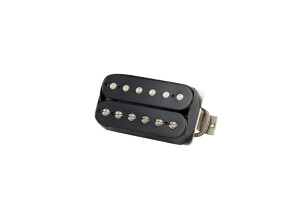
    The Burstbucker is one of Gibsons more recent pickups. Like just about all of their pickups it is a PAF copy. I guess it is more of a PAF copy than the other pickups they have made in the past 30 years. It was first sold in Japan to old Gibson collectors. There are 3 versions of the pickup to represent how bad the build quality and inconsistant the old Gibson factory was. The Burstbucker 1 is underwound and has a low output. The Burstbucker 2 is a lot like a Classic 57 and has a medium wind. I guess the 2nd one is the most accurate of the 3. And the Burstbucker 3 which I am reviewing is the hottest of the 3 and is pretty much a bridge only pickup. The pickup has Alnico2 magnets for a more vintage style tone. With gain the pickup has that thinner vintage pickup sound. It is not super full sounding under gain like a modern high end pickup. These pickups like just about all Gibson pickups have a more classic rock voicing to it. With medium gain it has good spank to it. You can get a real stinging blues tone from the pickup. The clean tones are of the more twangy kind. Since this is a bridge pickup you get more of a trebely sound from it when playing cleans. If you like twangy cleans you will like this pickup. If you are into smoother cleans you would be better off using your neck pickup whatever it may be. If you are looking to make your guitar sound like a good old Les Paul you might as well use what Gibson is using. This is that pickup. To have the new Gibson sound this is your best bet in the bridge position, the Burstbucker 3.

  • « Legendary sound has a price »

    HOW I USE IT : essentially on a Roland Cube 80 amp for genres ranging from blues-rock to jazz through fusion. In all cases, I use a light to very light distortion, a little reverb and sometimes chorus. A few weeks ago, I started to use it with flat top strings. INSTRUMENT QUALITY : In spite of all the nostalgic stuff you can read these days about Gibson's current production, I find it really beautiful. Its top and fingerboard are great, the electronics is trustworthy, the neck is nice to be played. The light body is a great idea to my taste as the instrument is heavy enough already. I like the double/single coil switch featured on this model. I also appreciate that the pickguard is not default on this model - it avoids holes being there when you don't want to use one to take full advantage of the top. SOUNDWISE : A mellow and warm sound, really full of harmonics in the mids with a long, long sustain. This is what Gibson's reputation was built on, and to my taste it remains unique to this day. Other brands provide LP-inspired models, but none really approach that one sound. This alone justifies buying it. But this sound also has backdraws though, with a lack of high harmonics which makes it necessary to choose your amp very carefully. OVERALL: Cons : high notes acces (there are not many doublecut models around), and of course its price. Pros : its sound -well, I meant THE ONE sound-, and the aesthetics. Since I'm more and more attracted to jazz, perhaps I'd reconsider my choice as to the model if it were to be made again, but the Gibson brand still remains a must have and I'd certainly hesitate with an ES335 (which is even more expensive!). Still, even for jazz which ain't its natural playground, the LP is mighty.

  • « Best Les Paul for the money! »

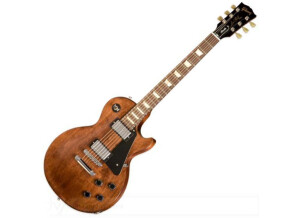
    This guitar surprised me right from the start. My brother was on vacation in NYC and I asked him to buy me a 60's Tribute 2016 T (P90) but he misunderstood my request and he brought me this one. I needed to say this because it wasn't on my plans at first... But as soon as I got my hands on it, it felt delicious. Mine is in Worn Brown and I'll tell you it's my favourite color! and looks better in person. It comes with a padded gig bag. The neck is rounded, but not the baseball bat, it's very comfortable. The worn finish gives you a warm feel to the touch. The minimalistic looks and the combination of chrome with this color looks stunning. Well that is just for the looks. The guitar has enough vintage appointments to mantain the attention of the most exigent purists. Also, I'm pleasantly surprised by Internet reviews, but that is only a confirmation of something that I can confirm by myself. The overall workmanship in this model is well-dedicated, and the action is precise, with no buzzing frets besides the low action. It is a modern weight relief, a big difference for the ones whom don't want their shoulders broken. Well let's get into the sound. This one brings the Burstbucker Pro's (the same pups of the Standard). I'm very familiar to the BB's and I really dig on that sound, I'm a blues, rock and prog musician and it sounds like a PAF should sound (I also love 57 classics) the BB pro's are a tad brighter and punchy than BB1 and BB2 and very similar to BB3 in intensity. They are alnico V and they have great articulation on a crunch amp. Clean sounds are really nice with a lot of definition and big fats well balanced sound. Great sustain (as most lesters) and you can obtain a great variety of sounds tweaking the volume and tone controls. They work smoothly. The most important for a guitar at this price range is how much it approaches to the "real deal" big brothers. Well this one really sounds like them and I'm sure in a blind test some experts would hesitate. As a guitarist and producer I live in two worlds (recording on a digital studio and gigging with classic rigs & vice versa) the Studio Faded goes nicely either way. With all that being said, I need to talk about my advice. PROS: Genuine Les Paul sound - Nice looks - Comfortable neck - Well balanced - Low cost - Amazing cost/quality ratio. Solid build. Robust electronics. CONS: The cons for this instrument are related to subjective things like the looks, some people don't like simple looks, and maybe lack of pearl logo on headstock, but that doesn't have to do with the soul of an instrument. FINAL THOUGHT: If you like Les Pauls I strongly recommend to try this one before spending much more in other models.

  • « A bang for the buck »

    Gibson Les Paul Custom Studio 2017 model in denim blue. I bought this guitar with the whole world being in a pandemia, so it is more difficult to try it before buying but there are enough stuff on youtube to have the idea of what I would have. So I ordered one and it came home in less than an hour. Because my main plan was buying a much higher end Les Paul, I finally decided to pull the trigger for this one because of the lower price. And I'm totally happy with it. It is a sturdy, solid instrument. Surprised of the weight also, it is on 8,8 lbs. (heavier than my studio faded). It is surprising of some of the specs, they are nice, for example the carved top and glued neck. Nicely balanced also. I felt attracted for this model between other things because it was a swamp ash and the wood grain is simply beautiful. And because it's not an everyday's wood for a Les Paul. Starting from the top, the tuners feel nice and steady, metallic mini buttons. Headstock is a thinner version of the famous open book. Tektoid nut feels steady also. It has a classic one-piece maple with a rosewood fretboard, it is slim taper so you can go fast with the neck. Soft to the touch, very comfortable. As I said it before it is a swamp ash body with 9-hole weight relief. But another cool feature is the scarfed heel. Super comfortable for the upper notes. The body has a nice nitro stain treatment. As for the pickups, they are DS A5 and DS A5+, they are quite spicy, you can do nice cleans, but I think it will shine through with od's or distorted tones though. 2 simple controls, volume & tone and the 3 way toggle switch will give you enough tones to rock for ages. Another cool feature is the ABR style bridge, I prefer this one over the nashville style. The gig bag is nice also and very comfortable. I strongly recommend this model because it is a great bang for the buck, you can do nice things with this instrument. PROS: - It is more than an entry level guitar, it is a solid instrument. - Nice rock tones, and good cleans also. - Sturdy, solid build. - Scarfed heel gives nice access to the upper frets. - Maple neck gives more snap to the sound and fat tones also. - Beautiful wood grain. - Minimalistic design gives it a nice value. CONS: - It doesn't come with block inlays, just the commom markers. - Some people wouldn't like the appearance of the guitar and the headstock. - Doesn't have the typical bells & whistles of a Les Paul.

  • « A Real 50s Les Paul for only €1,500! »

    Which amplifier and/or effect(s) do you use with this guitar? What playing and musical style(s) do you play with this guitar? I use it with a Kemper , a Rockerverb and a jcm 80 to play genres ranging from Classic rock to metal What are your thoughts on the workmanship, electronics, and finish of this instrument? How is its intonation? Does its neck, touch, feel, shape, etc complement your playing style? Workmanship quality is excellent, I know that a lot of Gibsons have finish problems with the lacquer, the body/neck junction and so on but mine was flawless when I unpacked it. It’s heavy, and I like it! The body is a non-weight relief (no hole in it, it’s 100% solid mahogany), the wood resonates even when not plugged, the neck is round and particularly comfortable to me. I’ve played ans owned quite a few Les Pauls (Epiphones, Studio, Classic, Standard...) and I must admit this one managed to surprise me for its playability and –most important– its sound and finish (I’ve been the unlucky owner of a 2008 Standard back in the days, the finish was awful). The guitar comes in a case with a fingerboard protection, a multifunctional tool to set it up, a strap, and a picture of the guitar out of the workshop, while it was being set up. A big flaw in my opinion is the lack of a poker chip (the cream-colored chip which is usually around the pickup selector). I had to buy one separately for 5 bucks, as without it I find Les Pauls ugly (granted, it’s only a question of taste). Tuners are Kluson Vintage models (they stay correctly in tune except for the G as usual, but that’s because of the way the Gibson head was designed, not a problem with the tuner). The Tune-o-Matic is an ABR, like on vintage Gibsons. Do clean, crunchy and distorted sounds adapt well to different microphone positions? Are the guitar's different frequencies and sounds well-balanced? All the sounds produced by this guitar are impressive. The pickups are a Burstucker 1 (neck) and 2 (bridge), both AlNiCo 2 pickups. In high gain, the sounds are clear and well-defined while retaining their fat character. Big, complex chords are intelligible, the guitar has an incredible CHUG and the sound retains a vintage – yet heavy-sounding – identity. Crunch sounds is this guitar’s biggest strength! It delivers an impressively dynamic sound, with very precise playing nuances and an outstanding sound definition (yeah, I know, I’m a walking ad! ^^ ) For a modern-vintage sound, the Burstbuckers really do an awesome job. Granted, there’s no split offered but the volume knob is very efficient and the Orange Drops capacitors as well as the 50s cabling allow to lose no highs or definition when lowering the volume. In clean sound, you get a very round, warm sound while the chords are still very articulated. Arpeggios resonate frankly, and the clean sound in itself is awesome if you like the Gibson sound signature (yeah, of course, it’s not a Strat clean played into a Twin). I love my cleans right on the verge of breking up, and the pickups allow to get from a deep clean to crunchy clean in a breeze. What are the pros and cons of this guitar? Pros: + its finish + THE sound!!!!! + the packaging (case, tools, strap and so on...) – you’ll rarely get as much from their competitors + non-weight relief + 50s pickups and cabling Cons : - the lack of a poker chip!!!!! (that small piece of plastic that surrounds the three-way pickup switch) - only three colors are available (mine is heritage cherry sunburst ) - that’s all, folks! Overall: This guitar is perfect for me. It’s not as fancy and modern as the new Standard models with their splits and various pickup options, but it’s much more true to the Les Paul SPIRIT. The Burstbuckers 1 & 2 are a nice surprise. I used to own Burstbucker Pros (I really hate them), so I expected a similar sound put these are PAFs with a slightly bigger output, way more versatile and with a more mids-oriented focus. The fact that it’s non-weight relief attracted me as I didn’t want a cheese-like guitar filled with holes (yeah, I DO understand that weight can be an issue and that weight relief doesn’t impact the wood’s resonance that much) In the end, I’ll say that this Les Paul is aimed at vintage fans, those who love heavy, fat-sounding guitars. To men a Les Paul of such a quality for such a low price is a real steal, so go ahead and get it, you won’t regret it!

  • « GIBSON CHET ATKINS SOLID BODY ACOUSTIC ELECTRIC GUITAR »

    This is a solid body guitar that sounds like an acoustic guitar. It works well for any playing style. The workmanship is impeccable. I have rather small hands and the neck is what I would consider mid-sized. It has an active pickup located in the bridge. The EQ consists of volume and tone control. This is one of my favorite guitars due to the nature of the sound, unlike any other guitar. It works well with any music genre. Unfortunately, they are no longer made as Chet Atkins left Gibson shortly thereafter and returned to Gretsch.